“It was the vertigo. The dulling, irresistible desire to fall. Vertigo could also be called the intoxication of weakness. One realizes one’s weakness and instead of resisting it, one wants to surrender to it.”
M. Kundera
Table of Contents
- Introduction
- Itinerary in pills
- Day 1: From Danakil depression to Makele
- Day 2: Abuna Yemata Guh
- Day 3: Mariam Korkor and Daniel Korkor
- Conclusions
Introduction
Having had a taste of all the continents, I can say that Africa is the one that, more than any other, has so far offered me a different perspective from which to observe the world, as well as having given me the most interesting insights into knowing myself better.
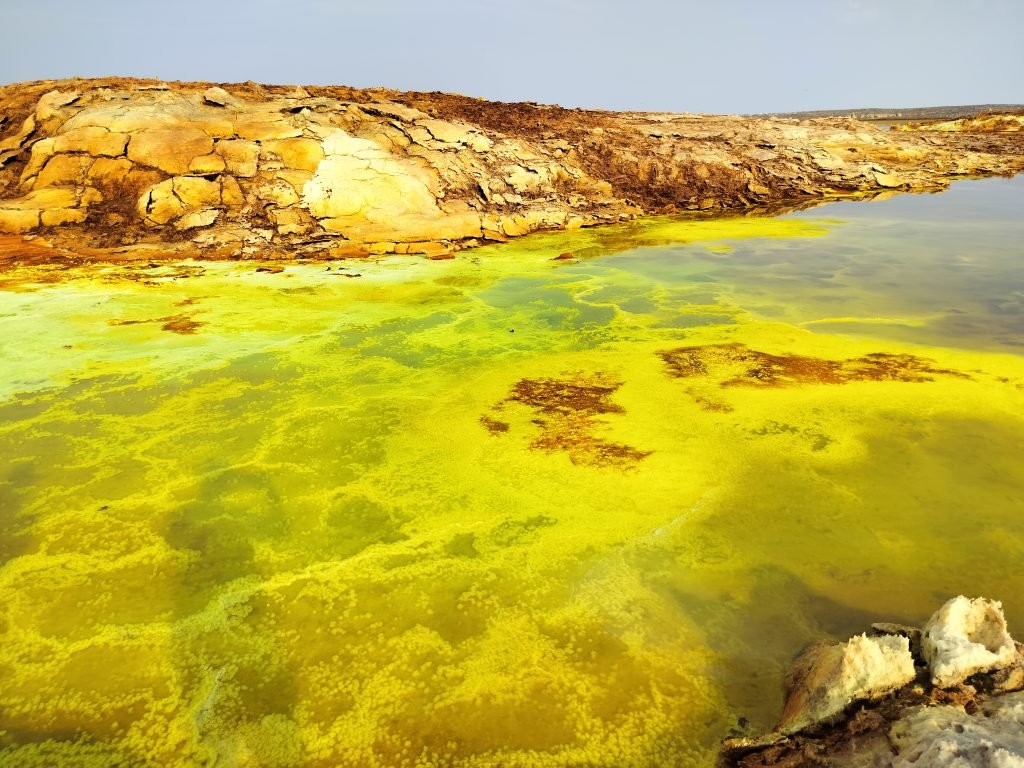
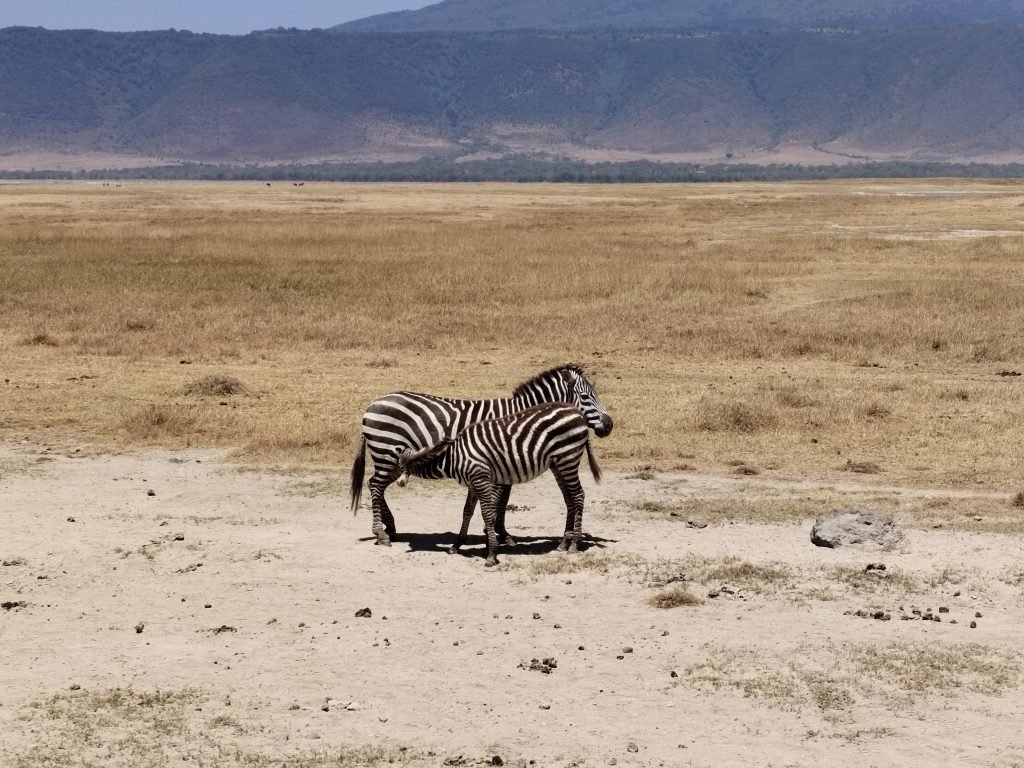
I did several things in Africa that I never thought I would do: sleeping in a tent within walking distance of a pride of lions, checking under the bed I was sleeping in for poisonous snakes, conversing about this and that with a Maasai warrior, visiting the most inhospitable place in the world. The first three activities mentioned were kindly offered to me by my trip to Tanzania, while the last one was part of my trip to Danakil depression.
Speaking of Ethiopia, Danakil is not the only region that has given me magical emotions. For example, among the unthinkable things I did in the Tigray region, which I tell you about in the article you are reading, I cannot fail to mention visiting what is regarded as the most inaccessible church in the world. But let us go in order.
The Tigray region was the second leg of my trip to Ethiopia, along with Danakil (previous leg) and Amhara (next leg). I set out in November 2024, choosing one of the most climatically advisable months. This period is generally characterized by no rainfall and rather mild temperatures, which however vary from region to region. In Tigray, the temperature hovered around 25 degrees during the day, ideal for some medium trekking.
Itinerary in pills
⭐ Fun scale: 9/10
🏛️ Not to miss: Abuna Yemata Guh, Daniel Korkor e Mariam Korkor
⏱️ Duration: 2 days
👣 Mood: Nature and adventure 80%; art and culture 20%
💰 2 days guided tour: 300 USD/pp, with all inclusions
💡 Keep in mind: Abuna Yemata Guh is considered the most inaccessible church in the world. The climb is not suitable for those who suffer from vertigo.
🎟️ Tip: A guide isn’t mandatory, but I would strongly advise you to book a local agency to accompany you.
From the Afar region, it is relatively easy to get to Tigray and particularly to the town of Makele, Ethiopia’s second most important city and the starting point for Gheralta tours. The main attractions in the Gheralta area are some ancient rock churches, set in spectacular natural locations, which provide opportunities for beautiful treks. You can choose different options depending on your time, from as little as one day to over a week. I selected the two-day tour, which allows you to visit the oldest rock churches, set in the context of the most spectacular treks in the area (or so the guides told me).
Below is the itinerary in broad strokes.
| Day | Itinerary | Pernottamento |
|---|---|---|
| 1 | Afar region – Makele | Makele |
| 2 | Makele – Abuna Yemata – Hawzen | Hawzen |
| 3 | Hawzen – Mariam Korkor, flight MQX-ADD in the evening | Addis Abeba |
Day 1: From Danakil depression to Makele
As mentioned, the starting point of the tour is the town of Makele, in which I arrive by car directly from Danakil. Makele is a very large town, and as soon as you enter its walls you can find several agencies that organize tours of Gheralta. I had already planned everything with ETT, so I did not need them, but know that in case of need you will have no problem finding someone to accompany you even at the last moment. Arriving in the evening, I am taken directly to the hotel. It is a 4-star hotel that at first glance looks wow to me, however I take my well-deserved post-Danakil shower in freezing water (and in Makele the outside temperature is not as high as in Danakil, since we are over 2000 meters!) and consume the worst meal of the entire trip at its in-house restaurant.
Day 2: Abuna Yemata Guh
I meet my new driver around 8 a.m., after a breakfast of a very spicy onion omelet that gets my day off to a less than optimal start. As we make our way to Abuna Yemata, the highlight destination of the day, I discover that, for reasons still unknown to me, ETT had changed my itinerary, planning to go to Axum in the evening instead of staying in the area, and then departing from there. However, we reestablish the situation without any particular problems, so in the end we decide to follow the original plan, while ETT naturally takes charge of changing my flight. In addition to the driver, I am also accompanied by a young local guide, a boy named Fisseha. On these two days, I will have no other traveling companions.
The rock church of Abuna Yemata is not only the most relevant stop of the day, but also the one of the entire Tigray tour. Because of its difficult accessibility, it is considered the most inaccessible church in the whole world. In order to visit it, in fact, it is necessary first to set out on a rather steep climb (about 350 meters of elevation gain, doable in about half an hour), then climb up a rock face about fifteen meters high by holding on to small cracks in the rocks, and finally walk the last 10 meters on the edge of a cliff only about fifty centimeters wide, without any protection. The climbing and the last meters on the cliff are done barefoot, out of respect for the sacredness of the place. Don’t be too scared however, in the end it is all doable, also because there are some people who help during the climbing (honestly, alone I would never have managed it), although for those who suffer from vertigo it can be impassable, especially the last part. In any case, if I made it, it means you can make it too. Below is a preview of what to expect.
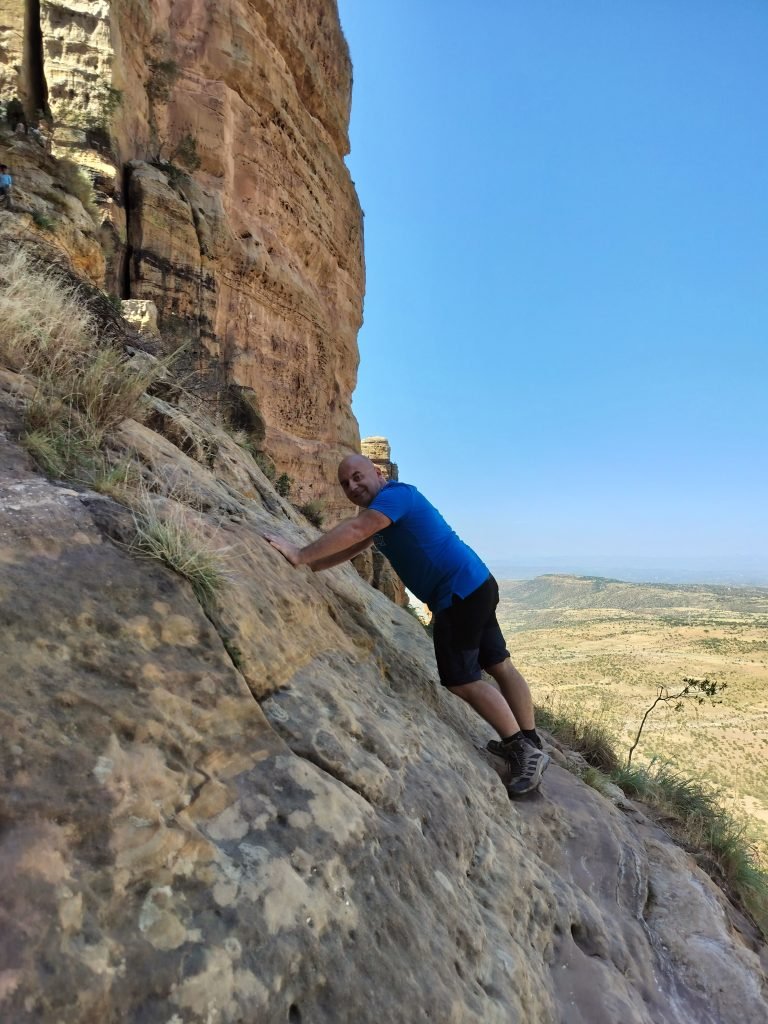
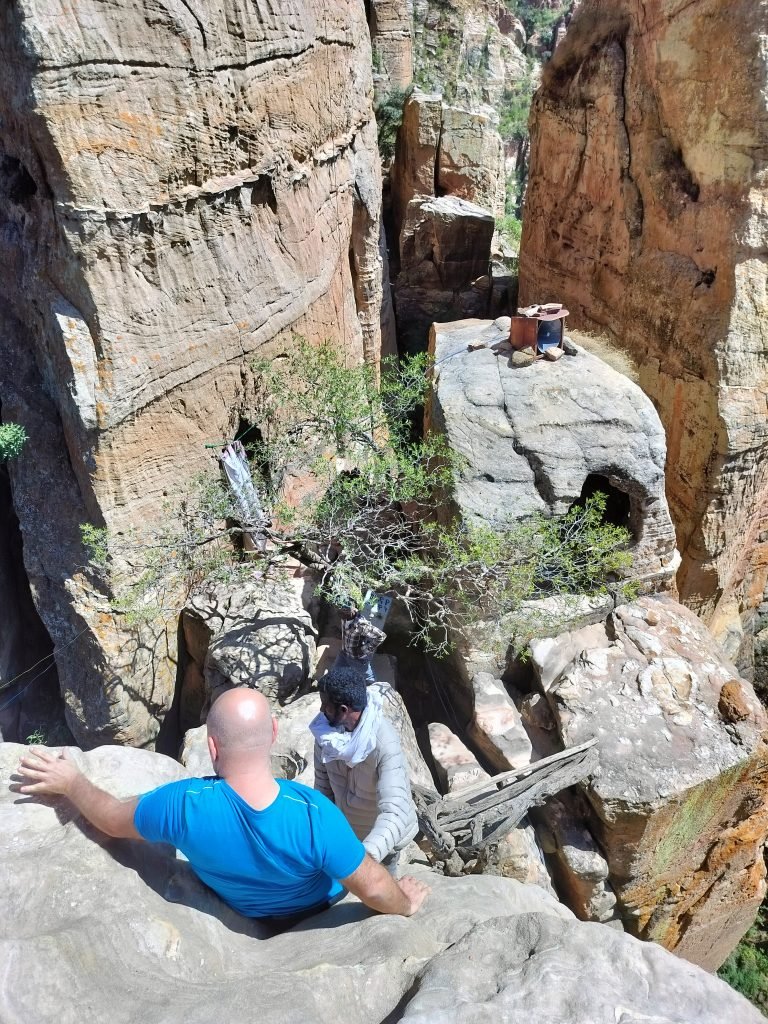
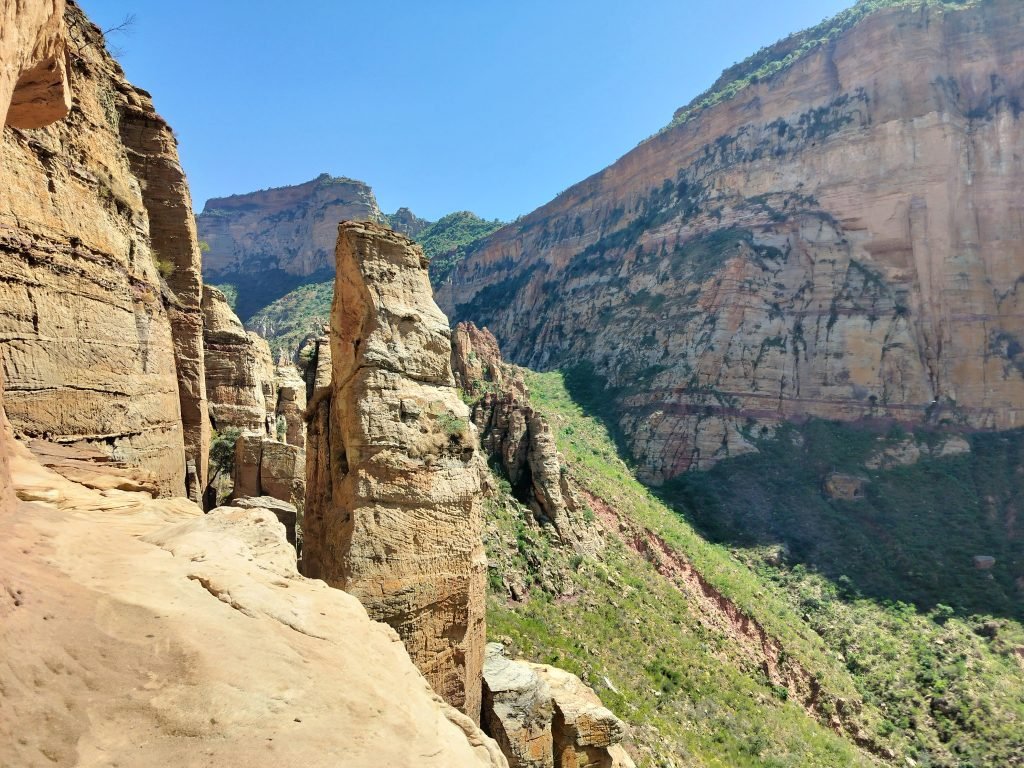
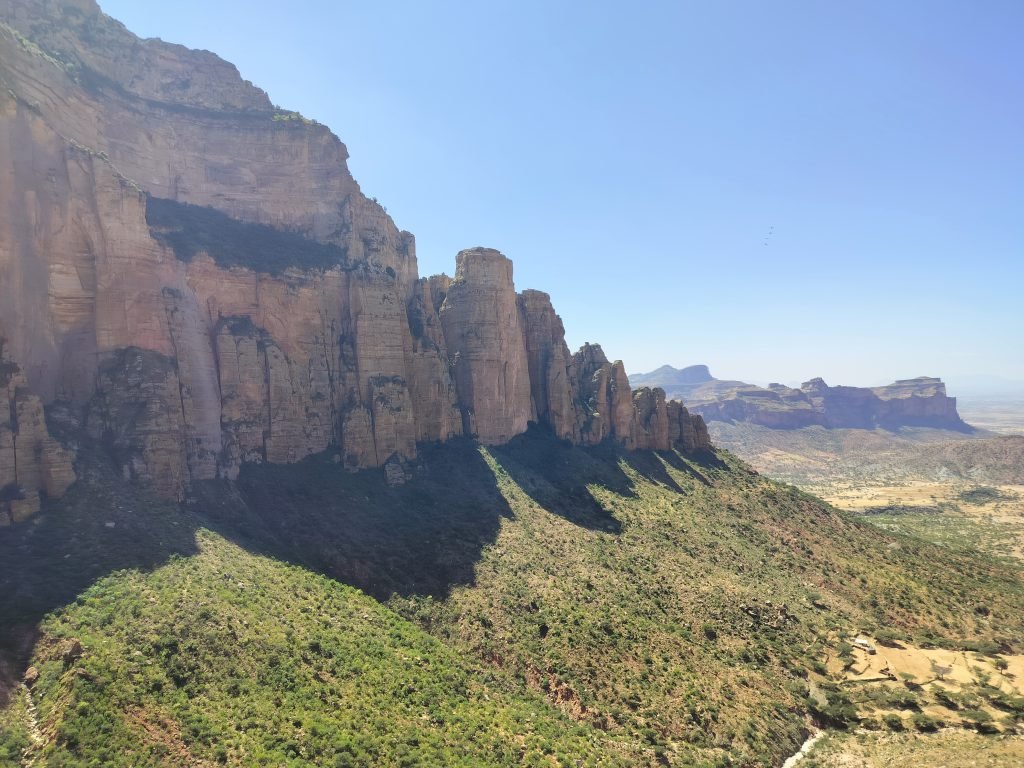
The drive from Makele to Abuna Yemata is quite picturesque and becomes more and more spectacular as you approach your destination. The landscape is vaguely reminiscent of some US parks. There is plenty of time to take a few photos.
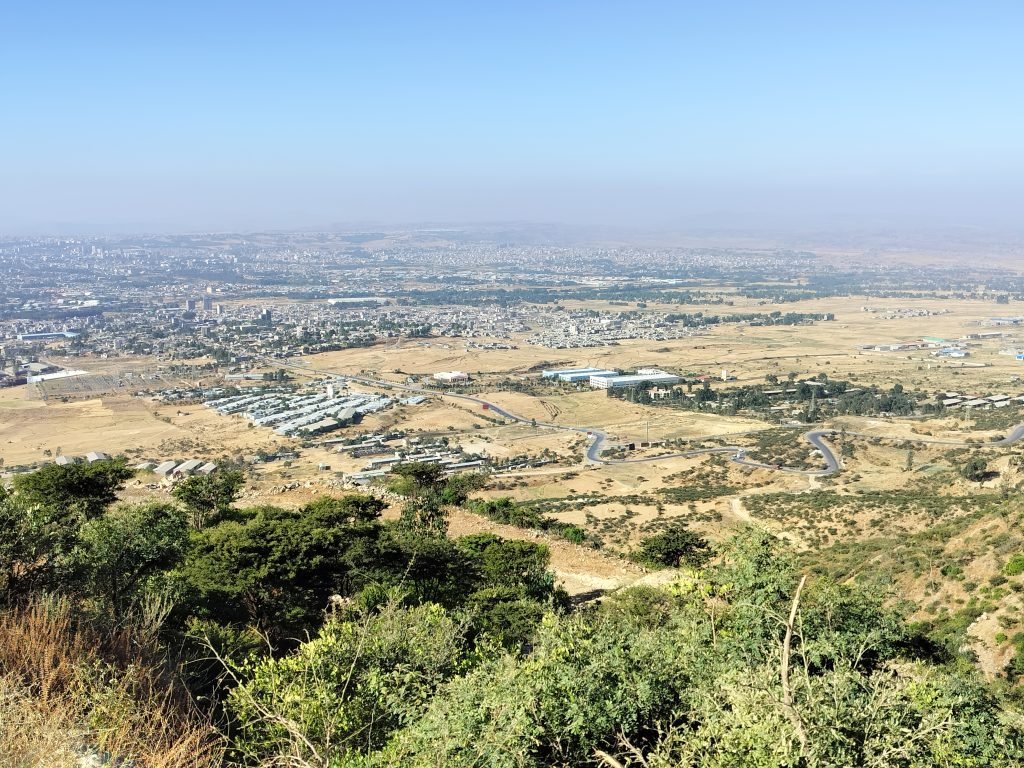
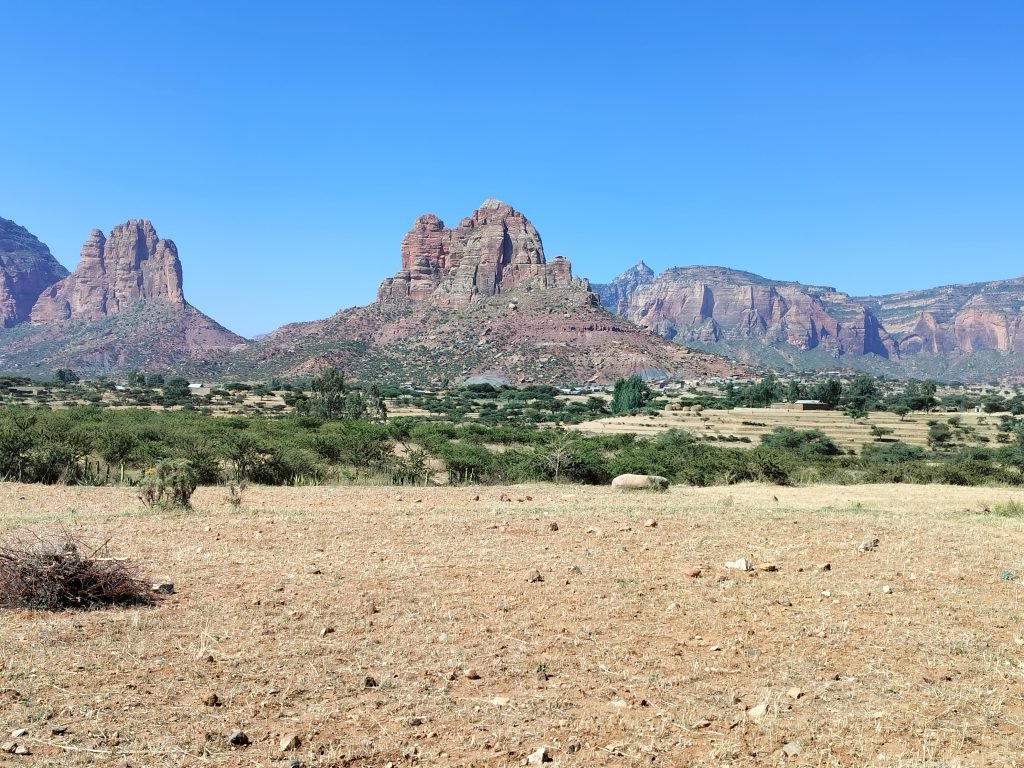
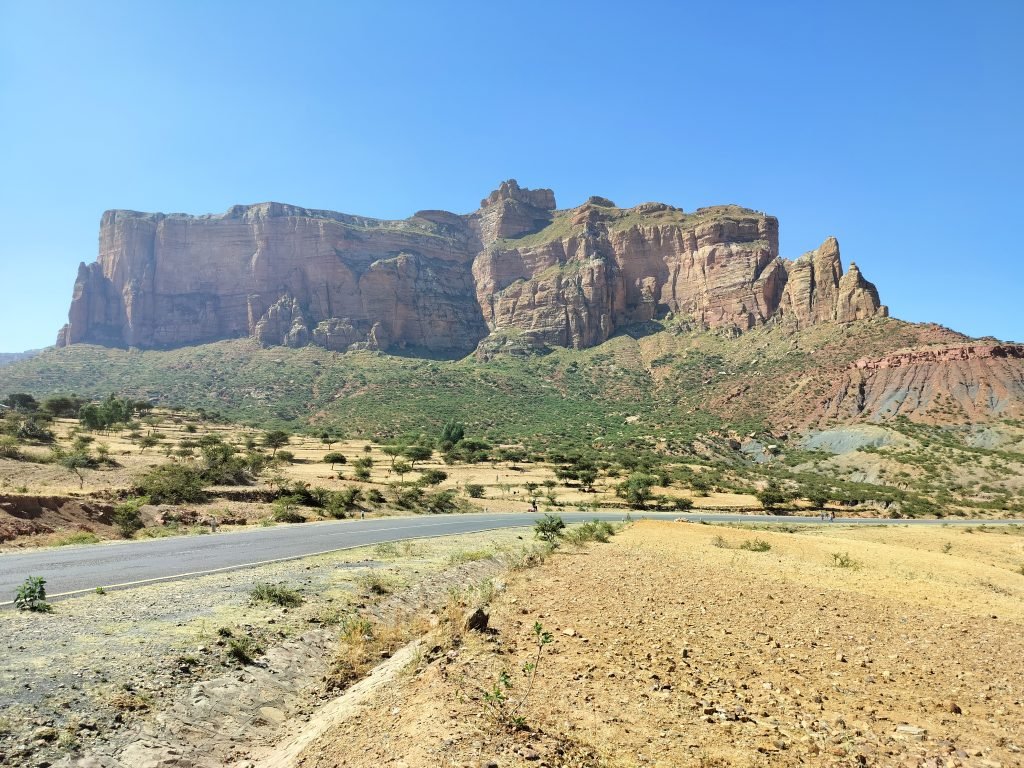
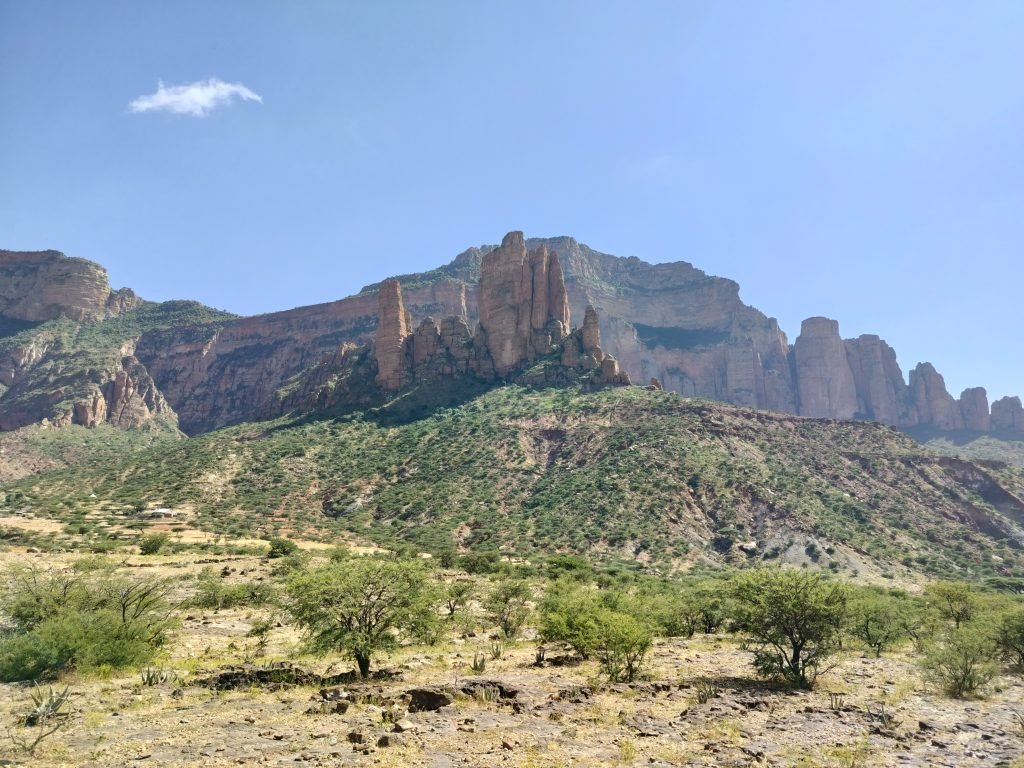
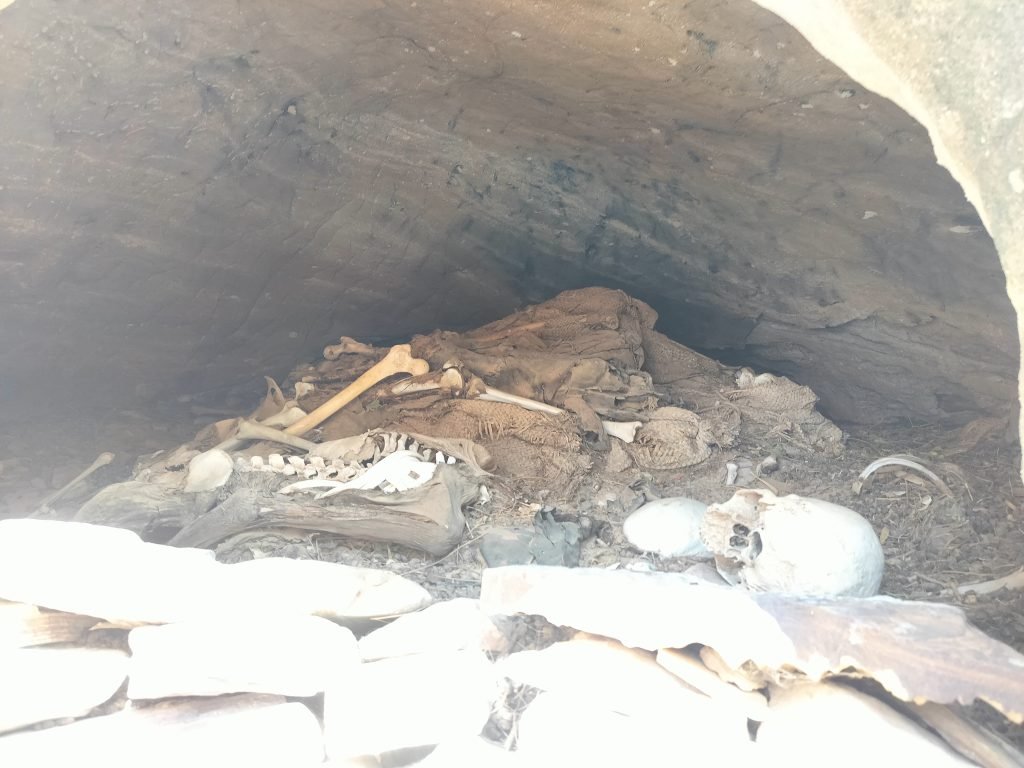
Upon arriving at the parking lot, the climb immediately begins, during which we also come across a burrow containing the remains of people who did not make it. Just kidding, come on, some human remains are indeed there, but that’s not the reason.
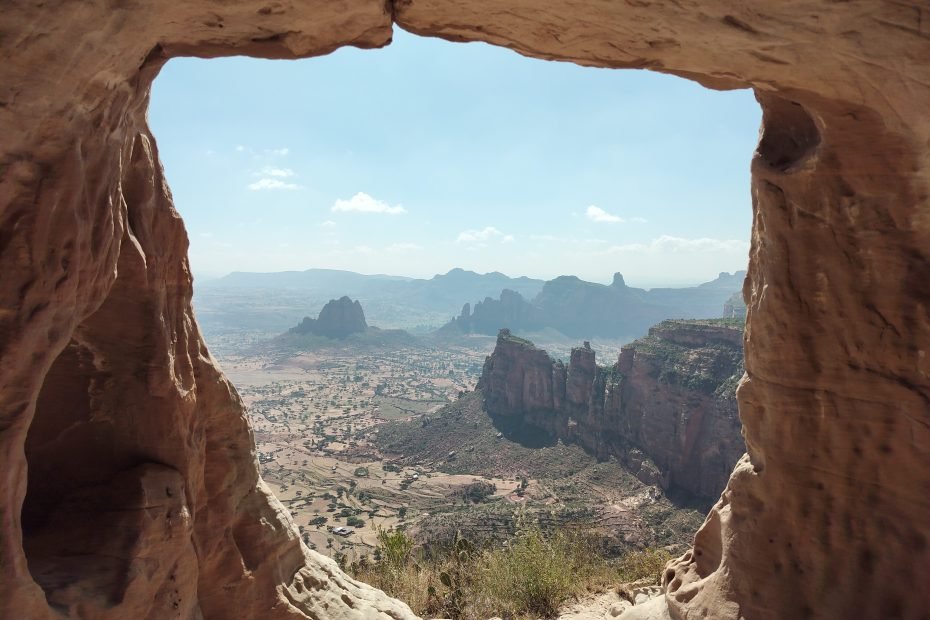
Once at the top, the spectacle one witnesses repays all the effort of getting there. The view is truly breathtaking, especially if you dare to look down!
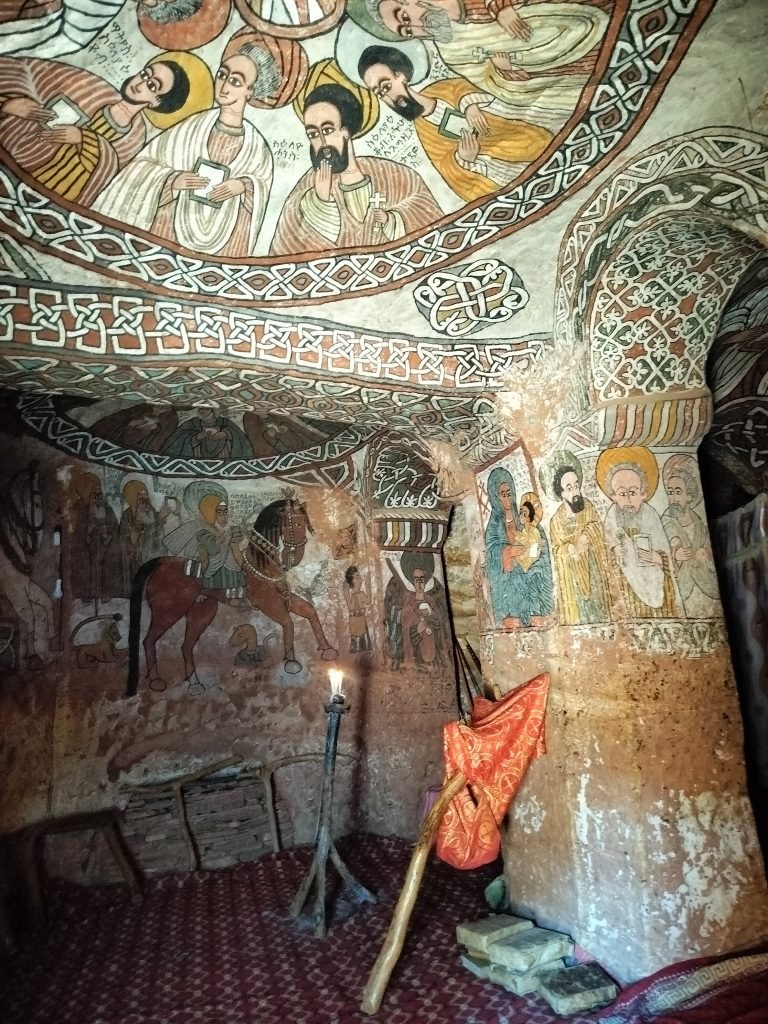
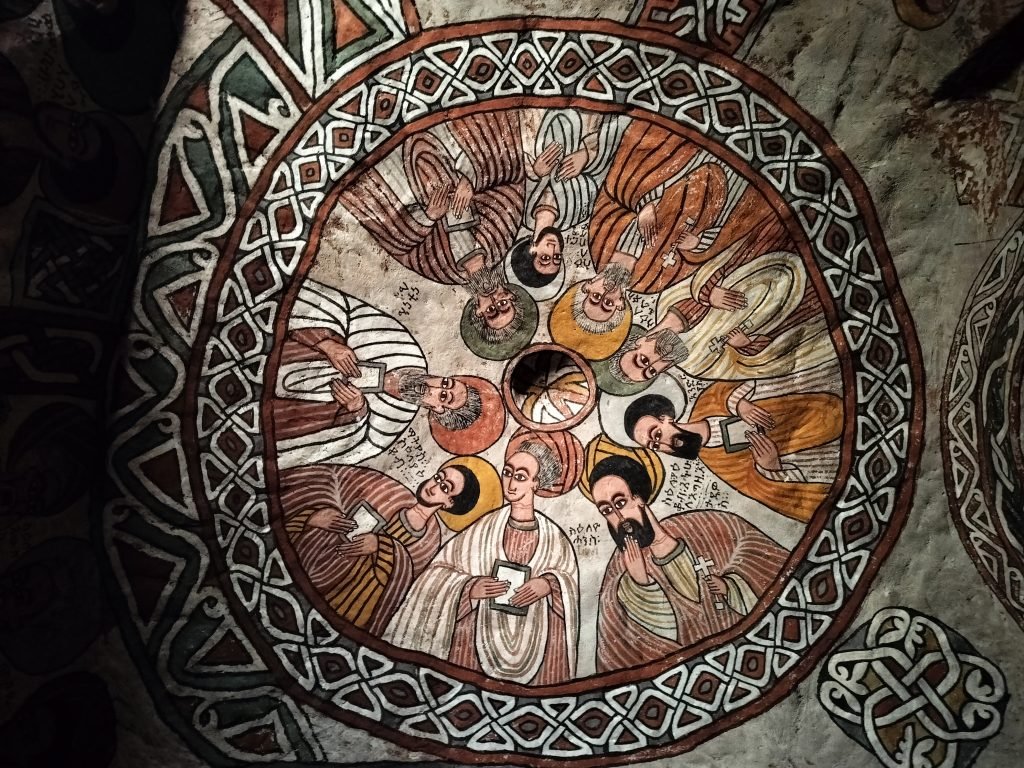
The rock church of Abuna Yemata Guh is very unique. It dates back to the sixth century AD, nevertheless it has preserved its original appearance without any restoration, having been carved out in a spot inaccessible to any atmospheric phenomena. It is dedicated to Abuna Yemata, who according to tradition is considered to be one of the 9 saints who originated between Rome, Constantinople and Syria and lived between the fifth and sixth centuries AD. The church is very small, and scenes from the Old and New Testaments are frescoed on the walls. The 12 disciples are also portrayed, which I mention because during the guide’s explanation I won a bet against him, as he wrongly claimed that Paul was among them (I gloss over the fact that the priest who was there also claimed the same thing).
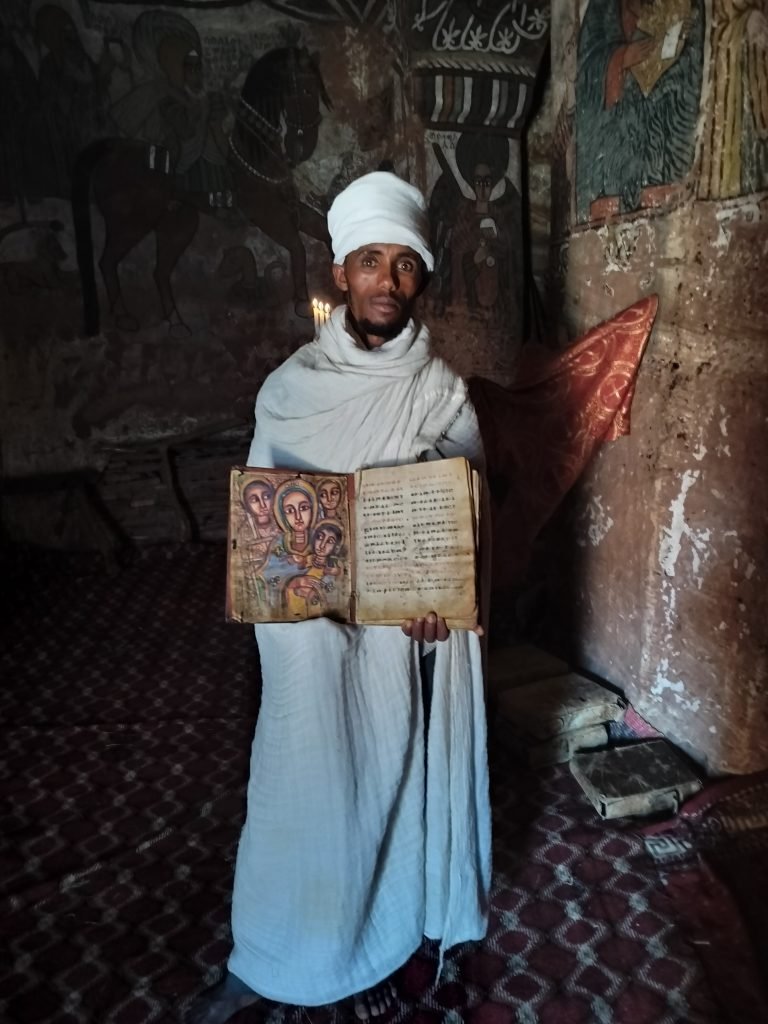
Having finished visiting the church and taking pictures, we return to the parking lot. The descent is less challenging than the ascent, although I feared otherwise. In the end it is enough to descend as a child would, that is, leaning on one’s bottom.
Arriving at the parking lot around lunchtime, the visit lasted the entire first part of the day. We then make our way to Hawzen, a town where the lunch break is also scheduled. Before stopping at the restaurant, we make a brief but intense stop at the market, which is a bit as expected: goods laid out on the ground (including food), garbage everywhere and people passing by without particularly caring.
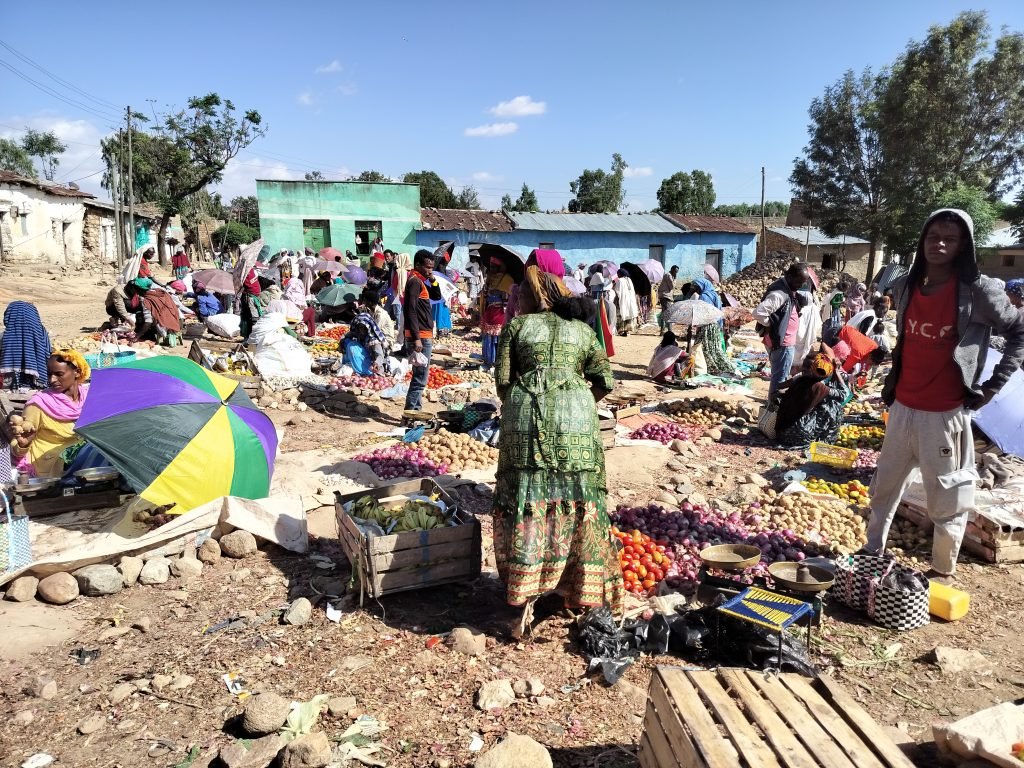
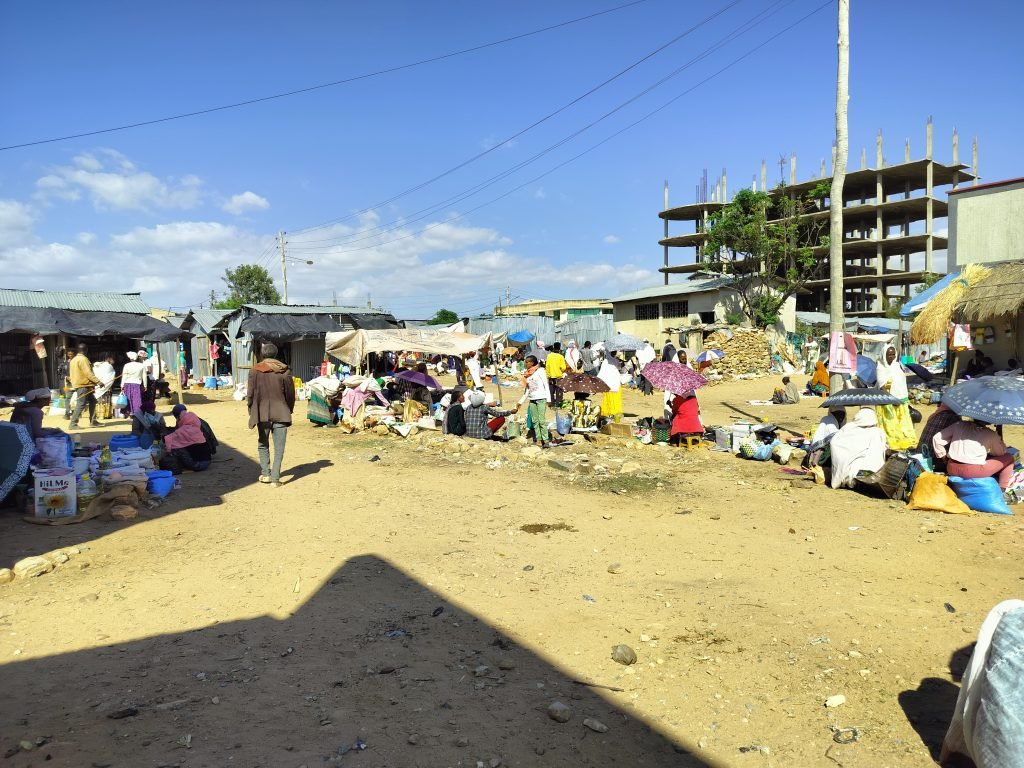
After refreshing ourselves, we head to a spot not far from town, from which a second short hike starts. Although the surrounding landscape is absolutely worthwhile, I would characterize the hike as filler, in the sense that it is more meant to fill in the remaining part of the day, but without adding anything special. During the hike, we also pass by another rock church, even older than Abuna Yemata, but no longer open.
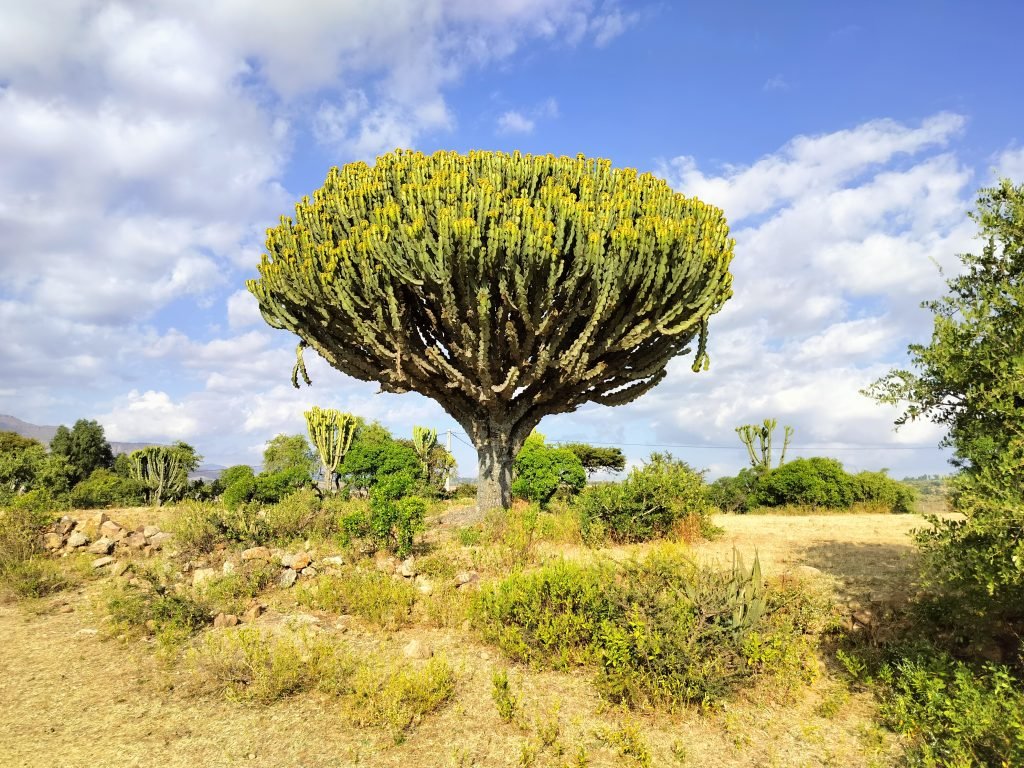
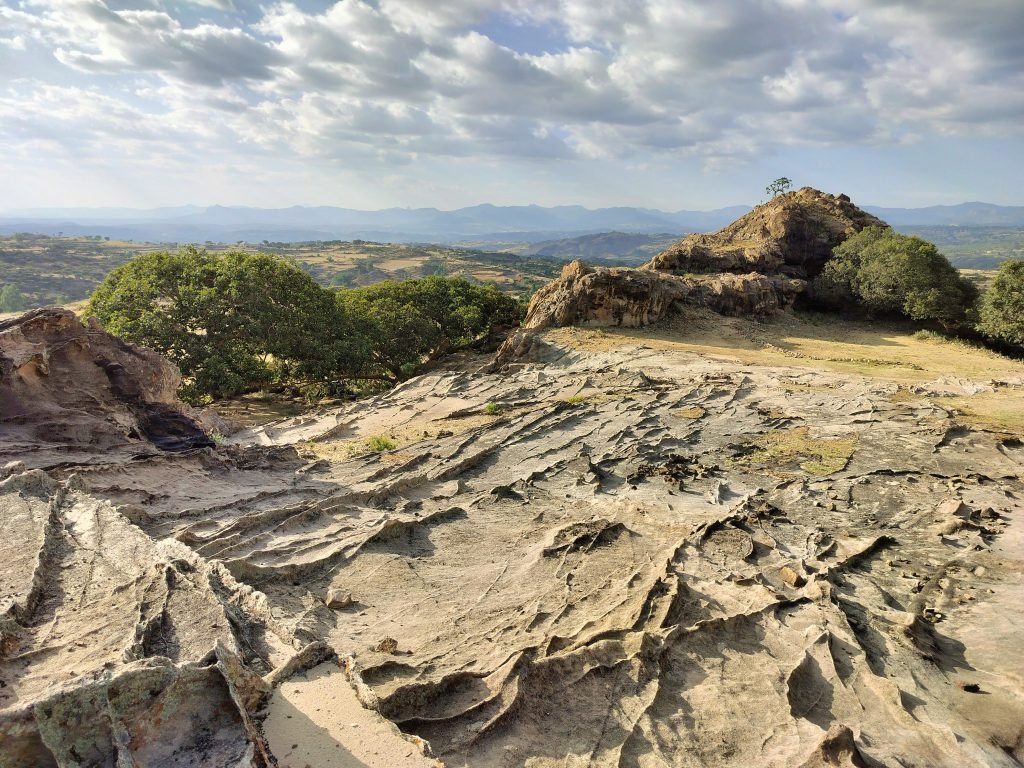
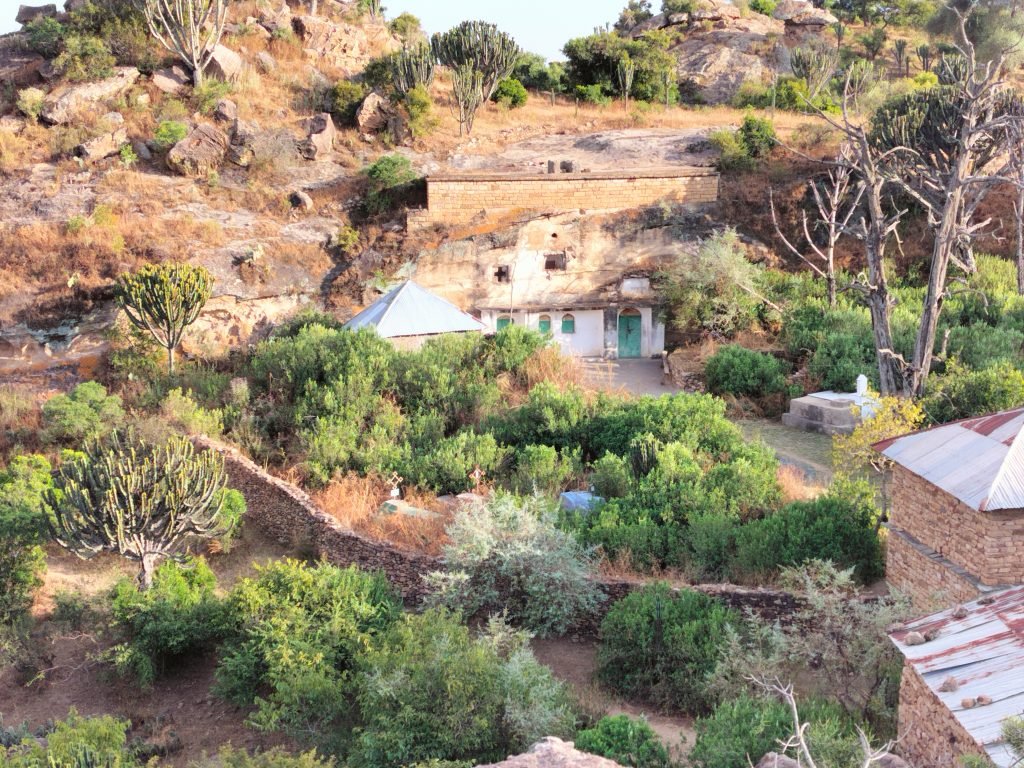
At the end of this second excursion, we head to the hotel, a rather simple place very close to the restaurant. Little curiosity: the connection in the hotel is poor, so I ask the staff if I can leave to go to the restaurant located 20 meters away to take advantage of their network, but I am strongly advised against doing so because it was already dark and could be dangerous.
Day 3: Mariam Korkor and Daniel Korkor
We start the day around 8 a.m., heading straight for the starting point of the trek to the other two most important rock churches in Gheralta, namely Mariam Korkor and Daniel Korkor. The two churches are not far from Abuna Yemata, but the route to get there is certainly less dangerous, although still not without some risk. The scenery observed during the ascent is different from that of the previous day, but equally spectacular.
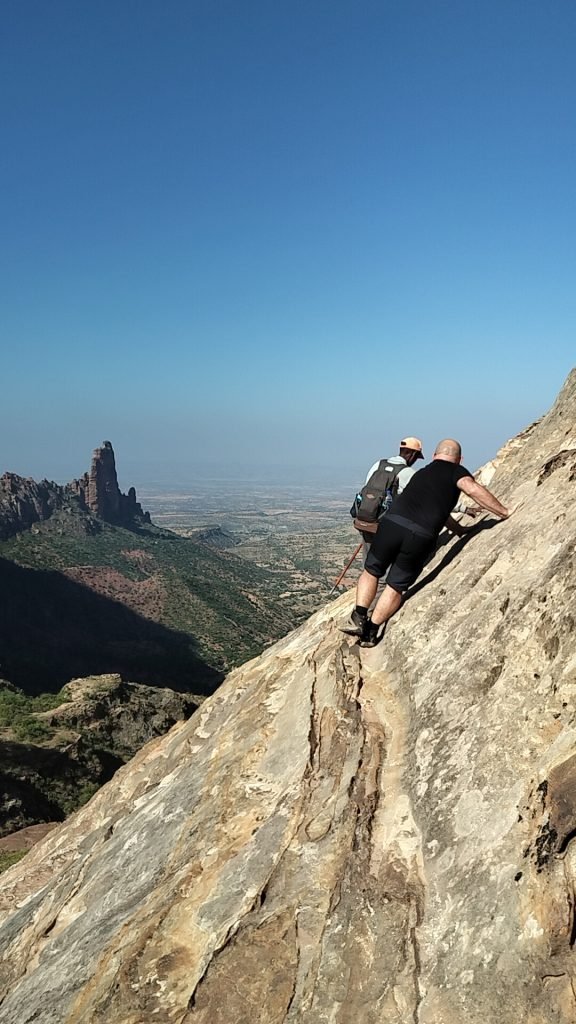
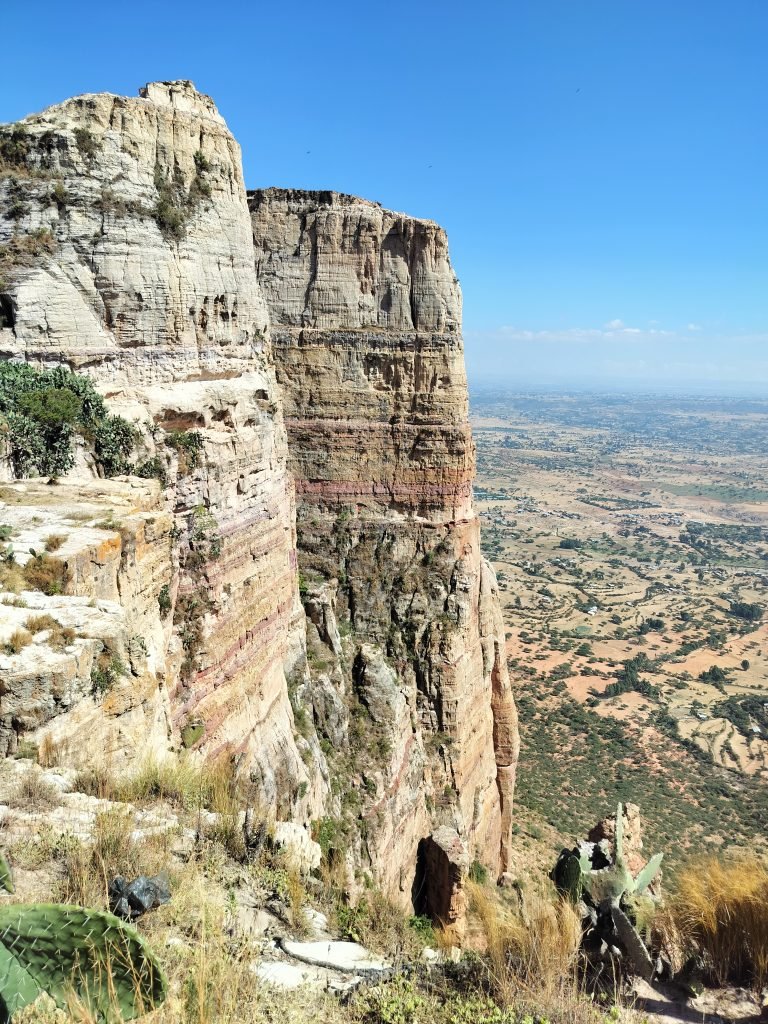

When we reach the top, we first visit Daniel Korkor Church, which is accessed through a tiny little door. The church is really tiny, but the visit is interesting, although the frescoes are not well preserved.
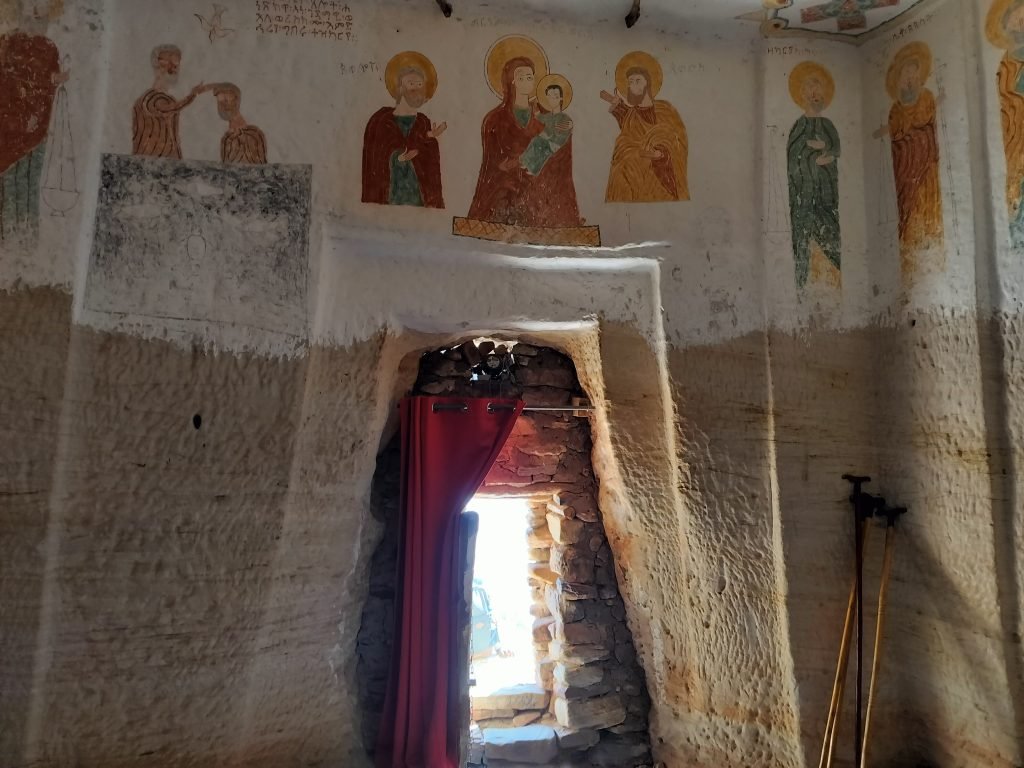
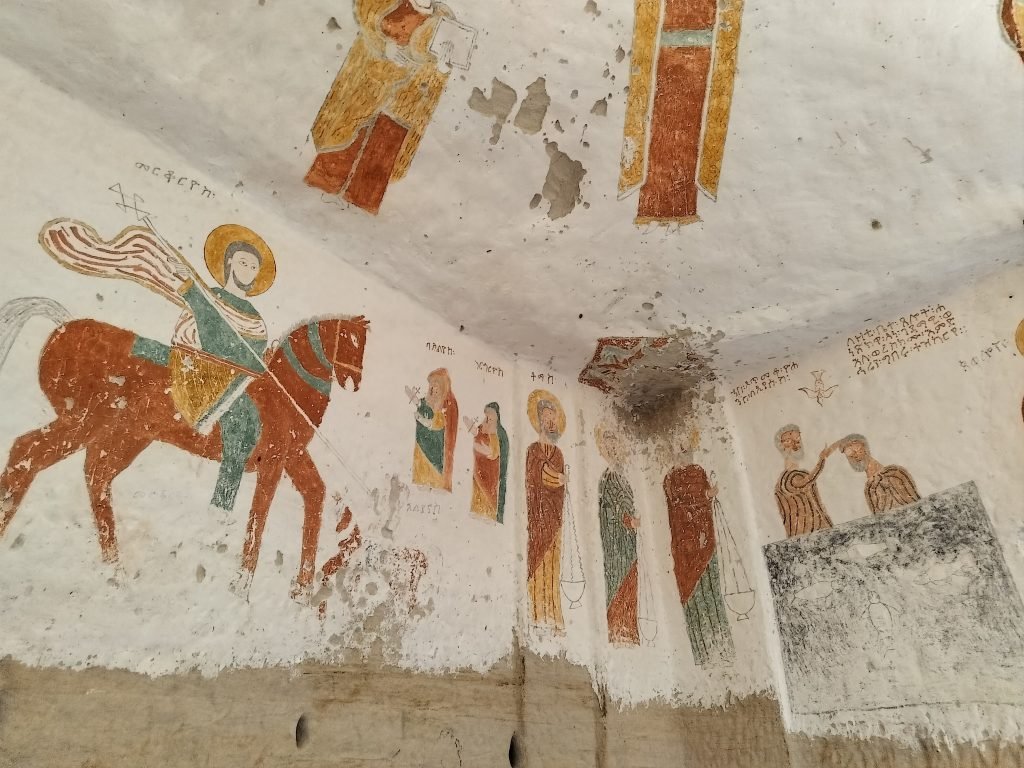
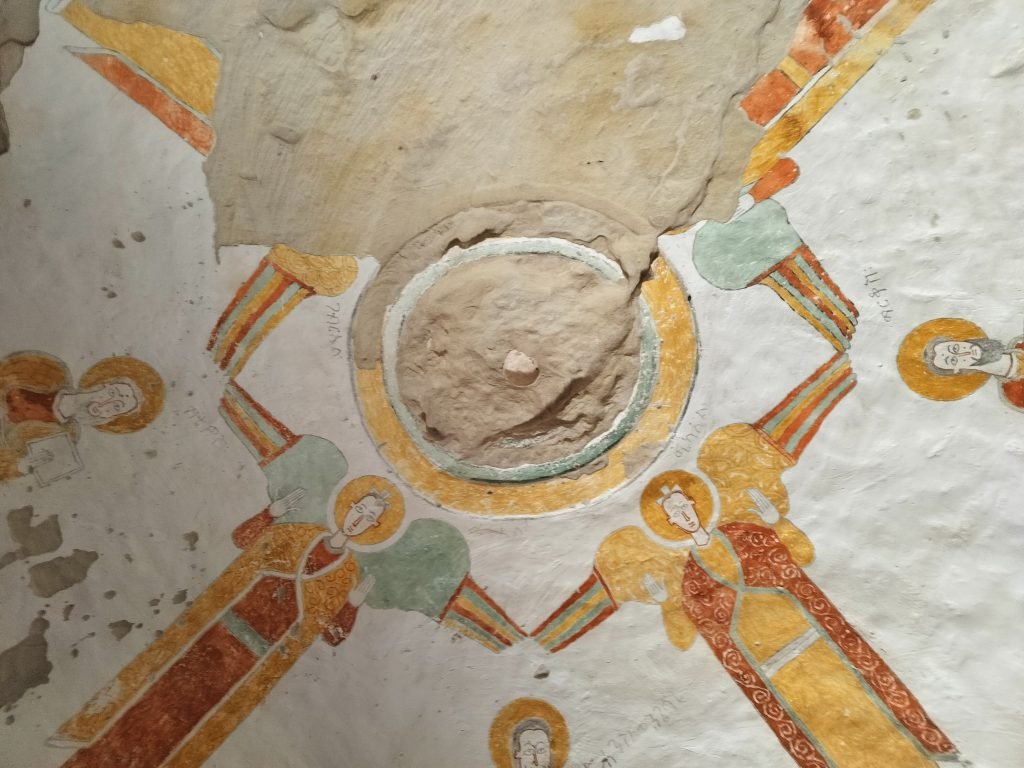
Immediately after finishing the visit of Daniel Korkor, we begin that of Mariam Korkor, located a few meters away. The church is also very small and contains, according to legend, a copy of the Ark of the Covenant, of course not accessible to us. The lighting in the church is very dim, but we are able to see the frescoes a little, partly because of the guide’s directions.
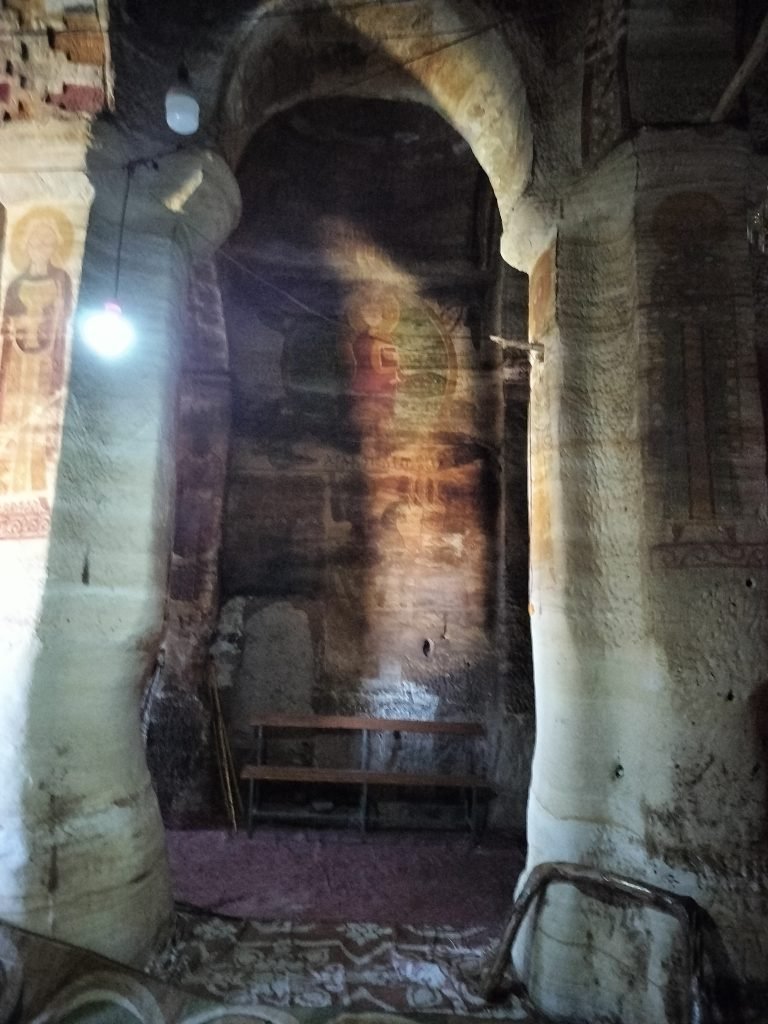
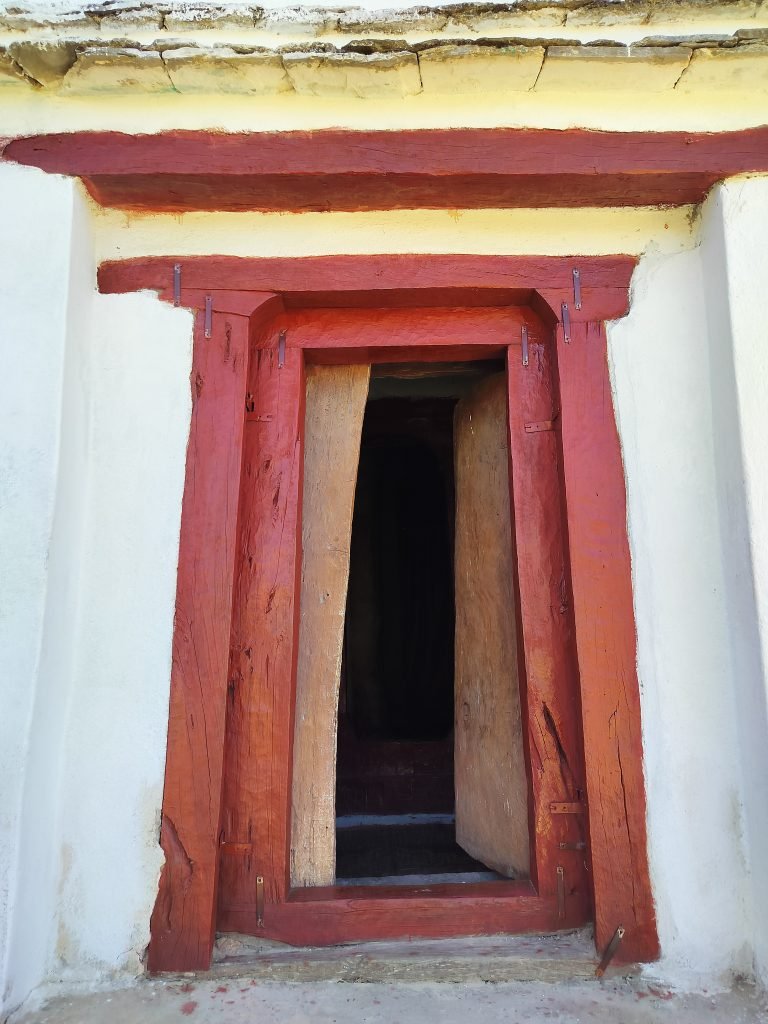
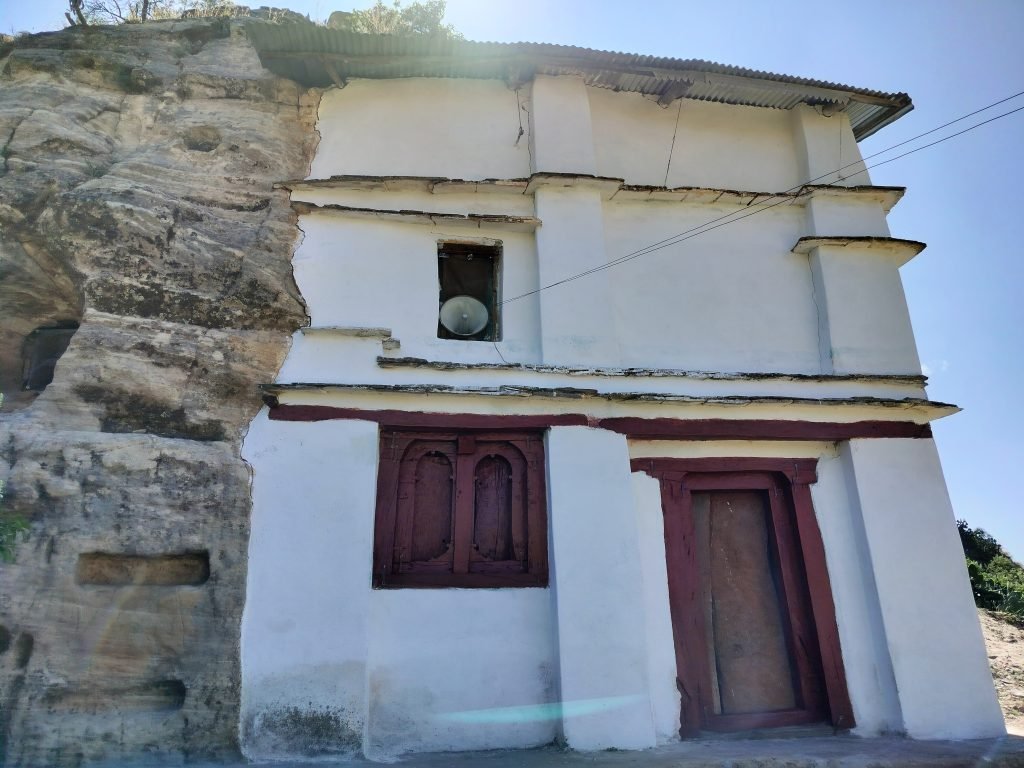
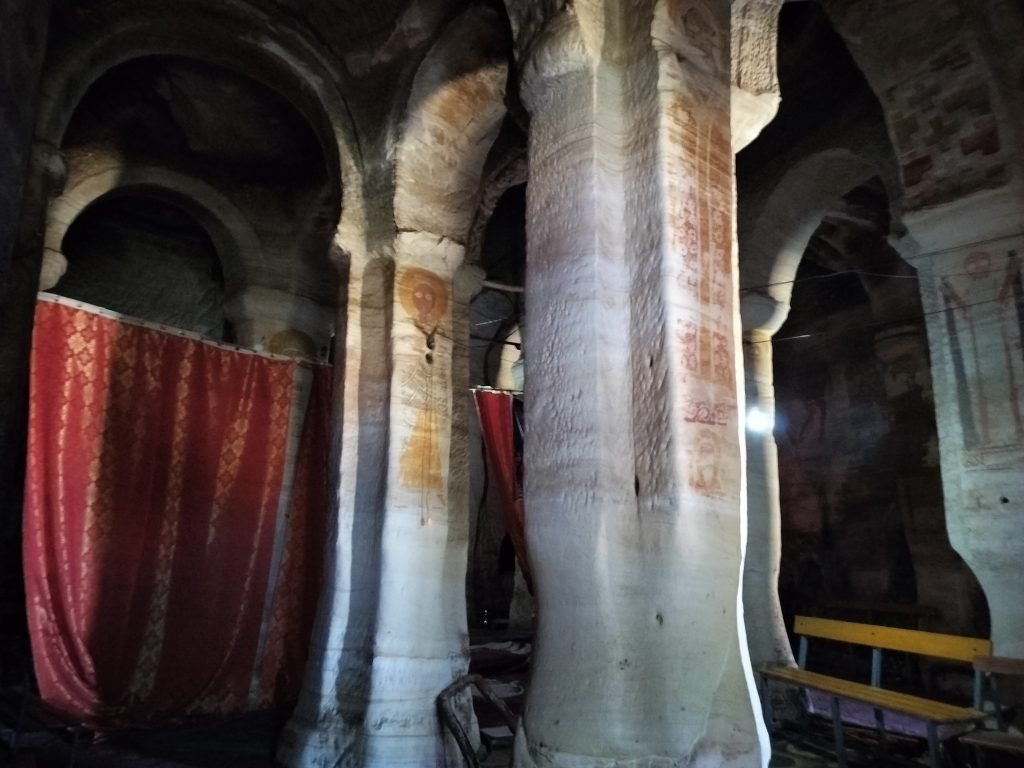
After visiting Mariam Korkor, the descent to the parking lot begins directly, at which we arrive around lunchtime. Afterwards, we make our way to Makele Airport (MQX) to catch our domestic flight to Addis Ababa, where we land in the evening to end the day.
Conclusions
After Danakil depression, which is out of category, my adventure in Tigray was the best part of the Ethiopia trip. In addition to the truly spectacular landscapes, being on my own gave me the opportunity to learn more about the local culture and traditions, aided by my talkative, passionate and entertaining guides.
Having to select the podium of the best attractions, I would say:
- The landscape as seen from Abuna Yemata Church
- The landscape as seen from Daniel Korkor
- The church of Abuna Yemata
The rock church tour cost 300 USD, including overnight stay. Meals were separate, but the cost to add is absolutely negligible.
Going back to the guides, I promised Fisseha that I would sponsor his small agency, which is called Gheralta Expeditions. If you are interested, please write to me before contacting him, my friends are entitled to a discount.
Related articles: