

“I was eight years old
And running with a dime in my hand
To the bus stop to pick
Up a paper for my old man
I’d sit on his lap in that big old Buick
And steer as we drove through town
He’d tousle my hair
And say, “Son, take a good look around”
This is your hometown”My hometown, B. Springsteen
Table of Contents
- Introduction
- Proposed itinerary (12 days on the road)
- Day 1: Cosenza tirrenica: San Nicola Arcella, Paola Sanctuary, Cosenza
- Day 2: Vibo Valentia – Pizzo and Briatico
- Day 3: Vibo Valentia – Zambrone and Parghelia
- Day 4: Vibo Valentia – Tropea and Santa Domenica di Ricadi
- Day 5: Vibo Valentia – Capo Vaticano
- Day 6: Scilla and Reggio Calabria
- Day 7: Reggio Calabria – Aspromonte National Park
- Day 8: Catanzaro ionica – Soverato, Caminia, Copanello
- Day 9: Crotone – Le Castella, Spiagge rosse, Capo Colonna
- Day 10: Sila National Park
- Day 11: Pollino National Park, Morano, Raganello Gorges
- Day 12: Cosenza Ionica
- Conclusions
Introduction
Although the material I collected before starting this blog allows me to tell about travel experiences in every continent, I will dedicate my first effort to Calabria, my homeland. This is due to the fact that, although my passion for travel has taken me (and I hope will continue to take me) to destinations furthest from home, my roots will always be in a small town called Rende, where I grew up and became the person that in the end I am happy to be, even if, seen up close, none of us is actually normal. I entrusted the incipit of this article to one of my favorite musicians, who, in the verses of “My Hometown”, tells of a country worn down by economic crisis and general insecurity, which leads him to leave in search of better fortunes. A situation similar to that experienced by so many Calabrians, especially among the younger generation, forced despite themselves to come to terms with a territory too often abandoned to its fate. One could talk a lot about what makes life in Calabria not always easy, however I will spare you thoughts that are generally beyond the scope of this blog, so in this article you will find only a few insights into how much beauty my land offers, which may be battered by so many problems, but remains a beautiful place full of untapped potential.
I will therefore focus on the beauty of the area, dwelling in particular on the natural attractions, which, in my opinion, represent the most beautiful part to visit for those arriving from outside the region, and proposing an itinerary that could allow you to visit more or less everything in reasonable time. Calabria possesses about 800 km of coastline and is one of the few regions to overlook both the Tyrrhenian and Ionian Seas, hosting splendid landscapes on both sides, of which I will try to indicate the most worthy locations. I will mention something of the mountainous areas, divided between Pollino, Aspromonte and Sila, and a few of the many artistic attractions perched among the various towns in the five provinces.
On the other hand, I will not list all the countless typical dishes, nor talk about why bergamot grows only in Calabria, or why for a self-respecting Calabrese sausage is not eatable if produced further north than Basilicata, nor will I tell of the warmth of the people and their natural inclination to be welcoming. I will only say that I jealously guard the reasons why, despite having lived more than a half of my life outside the regional borders, my closest affections come almost entirely from there.
Proposed itinerary (12 days on the road)
As is the case almost everywhere, a proper visit of Calabria would several days, also because many realities more than seen should be experienced, and for that time is never enough. With the aforementioned objective of giving some indication of the locations that I consider to be most attractive, and trying to formulate a hypothetical itinerary for those who would like to explore the beauty of the region through an on-the-road trip, I will start from the hypothesis of starting the trip from the border between Calabria and the Tyrrhenian coast of Basilicata, following a horseshoe-shaped trajectory with a few detours inland, imagining the transfers between the various stops by car. In fact, Calabrian roads are quite notorious for poor connections, as well as not always optimal road surfaces. I will also assume that at most two beaches per day might be visited, and that one generally makes good use of the available time, also by strategically choosing the locations in which to stay overnight. Below is the summary that I will follow as an outline in the following paragraphs:
| Day | Zone | Attractions | km/driving time | Overnight |
|---|---|---|---|---|
| 1 | Cosenza tirrenica | Praia and San Nicola Arcella, Paola Sanctuary, Cosenza | 100/2h | Cosenza |
| 2 | Vibo Valentia | Pizzo (Piedigrotta), Briatico (Punta Safò) | 120/1h45m | Tropea |
| 3 | Vibo Valentia | Zambrone (Paradiso del Sub), Parghelia (Michelino) | 20/40m (a/r) | Tropea |
| 4 | Vibo Valentia | Tropea and Santa Domenica di Ricadi (baia di Riaci) | 10/20m (a/r) | Tropea |
| 5 | Vibo Valentia | Capo Vaticano (Praia i focu and Grotticelle) | 25/45m (a/r) | Tropea |
| 6 | Reggio Calabria | Scilla and Reggio Calabria | 115/1h45m | Scilla o Reggio C |
| 7 | Reggio Calabria | Aspromonte National Park | 55/1h45m (a/r) | Reggio Calabria |
| 8 | Catanzaro ionica | Copanello, Caminia, Soverato | 190/2h15m | Soverato |
| 9 | Crotone | Le Castella, Spiagge Rosse, Capo Colonna | 115/2h15m | Crotone |
| 10 | Cosenza | SIla National Park | 170/3h45m | Camigliatello |
| 11 | Cosenza | Morano, Pollino National Park, Raganello Gorges | 130/2h | Morano o Civita |
| 12 | Cosenza ionica | Trebisacce, Roseto Capo Spulico | 85/1h20m | Roseto |
Note: For this article on Calabria (and only in this case), some of the photos you will see were “stolen” by my friends and family members who were more or less aware of the deliberate theft, as yours truly had no complete material available to publish. When I become rich and famous, I will correspond to all of them the billions owed, is a promise.
Day 1: Cosenza tirrenica: San Nicola Arcella, Paola Sanctuary, Cosenza
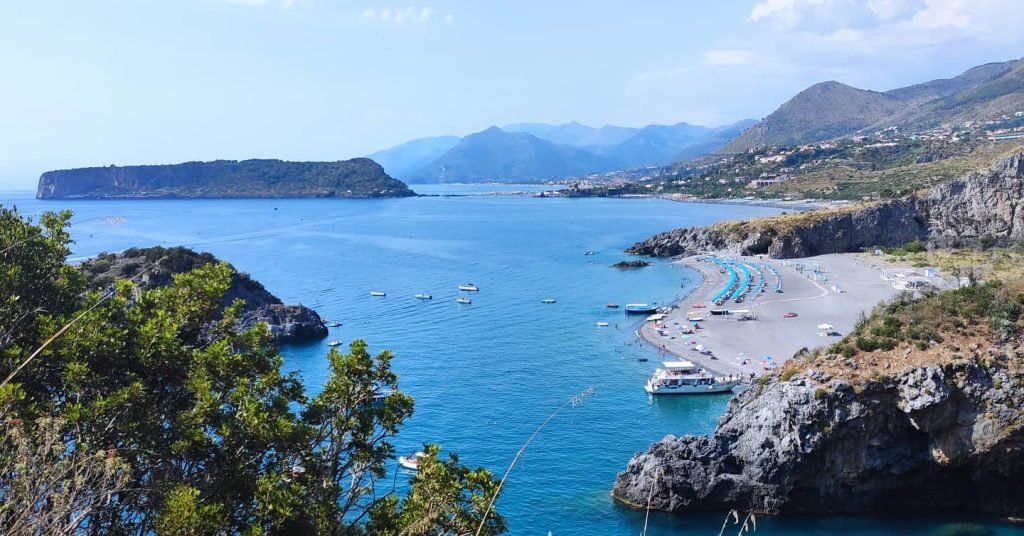
Beginning our on-the-road journey from the Calabria-Basilicata border on the Tyrrhenian side heading south, the first noteworthy location we encounter is Praia a Mare (CS), famous for the presence of Dino Island, a small island easily accessible from the shore of the main beach. Praia also has a train station connected by interregional trains (at least until recently it was, but in Calabria you never know).
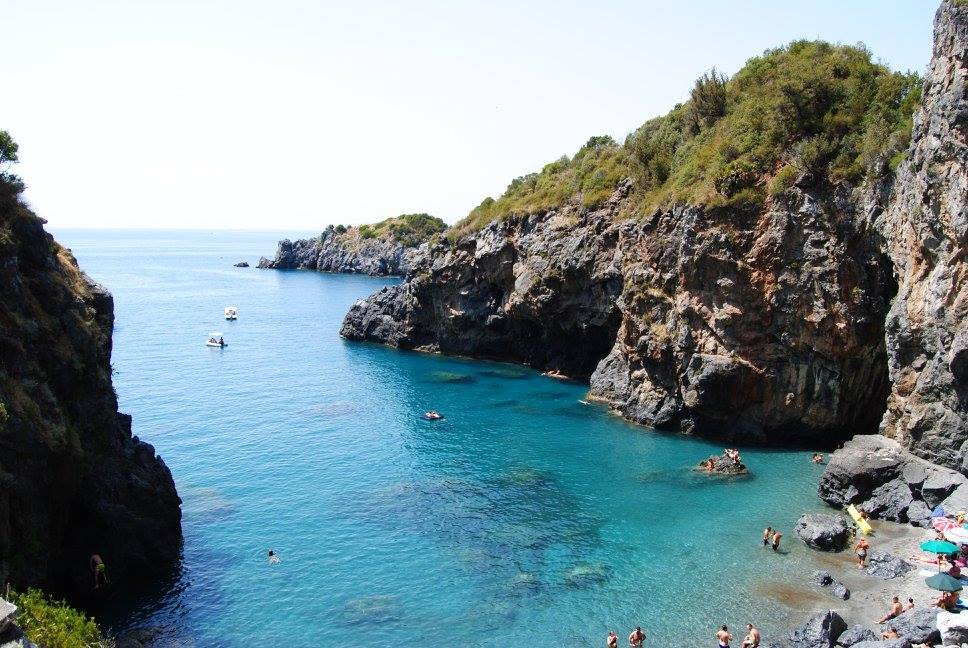
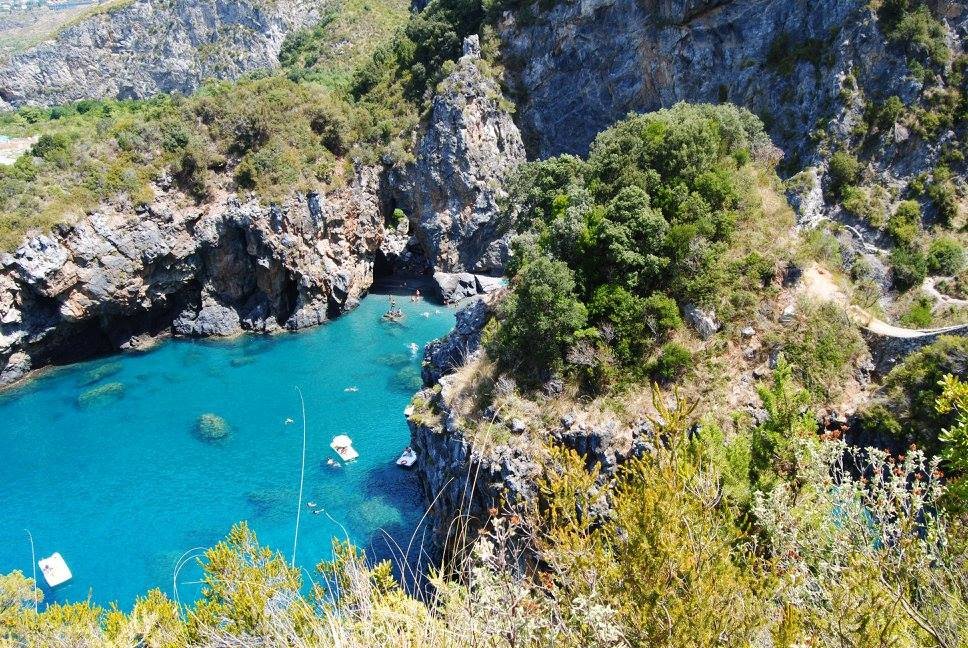
We can decide whether to stop for a few hours or walk directly to what I personally think is the most beautiful beach in the province of Cosenza, namely the Arcomagno of San Nicola Arcella, located a few kilometers south of Praia. The beach is so named by virtue of an arch carved out among the rocks, visible a few meters from the shore (Aeneas’ Arch). To reach the beach, you have to walk a short but sometimes steep path; in the sun it is not the best, but it is definitely worth it. Recently, access has become chargeable. The beach is small and rather shady, in some cases you may even feel a little cold. Until recently, you could also get there by sea by renting a pedal boat from the main beach in San Nicola Arcella, but this is no longer allowed. Since this is the highlight beach of the day, I suggest staying a while and relaxing.
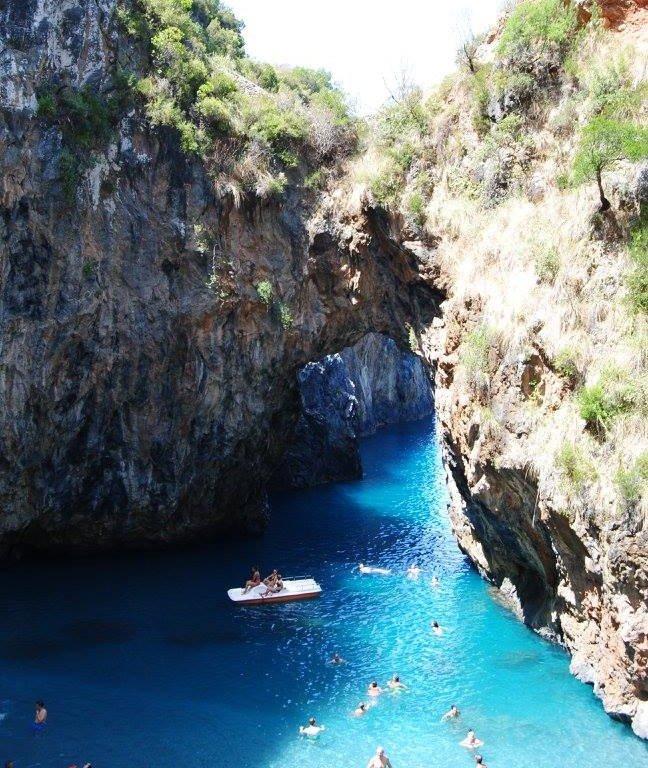
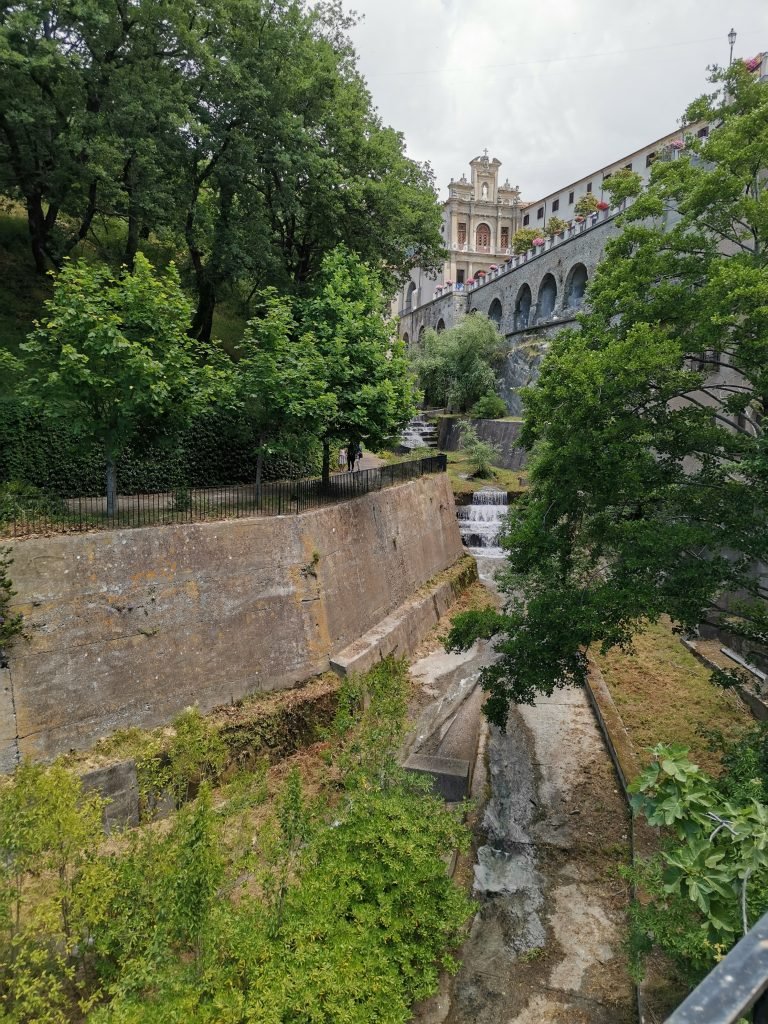
Continuing along the coast, the neighboring locations are in my opinion less spectacular, among others Santa Maria del Cedro and Diamante. Before arriving in Santa Maria del Cedro, I point out the possibility of a rafting experience on the Lao River, which can be reached via a small detour inland. In Diamante, on the other hand, I suggest stopping for a good seafood meal, among others I recommend the restaurant L’ Approdo (for some people it is better known with its old name Taverna del Pescatore). Continuing further along the coast in a southerly direction, the seaside places are honestly not too worth exploring. It is worthwhile, however, to include a stop at the Sanctuary of St. Francis of Paola, easily reached from the coastal road. Paola is also home to one of Calabria’s main train stations, so it is relatively easy to get there by train from various locations, even outside the region. As anticipated, I do not recommend the beach, like most of those in neighboring towns.
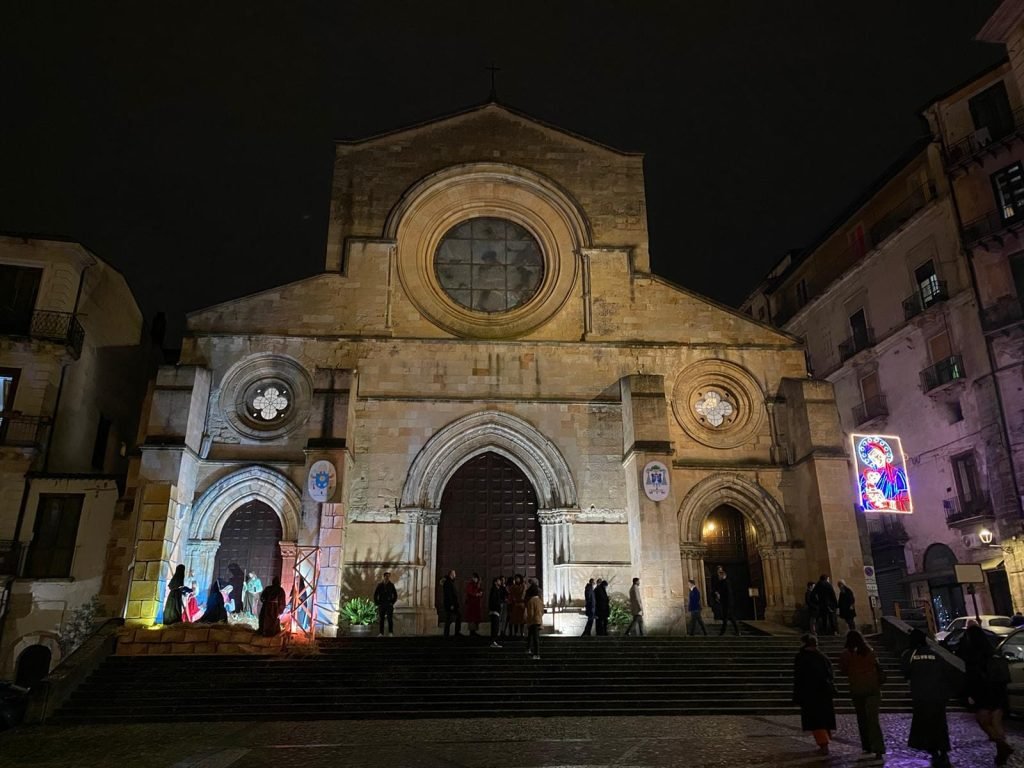
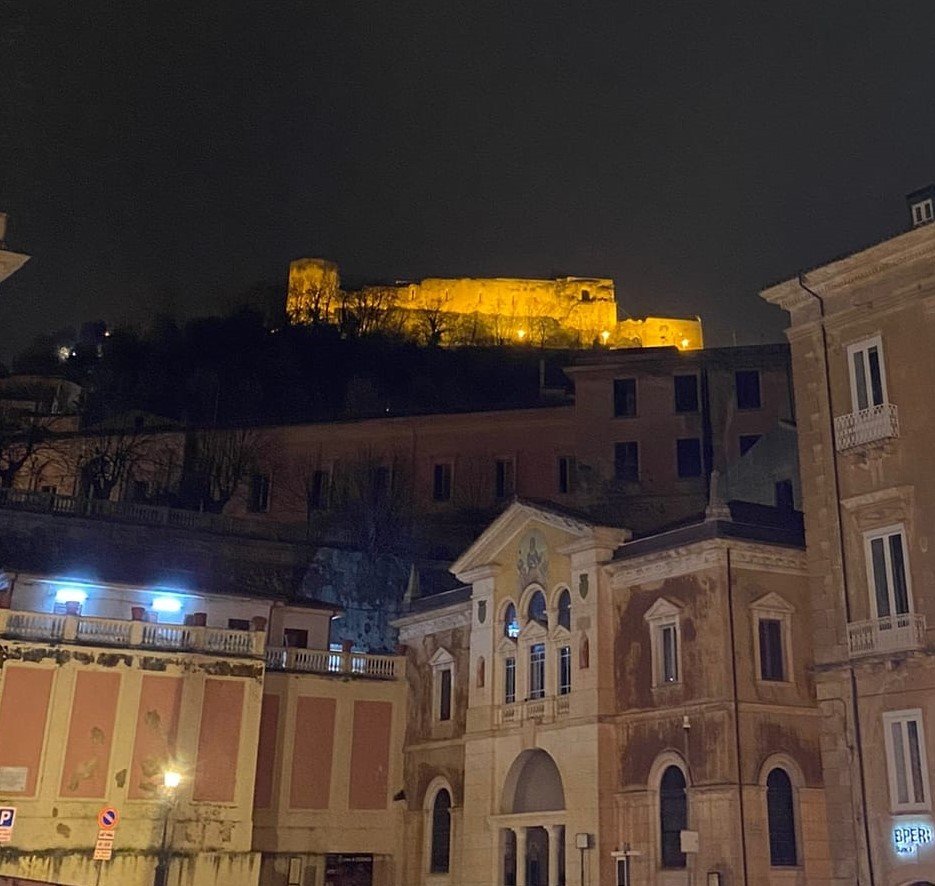
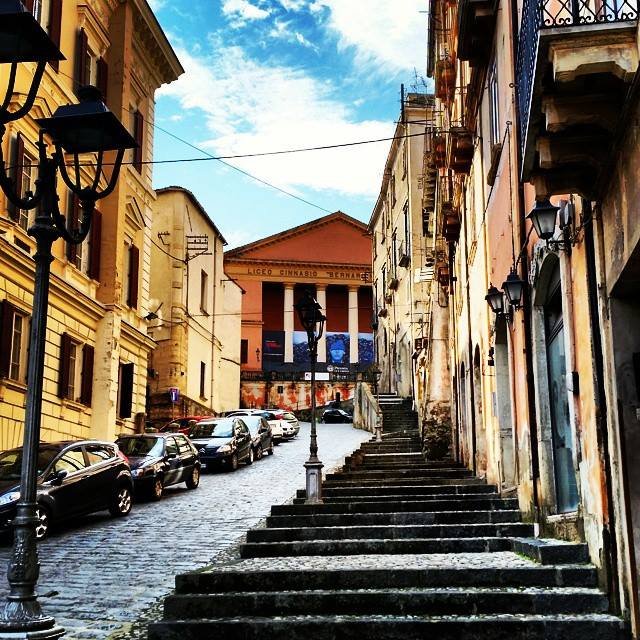
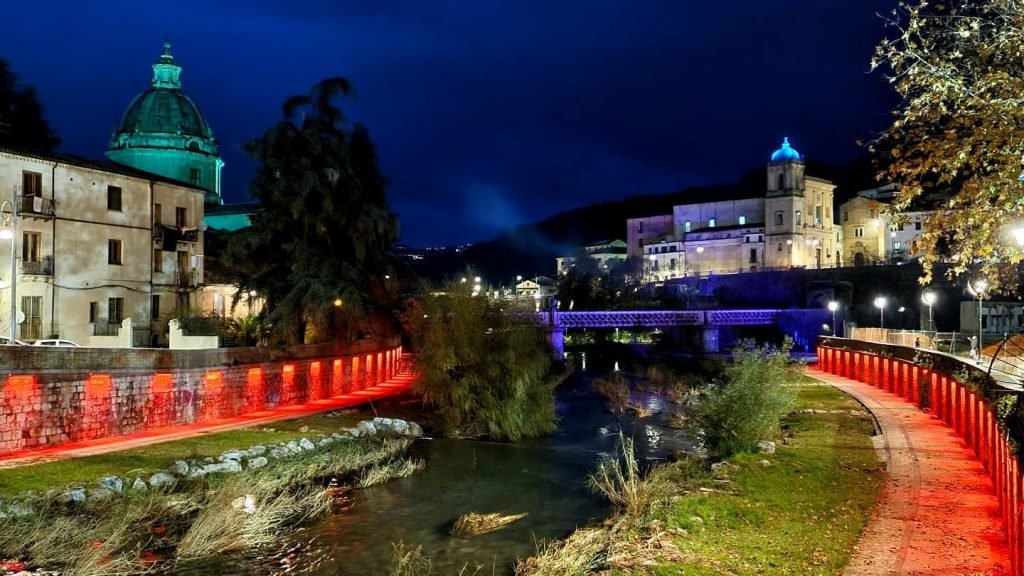
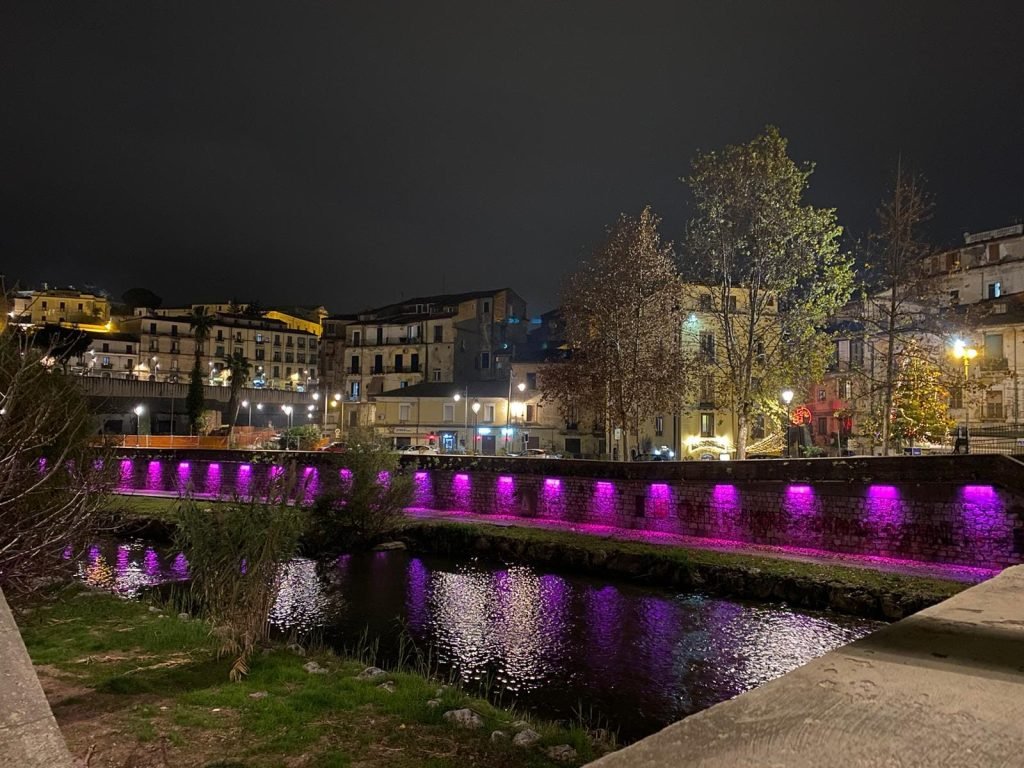
Once the visit to the Sanctuary is over, there should still be time left to visit the city of Cosenza, about a 20-minute drive from Paola, diverting from the coastal road. Among the city’s main attractions, the Swabian Castle is definitely worth mentioning, but in general the whole old area has its charms, I would point out the square of the Rendano Theater and the Cathedral, among others. Another recently built work that the people of Cosenza are usually fond of is the Calatrava Bridge, the tallest in Europe. A leading art critic had the audacity to call the historic center of Cosenza the most beautiful in Italy. Objectively, the statement seems very strong to me, but that does not detract from the fact that the city may be worth a visit.
There are several excellent places to eat in and around Cosenza. A very famous restaurant for typical cuisine is “A Cantina,” in the old area; among other trattorias, I can also mention “Il Paesello” and “Al vecchio Ulivo.” Famous among others for its wide range of meatballs is then the restaurant “Dal cugino” in Dipignano. Excellent restaurants can also be found in Rende, very close to Cosenza, where you might pass by if you are heading to the University of Calabria. In the historic center area, an excellent place is Hosteria de Mendoza, for dishes based on typical cuisine. In the more residential area, on the other hand, I recommend the Agorà restaurant for seafood dishes, while if you want to try grilled meat dishes, BBQs, burgers or other similar U.S.-style meals, I recommend the excellent Grill&Fry (I am not exaggerating by saying that I have eaten American-style meat better there than in the U.S.!).
Day 2: Vibo Valentia – Pizzo and Briatico
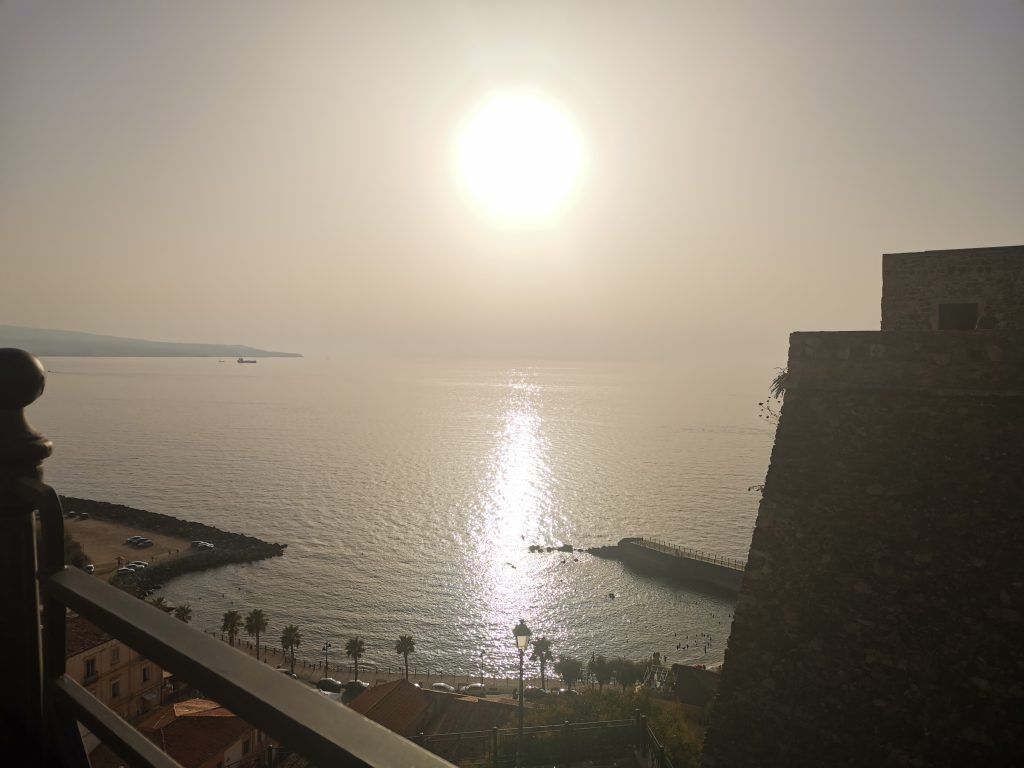
Continuing with the itinerary in southerly direction, one arrives in the province of Catanzaro. Starting from Paola, it is convenient to drive along the coastal road; from Cosenza, on the other hand, the highway is more convenient. In the province of Catanzaro, it is important to point out the presence of the international airport of Lamezia Terme, the main Calabrian one, although it is rather small and connected with only a few other airports, mostly Italian. As the name suggests, Lamezia is also home to sufficiently renowned spas (Terme Caronte). The Tyrrhenian coast of Catanzaro is not particularly noteworthy in my opinion, I mention only the area of Gizzeria as it is rather frequented by young people. From a landscape point of view, however, I would say that it is not a must, so if I was a traveler who wants to optimize time, I would avoid planning stops in this location. Proceeding further south, one arrives in the province of Vibo Valentia, which instead is home to the most beautiful beaches in Calabria, in my opinion. The first location that deserves a stop is Pizzo, both for the beaches and for the village, which is home to, among other things, the Murat Castle, from which it is also possible to observe beautiful sunsets. If you come from Cosenza, it is still advisable to drive along the highway.
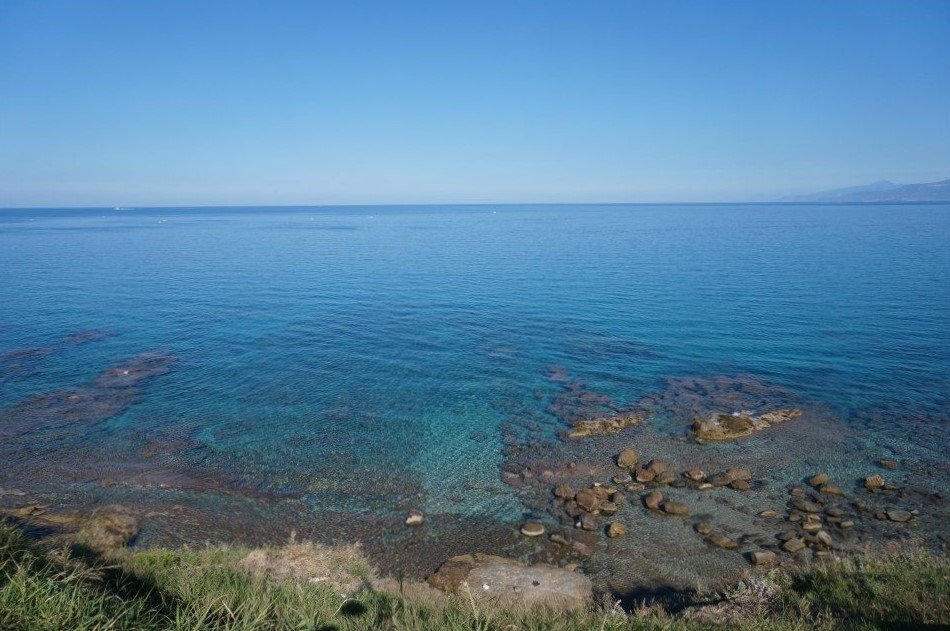
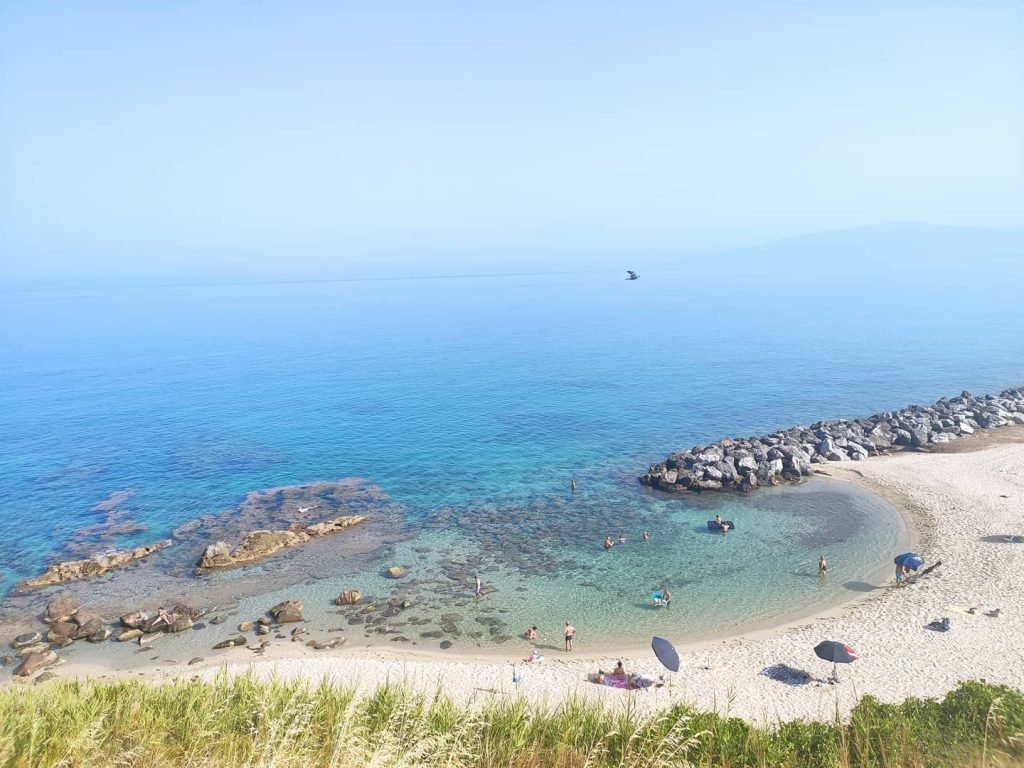
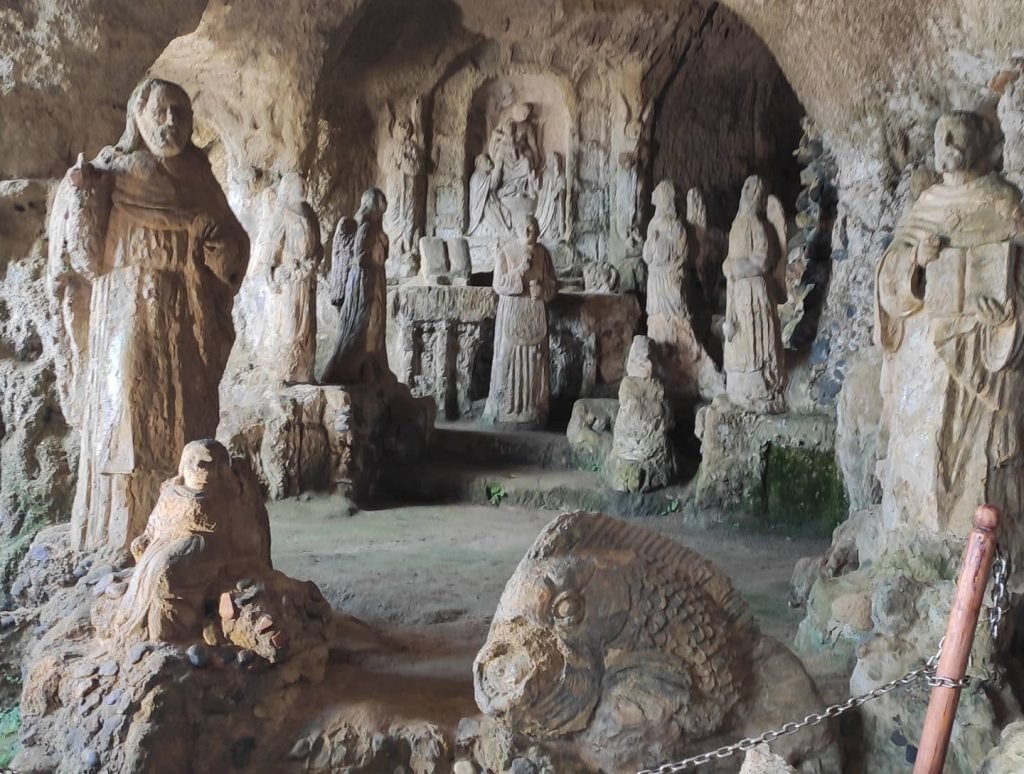
My favorite beach in Pizzo is Piedigrotta beach, which houses a small stone church in honor of the Madonna of Piedigrotta, as the name suggests. Most of the time, the church is not open to the public, so let’s just say it takes some luck. The beach is located quite close to the highway exit, and to access it you need to go down a short flight of steps.
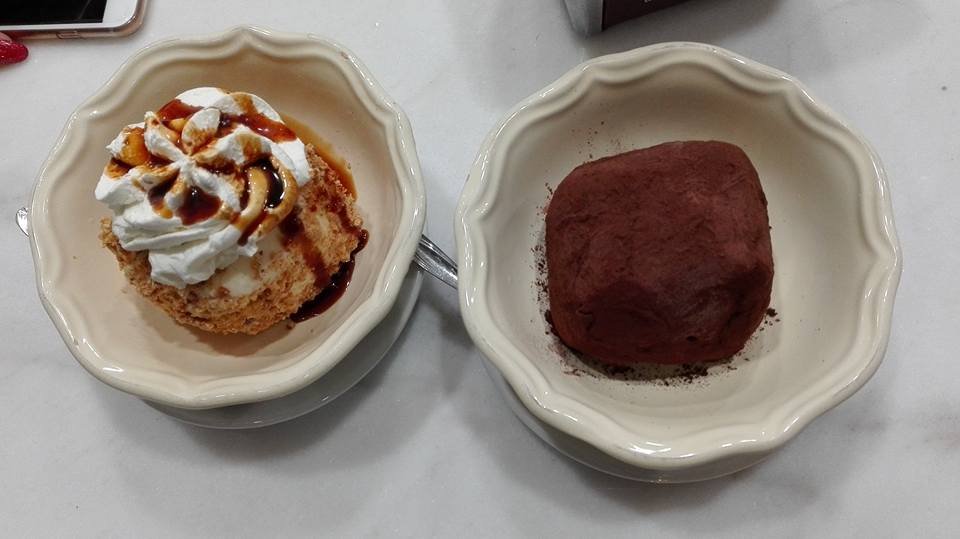
Let’s talk now about my favorite Pizzo-related part, which is the truffle. This is an ice cream with a chocolate heart with a magical taste, in the main square you can find several bars where you can request it. Of course, it is best to get it from those that produce it artisanally. There are also different variations, from the stuffed Hazelnut to the Pistachio one, personally I prefer the classic one, but in any case I highly recommend investing the 5€ needed to taste it. I have tasted the truffle in several places, I found the one I liked the most at Bar “Dante”.
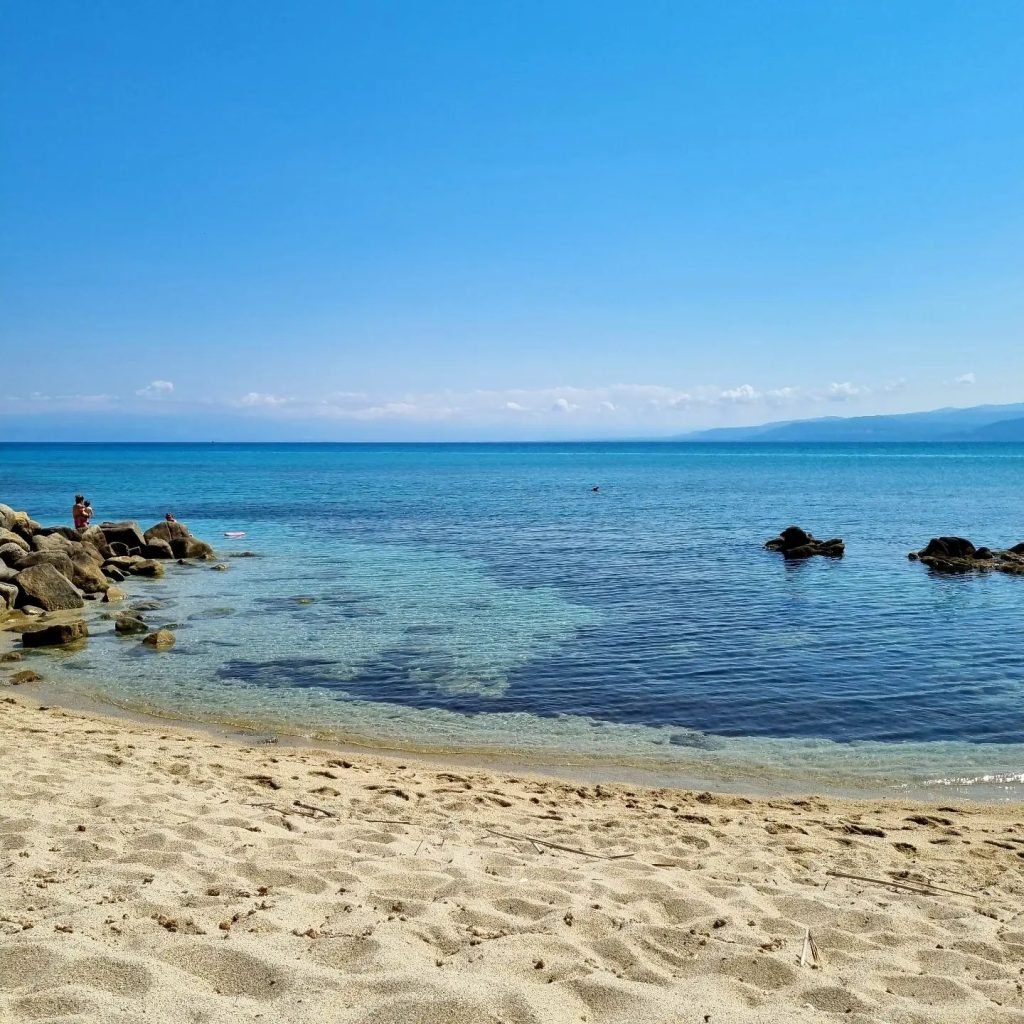
Following the road further south we come to Briatico, a locality in which I mention the beach of Punta Safò. This is a fairly small, but usually not very crowded beach in which you can also easily find parking, which is absolutely nontrivial, especially in the warmer months. For the evening, it may be convenient to return to Pizzo, given the short distance and greater liveliness, or head toward Tropea, to be more comfortable for the next day’s stops. Near Pizzo, you can stop in Vibo Marina for dinner, among others I suggest the restaurant Lapprodo (no apostrophe).
Day 3: Vibo Valentia – Zambrone and Parghelia
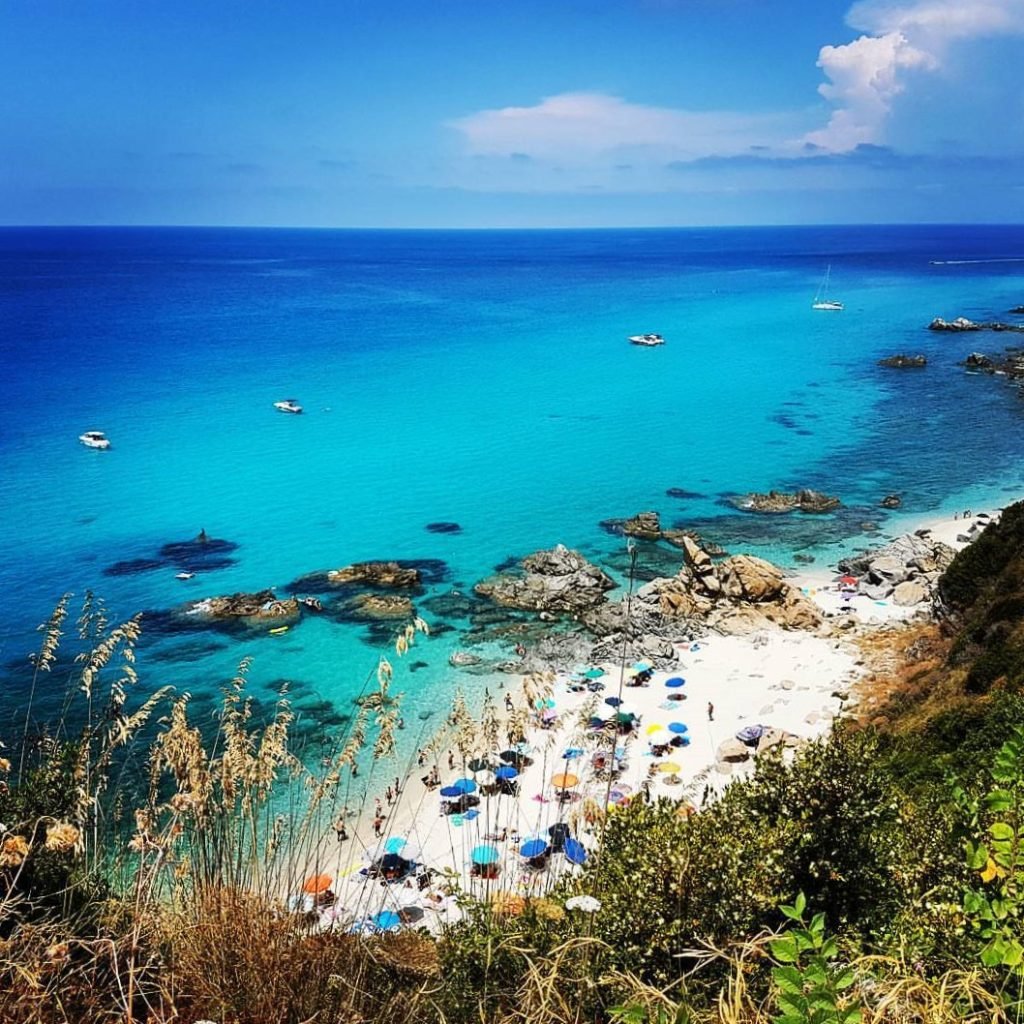
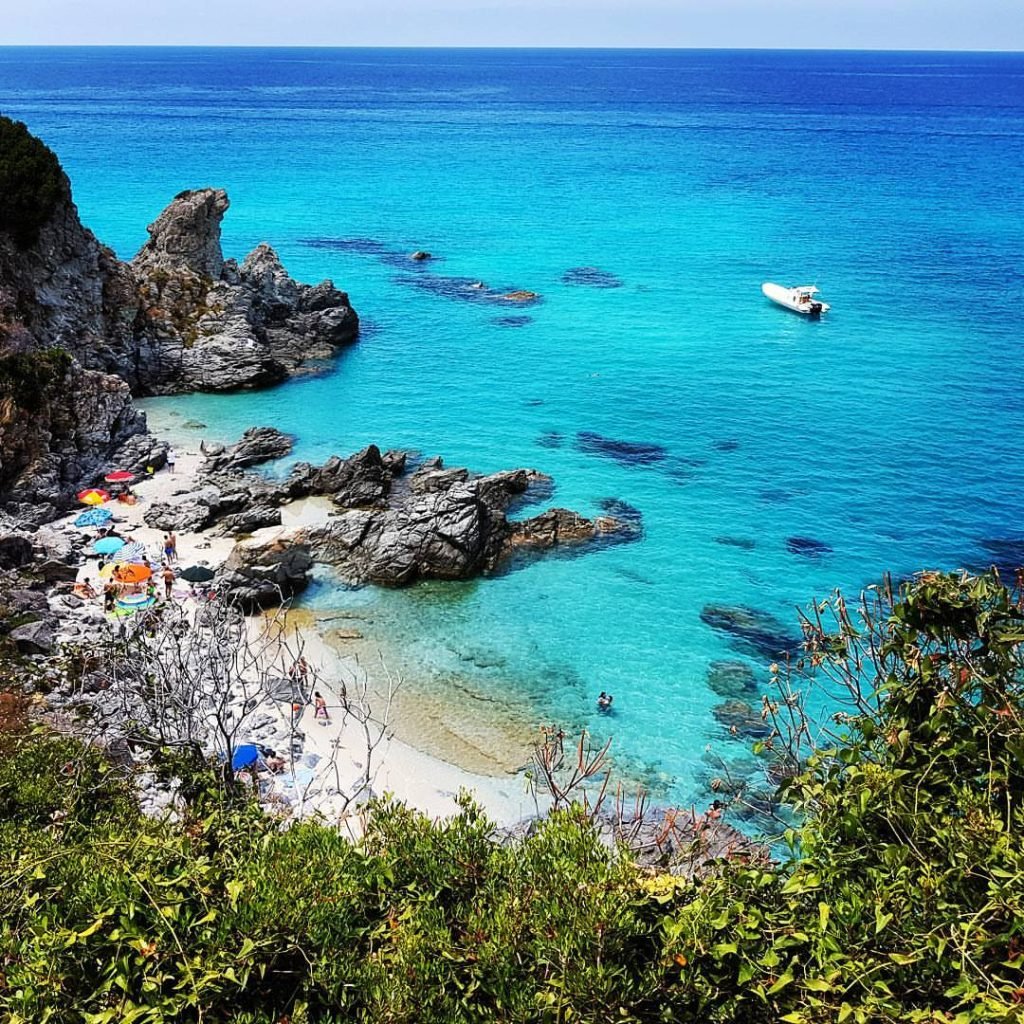
A few kilometers south of Briatico are the most beautiful beaches on the coast, and it is no coincidence that this part of the coast is called the Coast of Gods (for greater precision, the Coast of Gods actually extends from Pizzo to Nicotera). Coming from Briatico or Pizzo, in order of appearance we find the locality of S. Irene and especially the Marina of Zambrone, where there is the wonderful beach of Paradise of the Diver, which can be accessed by following a short path. The most difficult part of the visit is to find parking, in fact it is better to go very early, places are scarce even for a fee. Before arriving at the beach, it is considered a crime not to stop and admire the view. I suggest staying on the beach for at least half a day.
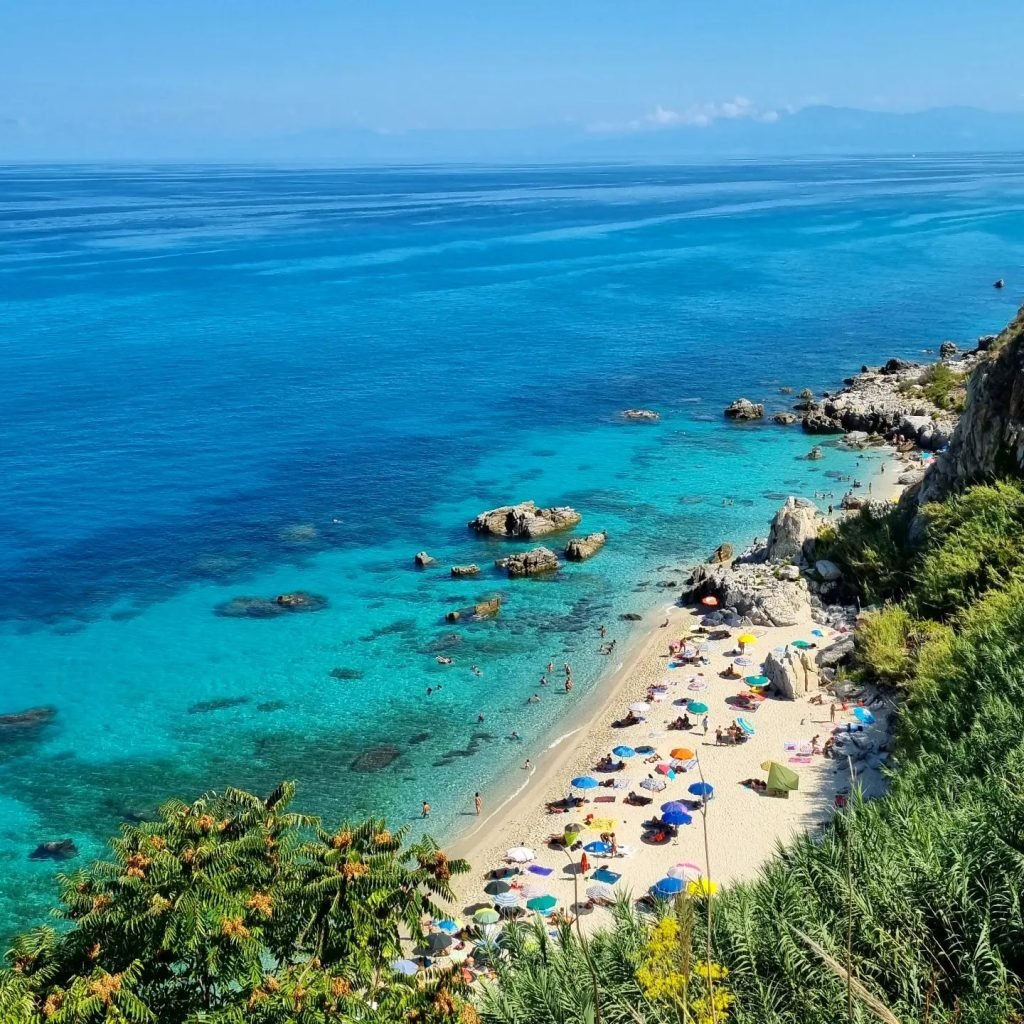
Just a few minutes’ drive from Zambrone is another of Calabria’s most precious gems, namely Michelino Beach, in Parghelia. Again, the beach can be reached by a short but fairly steep path. Parking can usually be found, but I would not say exactly with ease. As one descends to reach the beach, one observes a beautiful view from above. The story goes that someone was thrown in jail for not pausing to enjoy such splendor. The beach definitely deserves a long swim, so I would spend the second half of the day here until sunset.
Day 4: Vibo Valentia – Tropea and Santa Domenica di Ricadi
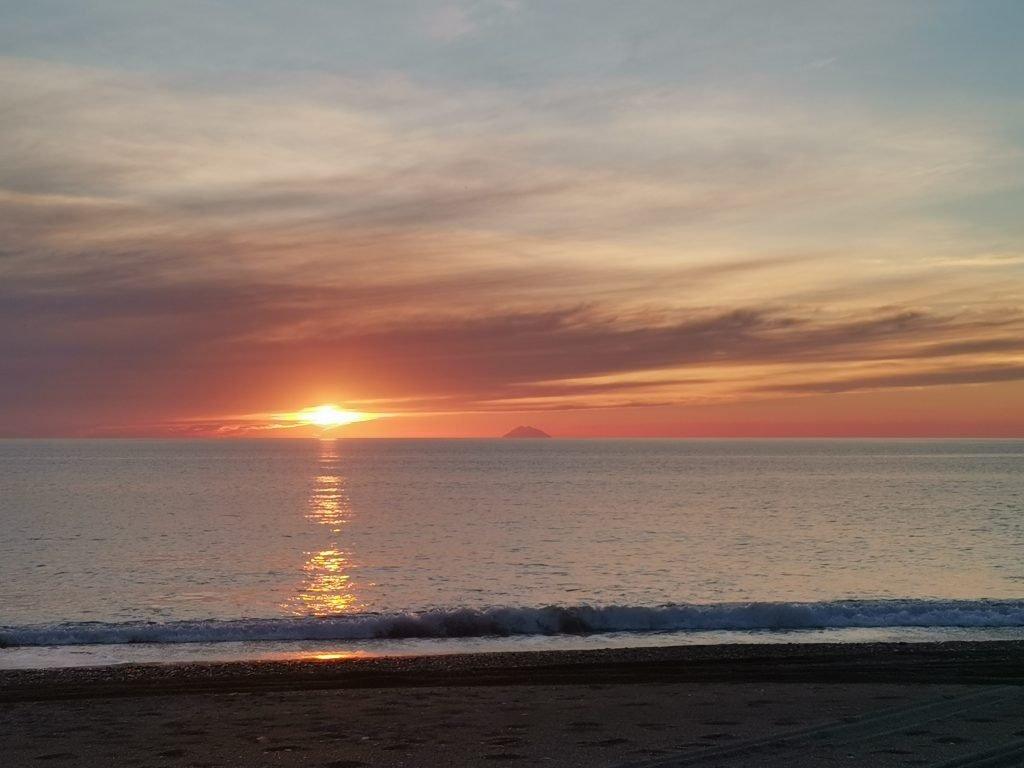
Continuing from Parghelia a little further south, we come to probably the most famous seaside place in Calabria, namely Tropea (yes, the onion town). Tropea is also the most touristically equipped place in the area. It also houses a small port, from which, among others, daily excursions to the Aeolian Islands depart. Tropea’s main beach is the one overlooking the Sanctuary of the Madonna (of Tropea). Finding parking here in the peak months is more impossible than difficult. Here, too, there is a popular viewpoint (located in the village) to admire the spectacle from above. From Tropea one can see one of the most beautiful sunsets in Italy, with the sun hiding in the background of the volcano Stromboli, visible from the beach.
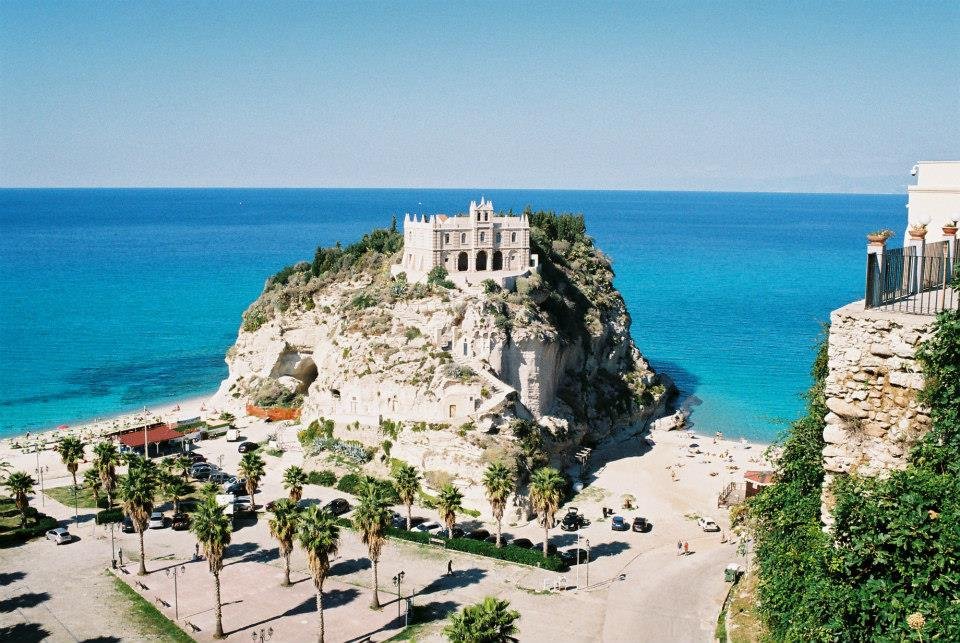
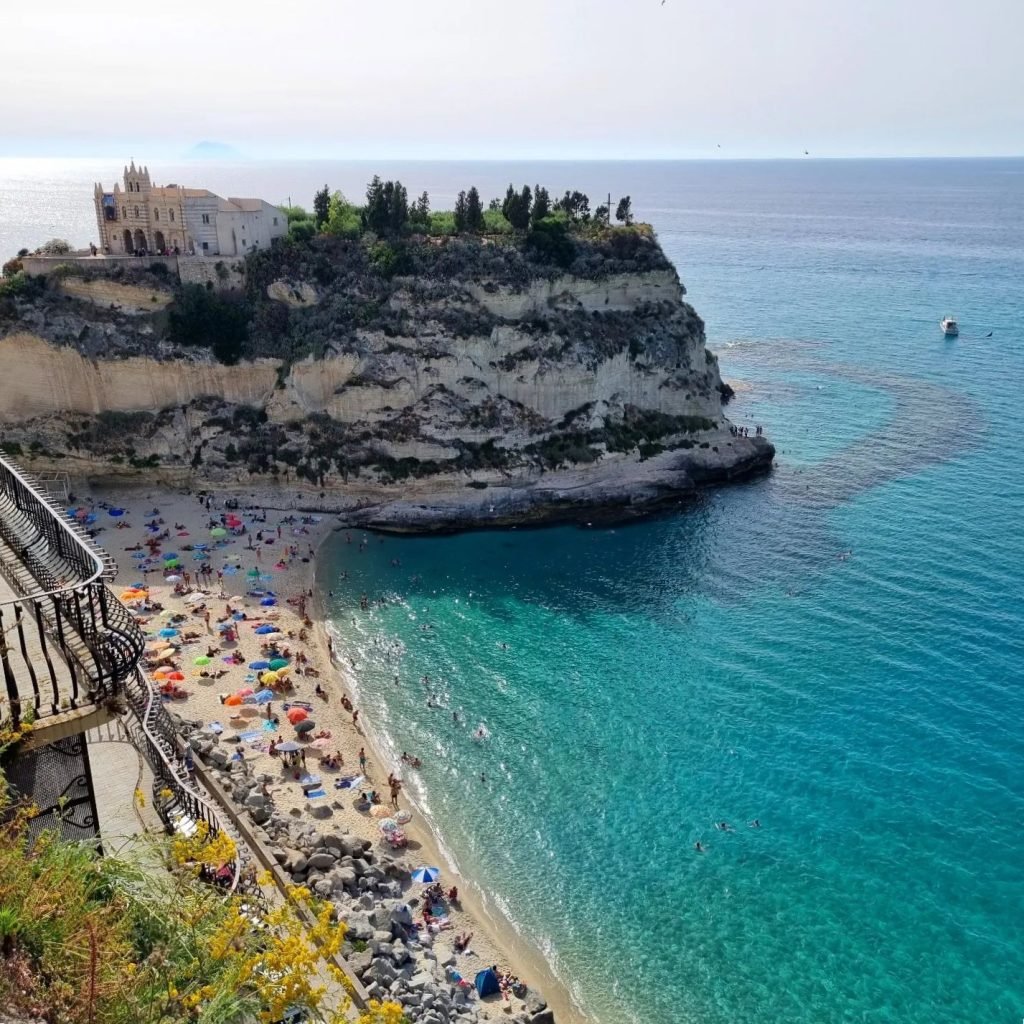
Continuing further south, another absolutely noteworthy place is Santa Domenica di Ricadi. The best-known beach in the area is Baia di Riaci, which can again be accessed by taking a short, steep path, but there are also elevators leased near some of the resorts.
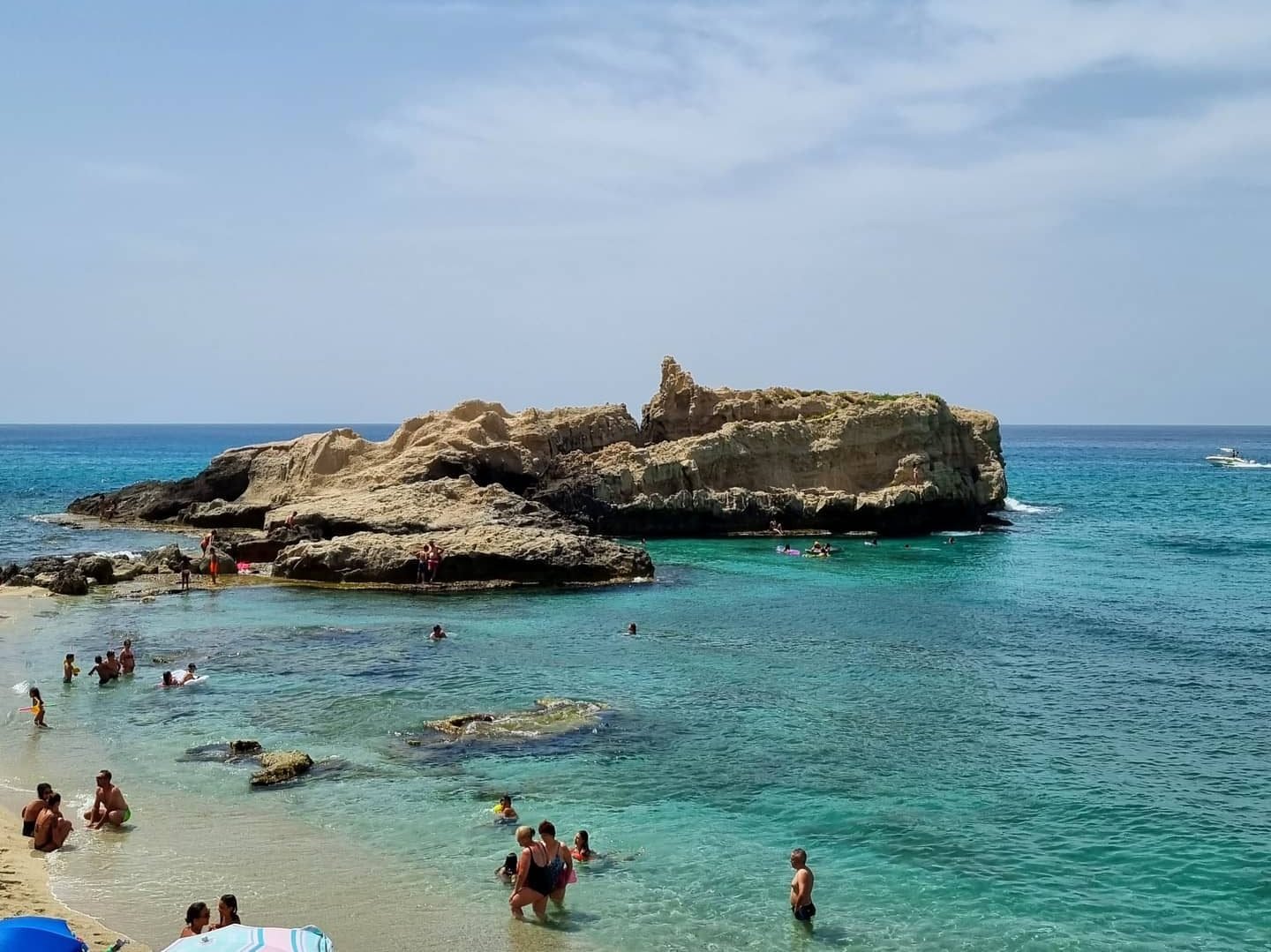
Other beaches near Riaci Bay are Formicoli beach, Zibbi beach, and Occhiale beach. Being very close to Tropea, I would spend the evening there, also to see the sunset as mentioned earlier.
Day 5: Vibo Valentia – Capo Vaticano
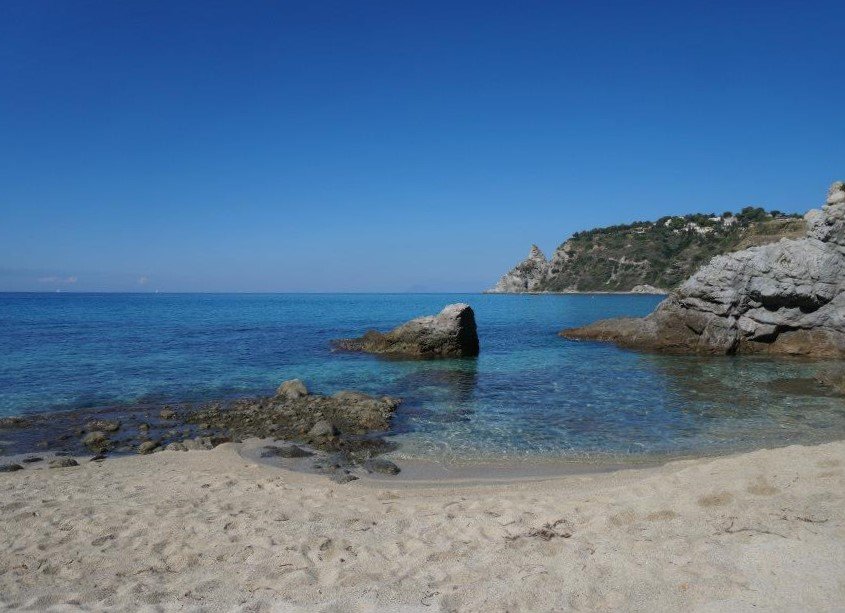
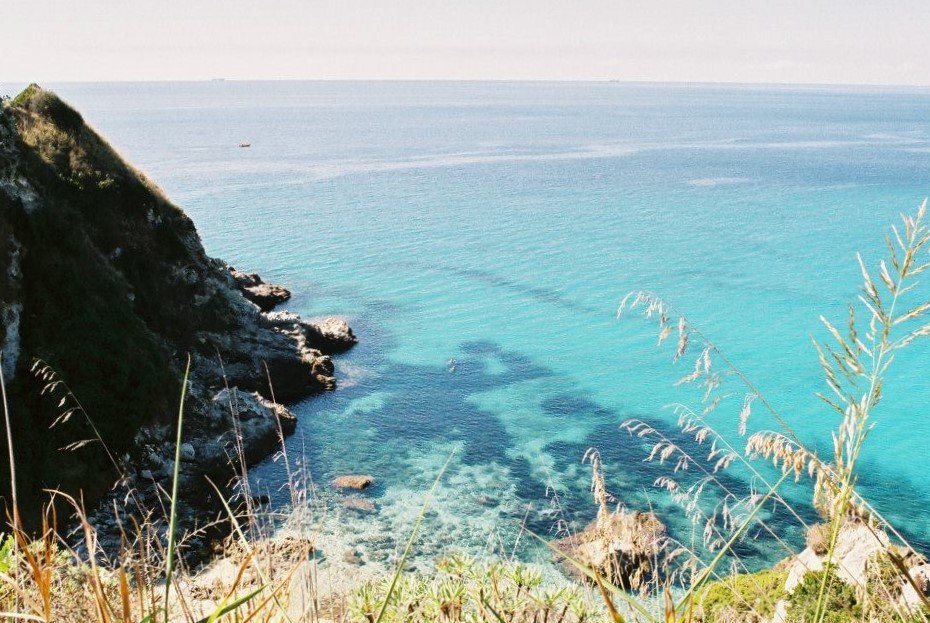
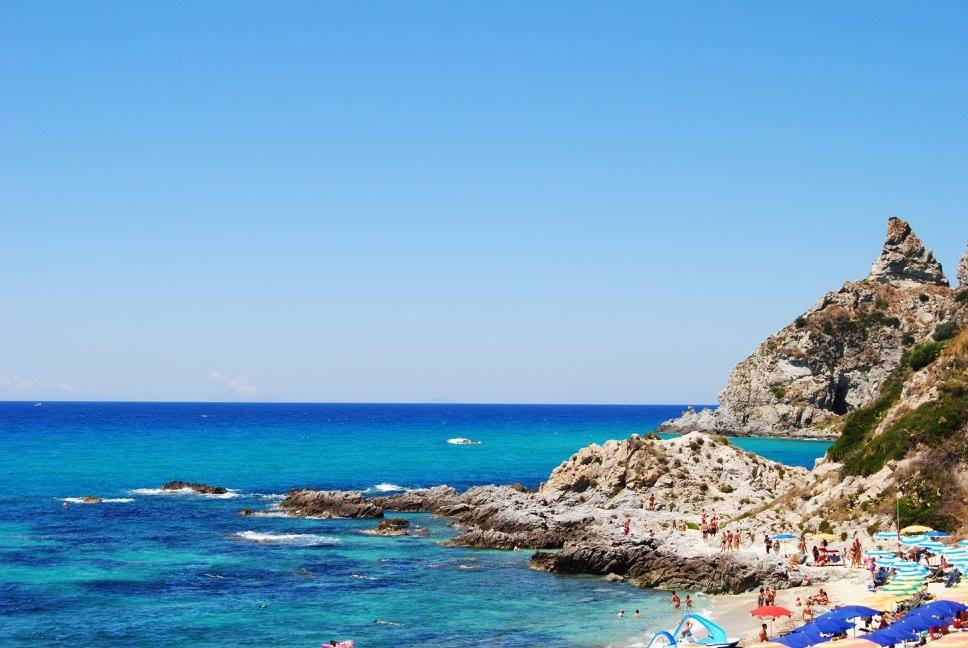
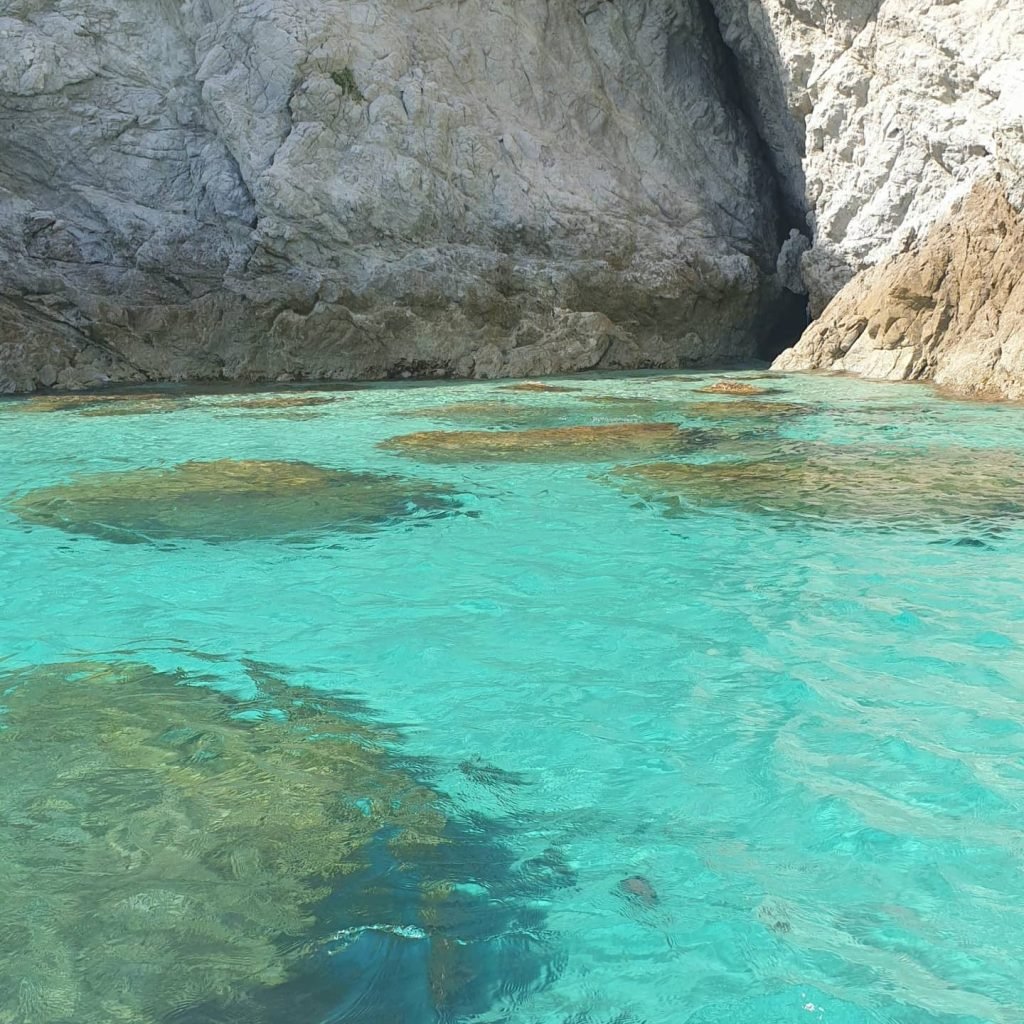
Just a few kilometers away from Tropea and Santa Domenica di Ricadi is Capo Vaticano, another fairly well-known resort where you will find Grotticelle beach, listed a few years ago among the top 15 most beautiful beaches in the world. Getting there is not very difficult, as access to the beach is quite close to the parking lot. However, in the peak months, the parking lot itself is the main limitation. Being in fact very small, it fills up quickly, and if there is no room it is better to go elsewhere. The beach is very beautiful. If you dare to spend less than a day there, the neighboring beach of Praia i focu is also worth a visit. For the evening and overnight stay, I would still return to Tropea; Capo Vaticano is not usually exactly Rio Carnival. Note: About ten kilometers from Capo Vaticano is Spilinga, the town of origin of ‘Nduja, a typical Calabrian product made of fatty pork and chili pepper, which stays in your heart, but also directly in your arteries.
Day 6: Scilla and Reggio Calabria
After visiting the Coast of Gods, continuing further south we arrive in the province of Reggio Calabria. Among the first localities one encounters on the way, I point out Palmi and Gioia Tauro, the latter famous not so much for its beaches as for its port, which is the most important in Calabria. In the Reggio Calabria area, the best known seaside resort is definitely Scilla, which is also a great village. Scilla is also home to the Ruffo Castle, which provides the backdrop for the beautiful landscape. Among other things, there are also excellent seafood restaurants, although the most famous dish is the swordfish sandwich.
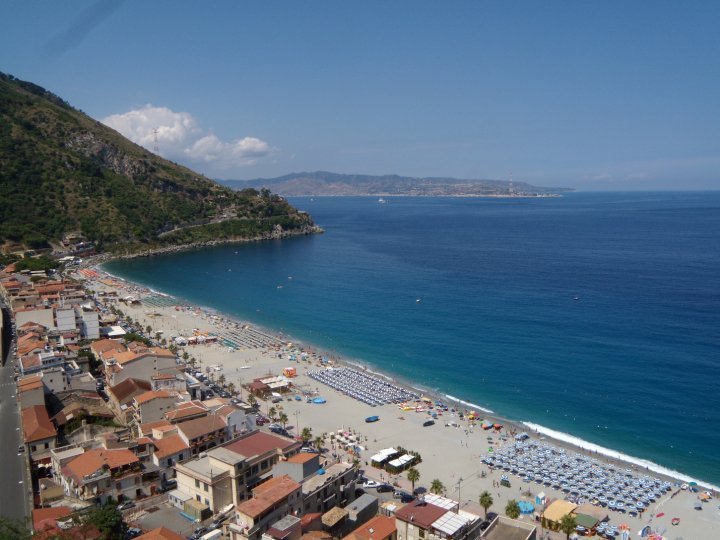
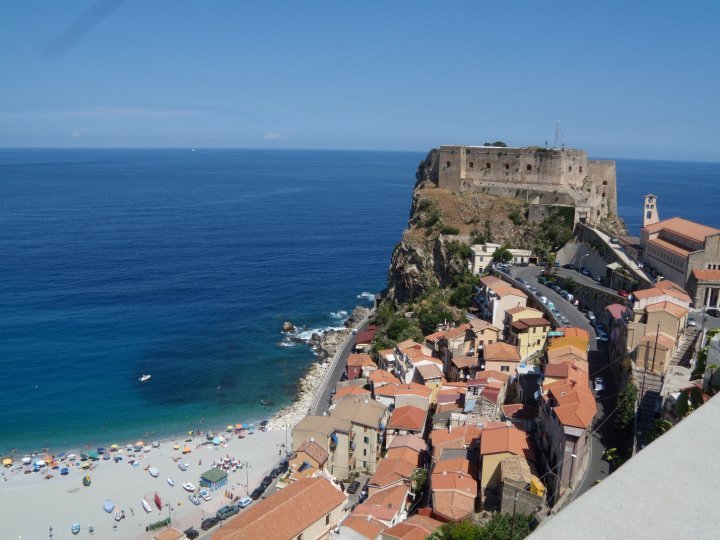
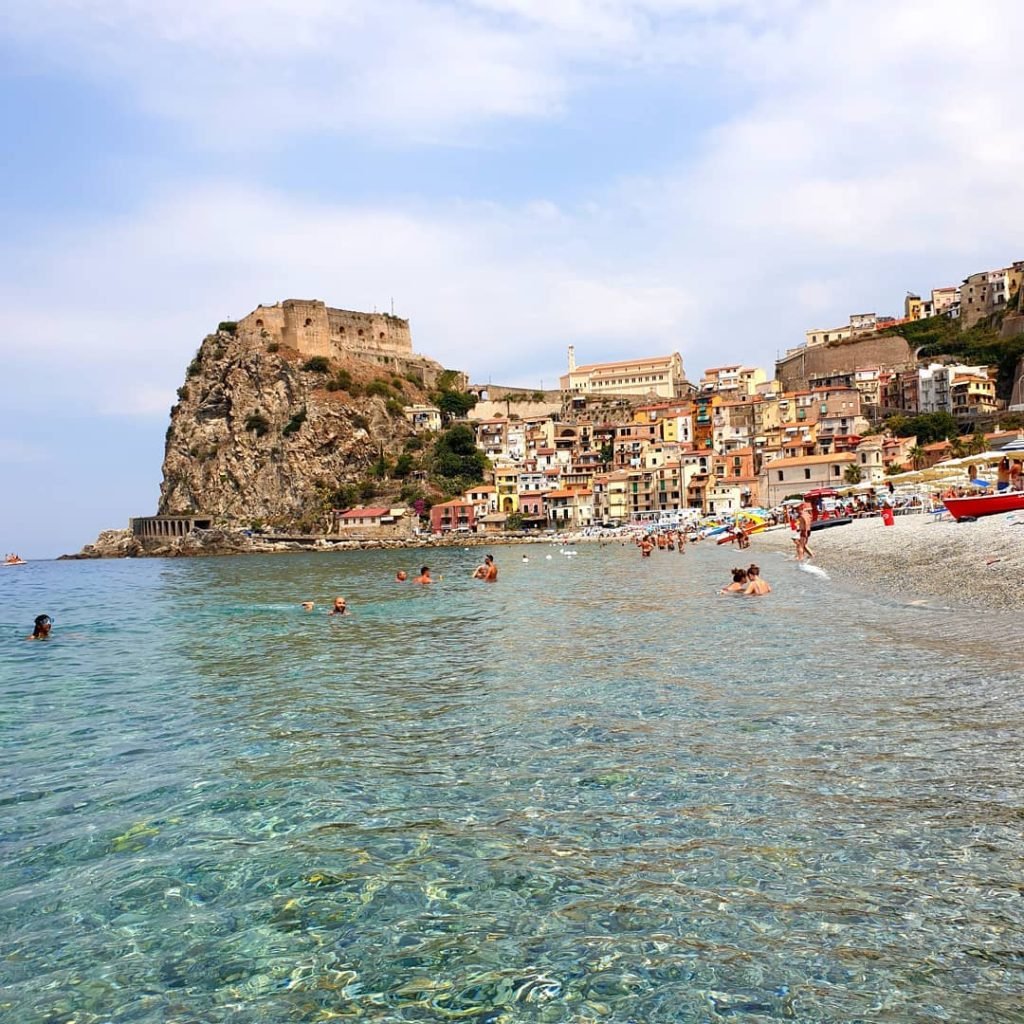
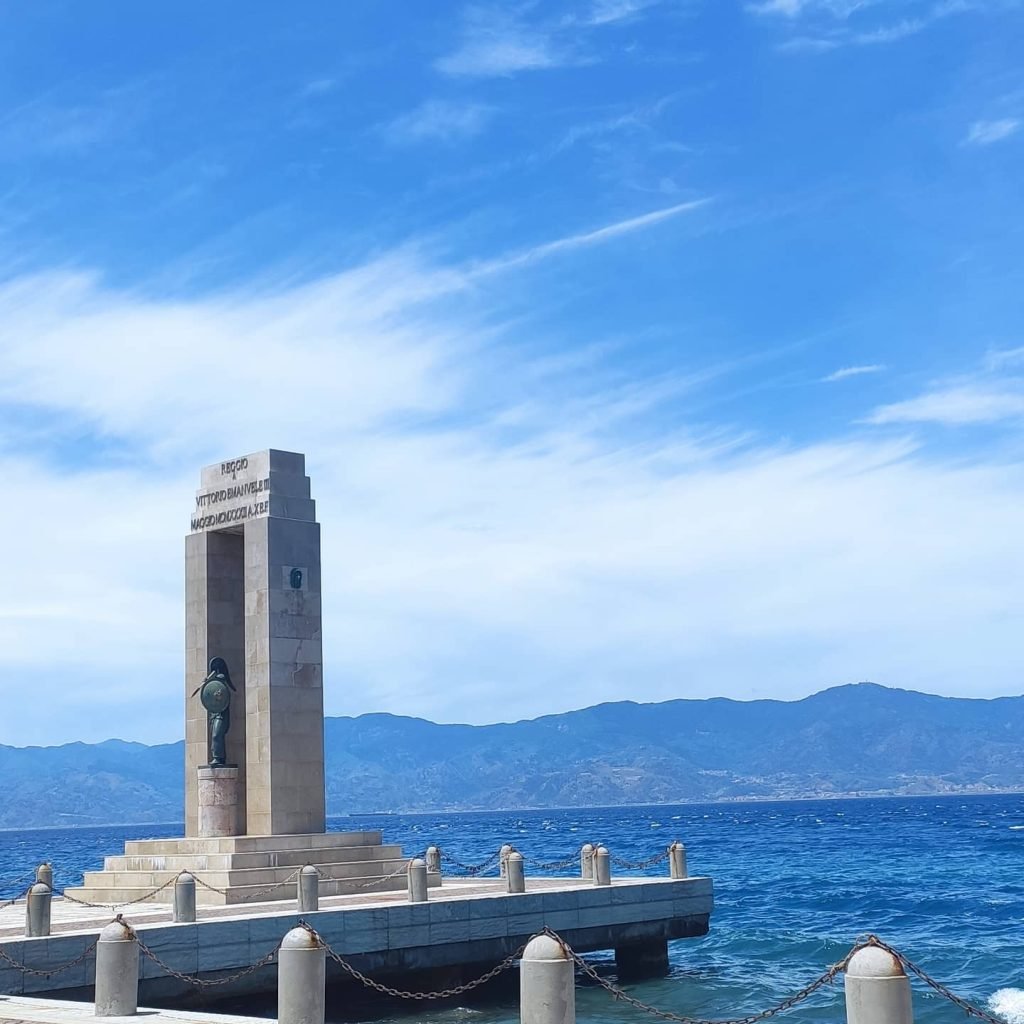
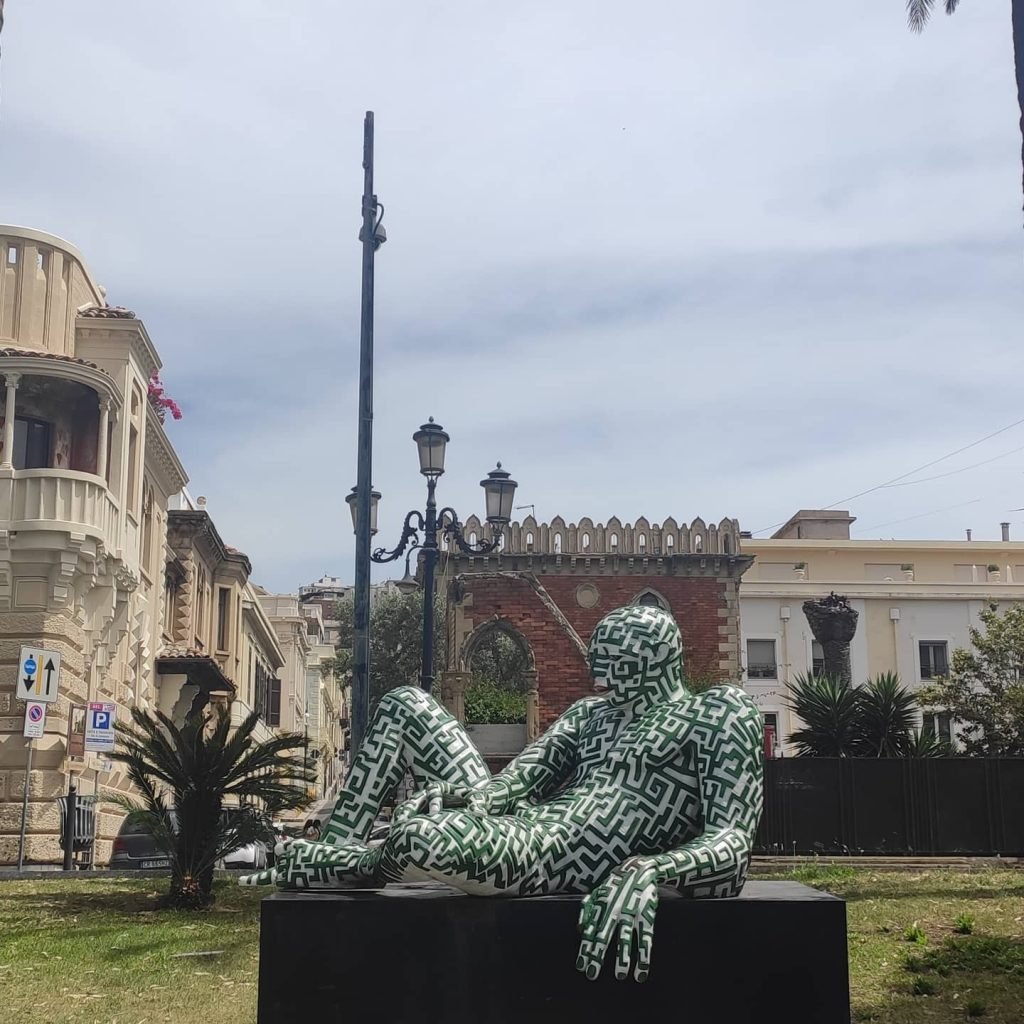
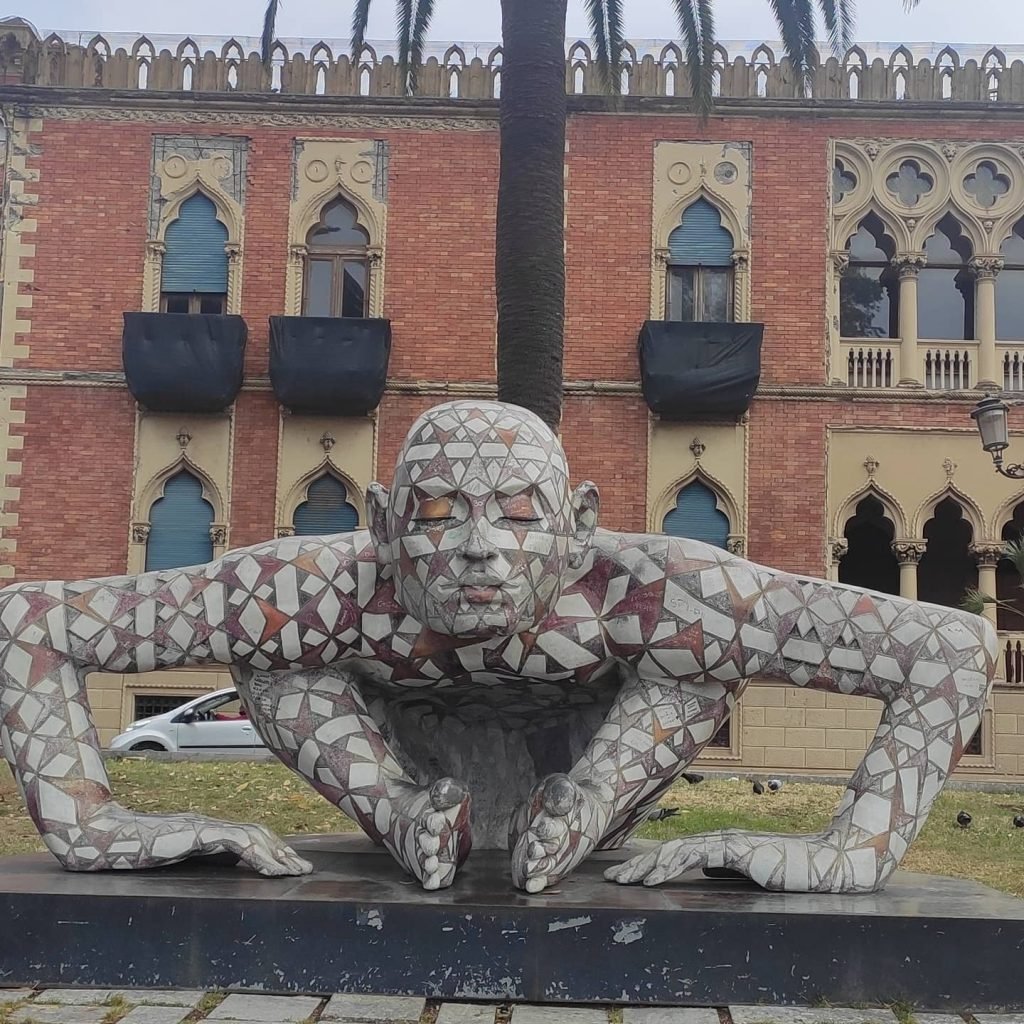
A few kilometers from Scilla is Villa San Giovanni, a town from which ferries leave for Sicily, and further south is the center of Reggio Calabria, which according to D’Annunzio, an important italian poet, has the “most beautiful mile in Italy”, and in which is the archaeological museum where the Riace Bronzes are kept.
Day 7: Reggio Calabria – Aspromonte National Park
Reggio Calabria is the city from which the Aspromonte National Park can be most easily accessed. The main location in the Park, from which most of the trails for those who enjoy trekking start, is Gambarie, famous among other things because it is home to a picturesque ski slope that overlooks the sea. On this site, you can find a bit of information about possible treks. If you continue along the coast following the horseshoe trajectory, once past the tip of Calabria, the small town of Gerace and the Cattolica of Stilo, passing through Roccella Ionica, are worth a short detour. However, to be more comfortable for the next day’s attractions, I would suggest not continuing along the coastal road, but heading back toward Scilla or Reggio Calabria for the evening.
Day 8: Catanzaro ionica – Soverato, Caminia, Copanello
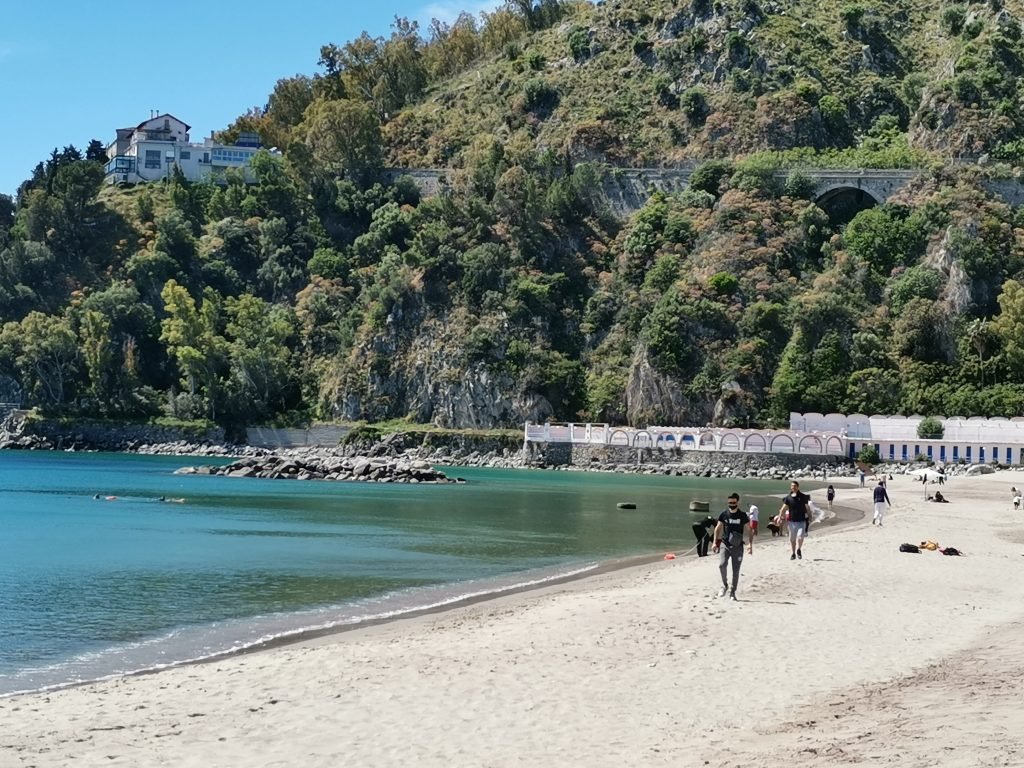
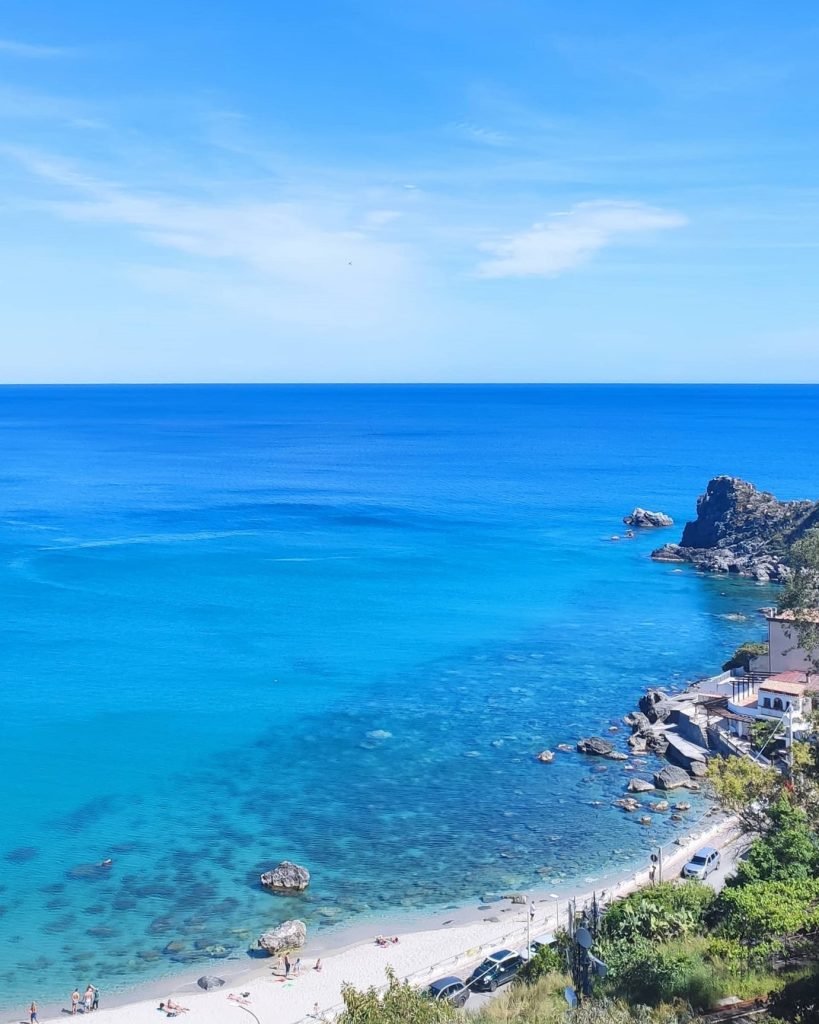
Passing through the hinterland from Reggio Calabria, or going up along the Ionian coast, one arrives on the Ionian side of Catanzaro, where the province’s best beaches are located. The most famous town is definitely Soverato, being the most lively center. However, the most deserving beaches in the area are located, in my opinion, slightly further north, in the Gulf of Squillace. If you have to choose two of them in which to stop for a swim, I would opt without hesitation for Caminia and Copanello, just a few kilometers apart, in each of which I would spend half a day. For the evening, however, I would definitely suggest returning to Soverato.
Day 9: Crotone – Le Castella, Spiagge rosse, Capo Colonna
From Soverato, following the coastal road in a northerly direction, one arrives in the province of Crotone, a city in the surroundings of which the signs of Magna Graecia are particularly visible. First of all, I would mention the locality of Le Castella, home to the beautiful Aragonese Castle, which can also be visited internally free of charge within an hour.
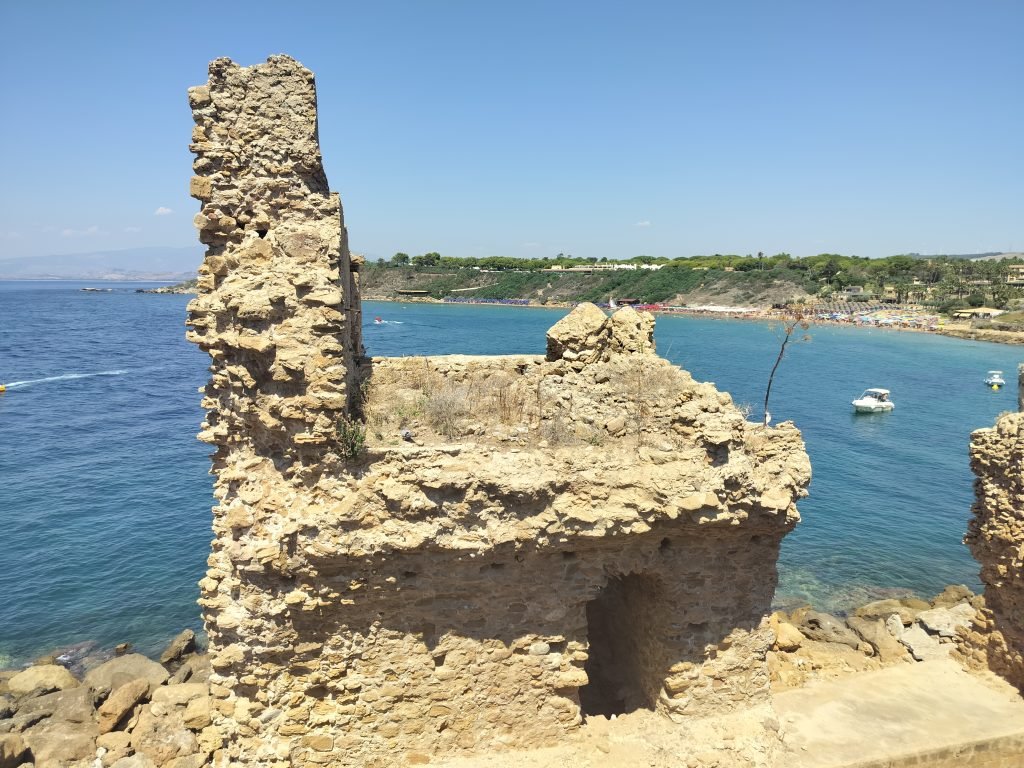
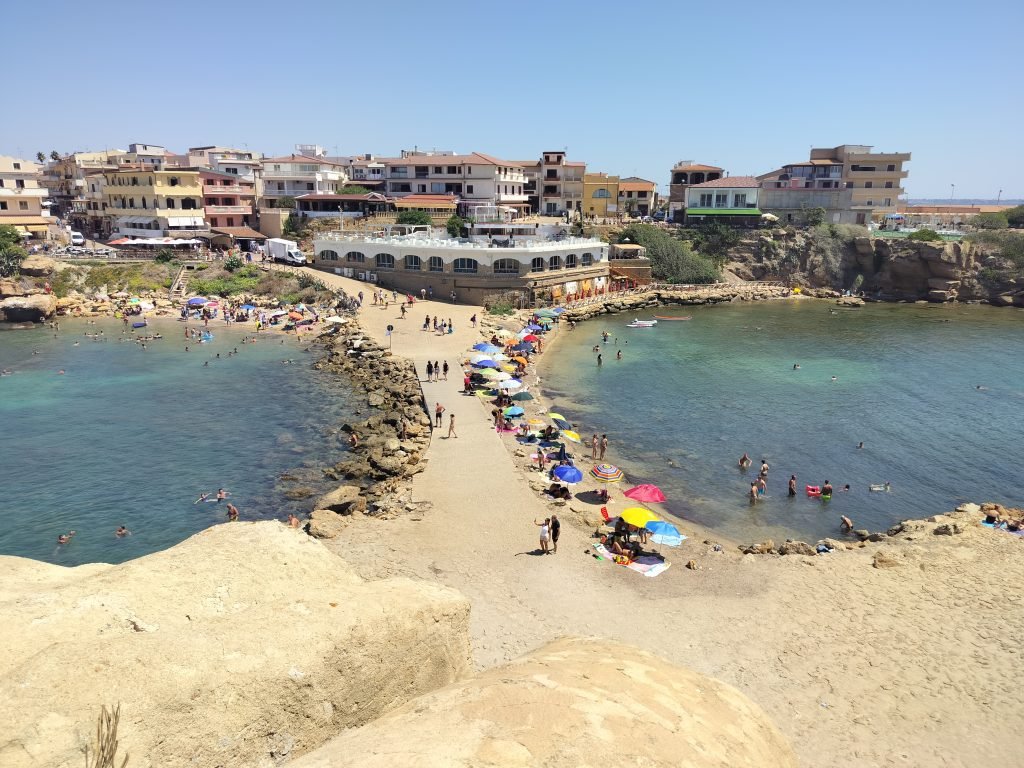
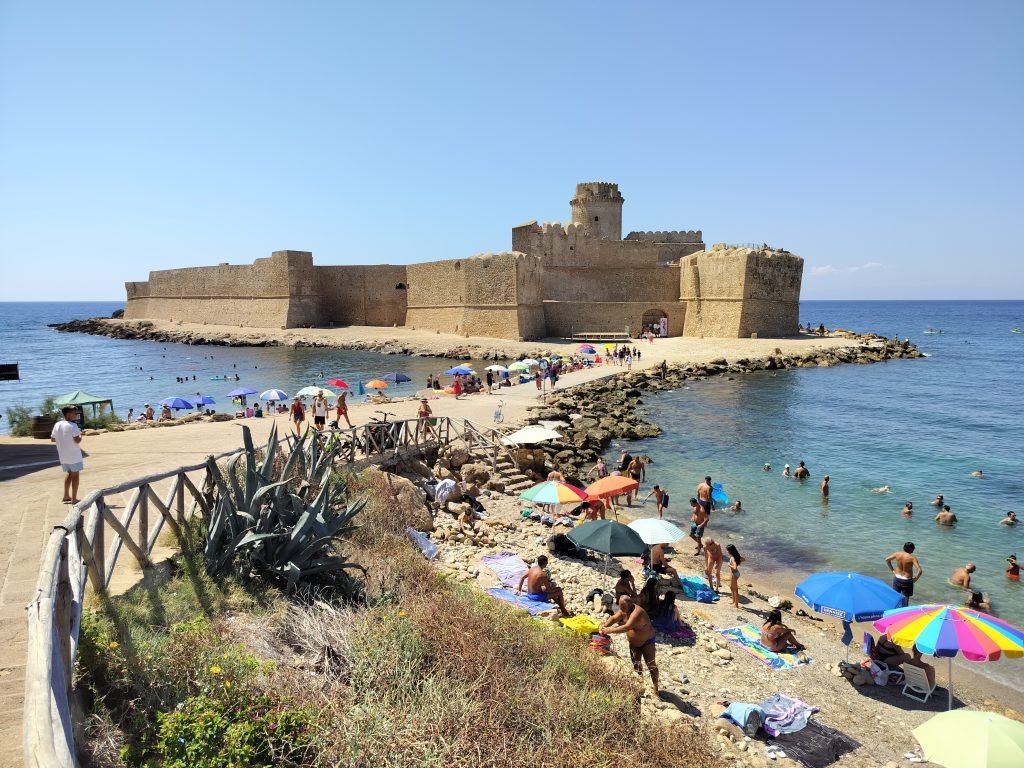
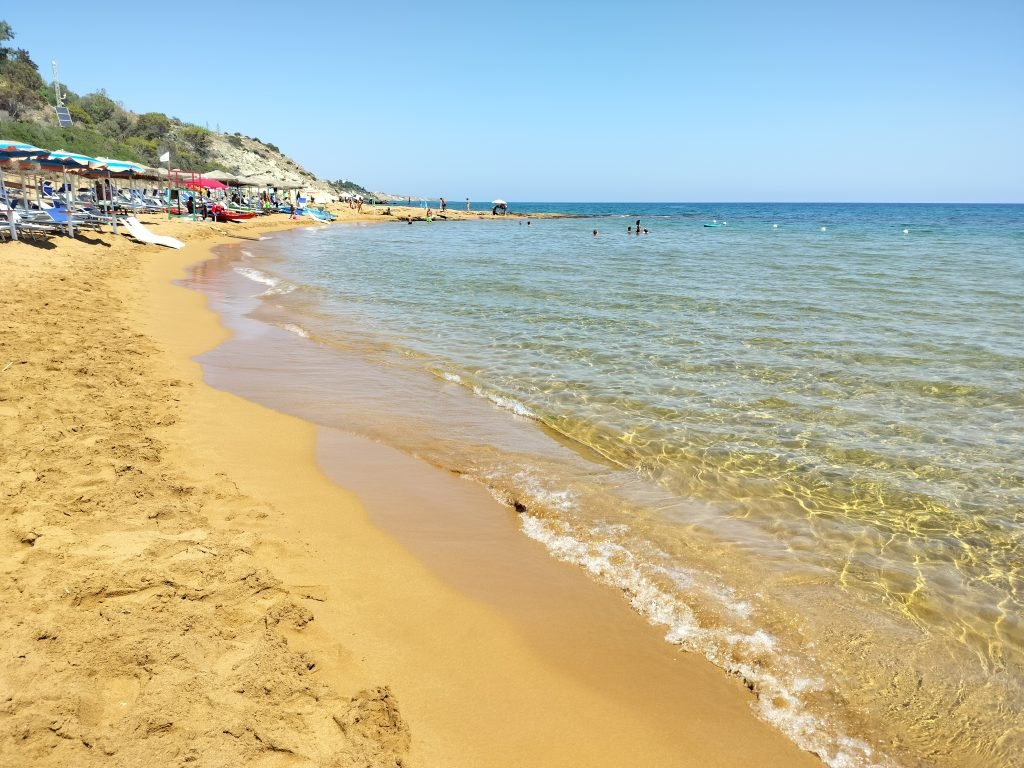
A very nice beach near the Castle is Seleno, which has a rather long tongue of sand and several equipped lidos, however the beach I personally appreciate most in this zone is the red beach of Le Cannella, located a little further north. The beach is usually not too crowded, but not very free either. If you stop around here for something to eat, I highly recommend the “Vista” restaurant, which also gives the opportunity to enjoy your meal with the backdrop of a beautiful view.
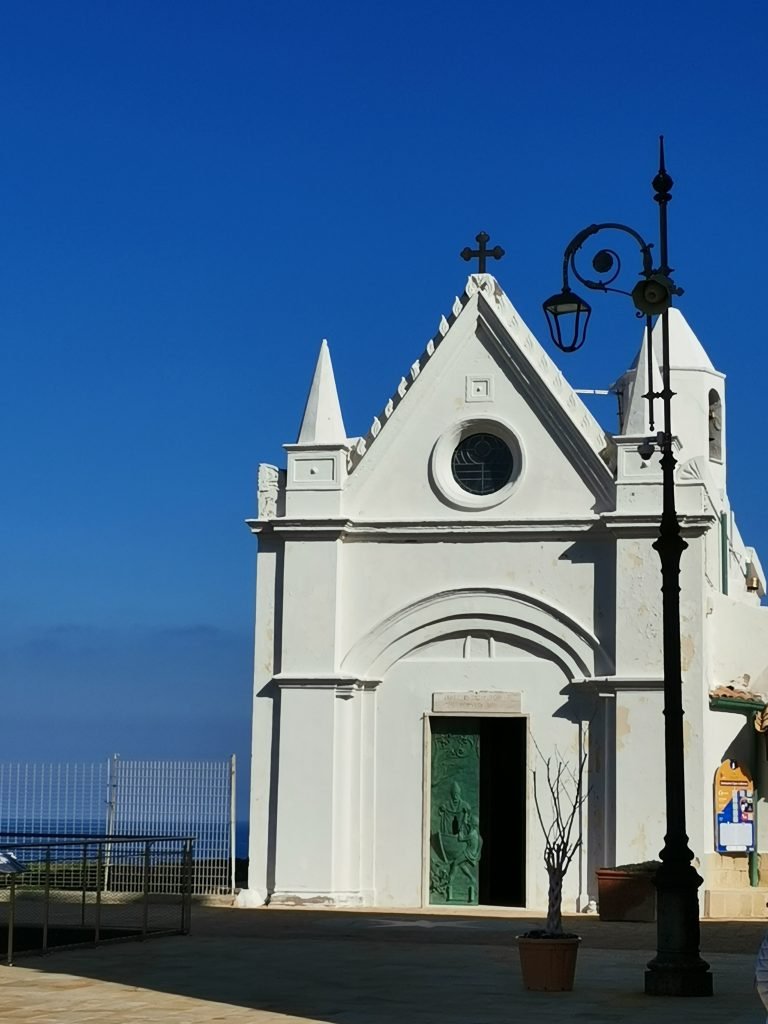
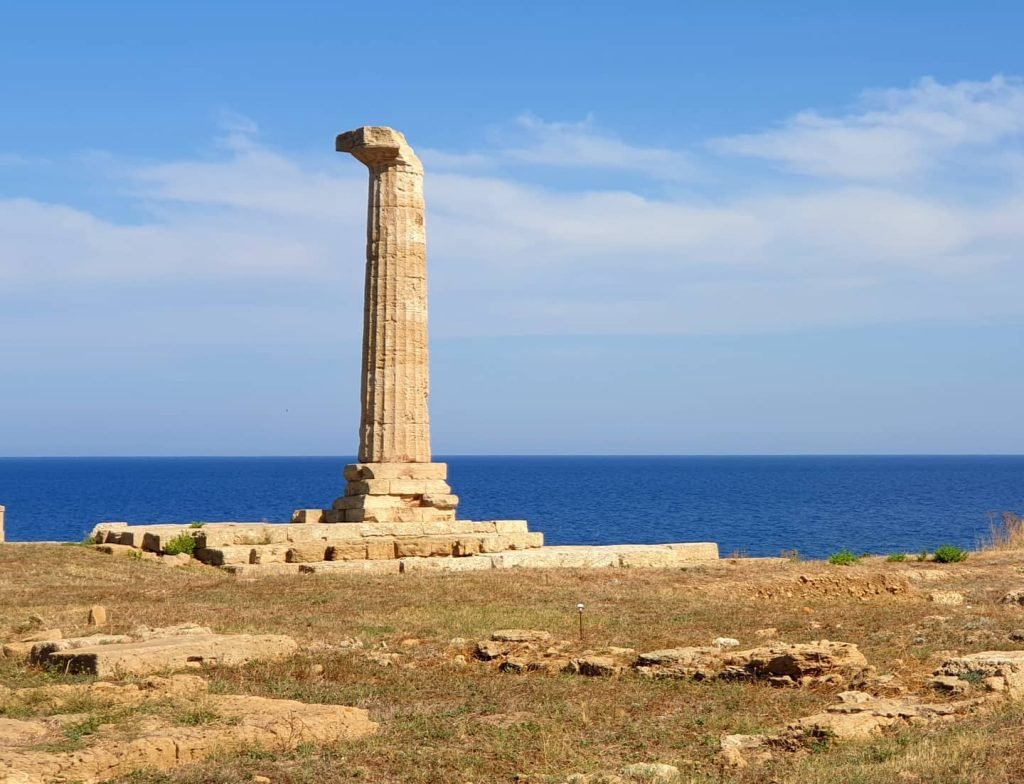
Going up the coast, we finally arrive at the archaeological area of Capo Colonna, included among the national monuments. Capo Colonna was once the site of the Doric Sanctuary dedicated to the goddess Hera, of which only a few fragments remain. For the evening, I would seriously consider continuing a few more kilometers north toward Crotone, to be more comfortable for the next day.
Day 10: Sila National Park
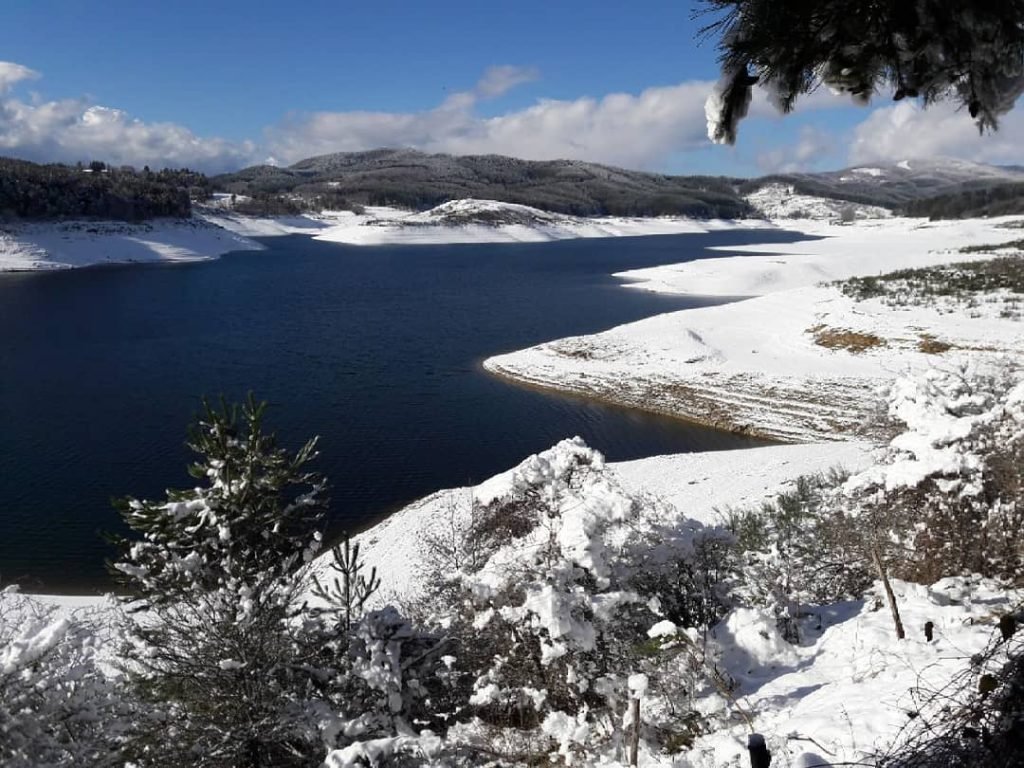
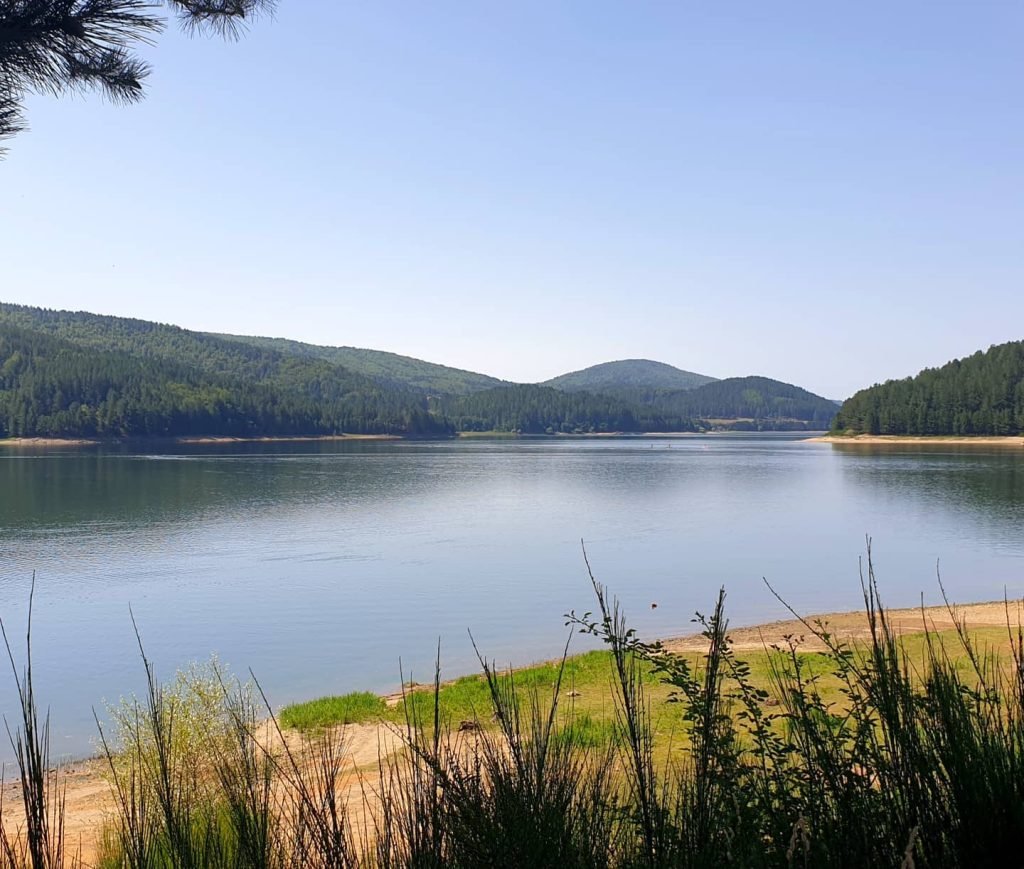
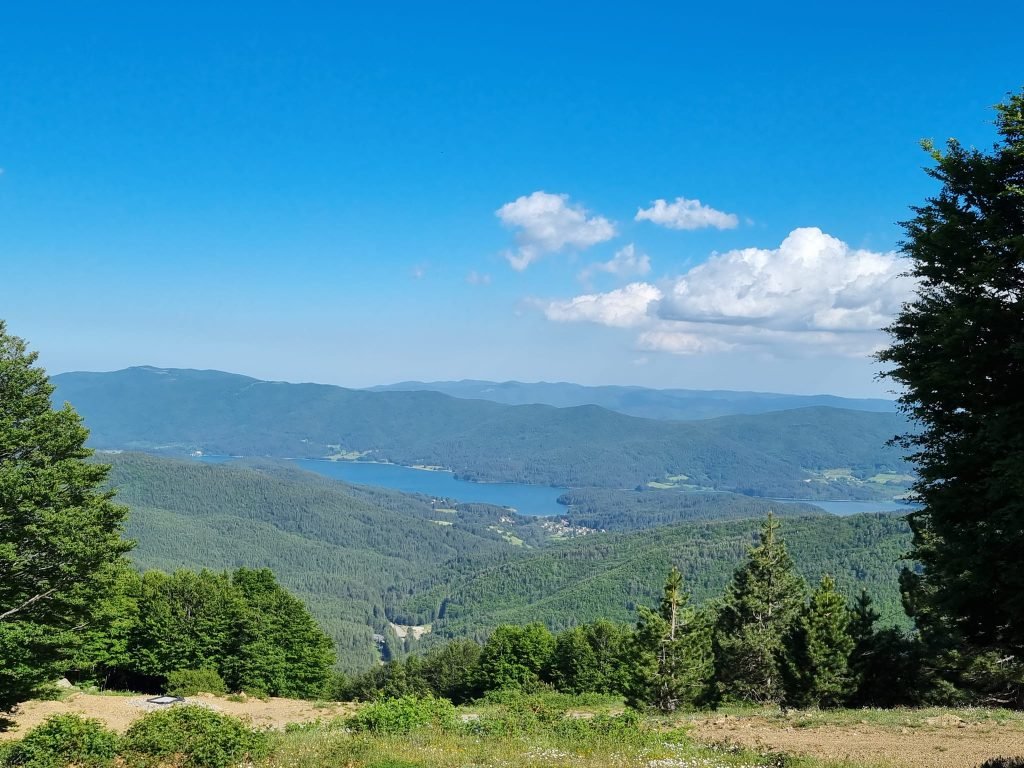
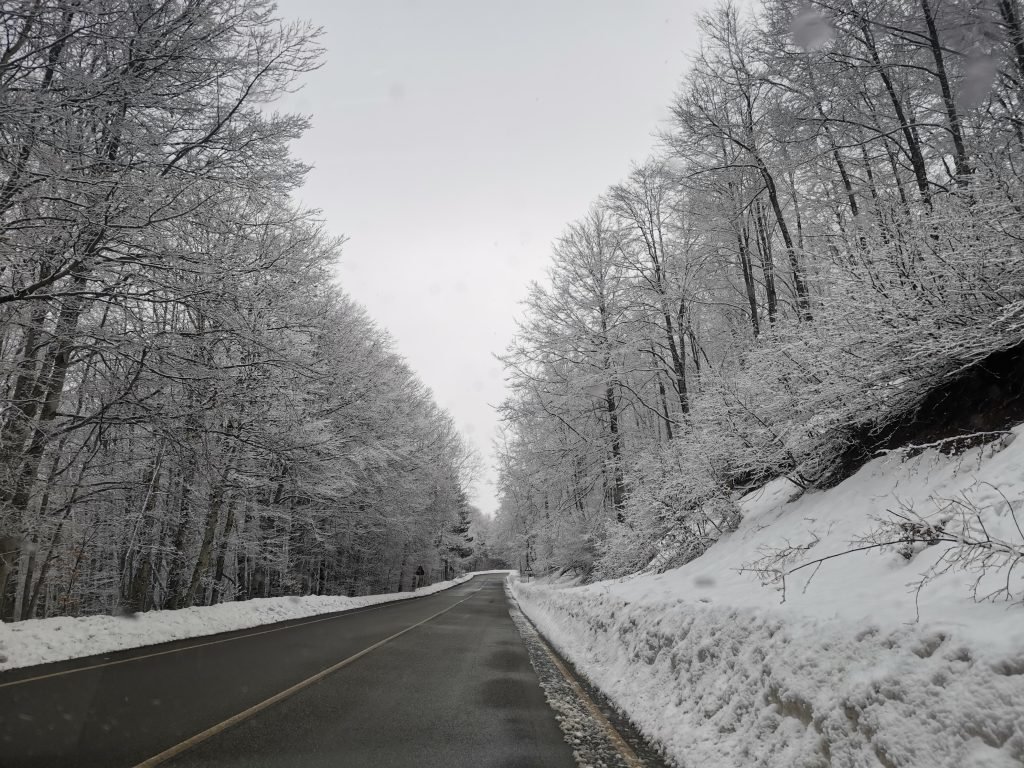
Heading inland from Crotone in the direction of Cosenza, one arrives at the Sila highland. My favorite stretch in this area and worth a visit goes from Lake Arvo in Lorica to Monte Botte Donato, the highest point on the highland, passing through the Giants of Sila. Also very interesting are the National Park, where a few wolves are still present, and Lake Cecita located nearby. There are several trails in this area as well; find a rather detailed list here. For an overnight stay, I would choose Lorica or preferably Camigliatello, as it is a bit more alive, as well as on the way to the stage I recommend for the next day. Among the typical local products, it is worth mentioning the potato, for which Sila is a rather renowned location. And speaking of food, if you are in the mood for a good sandwich, go to “Barrese” in Moccone locality, or to “Campanaro” in Camigliatello. On the other hand, if you want to eat meat properly, I recommend “Zio Silvio” Steak house.
Day 11: Pollino National Park, Morano, Raganello Gorges
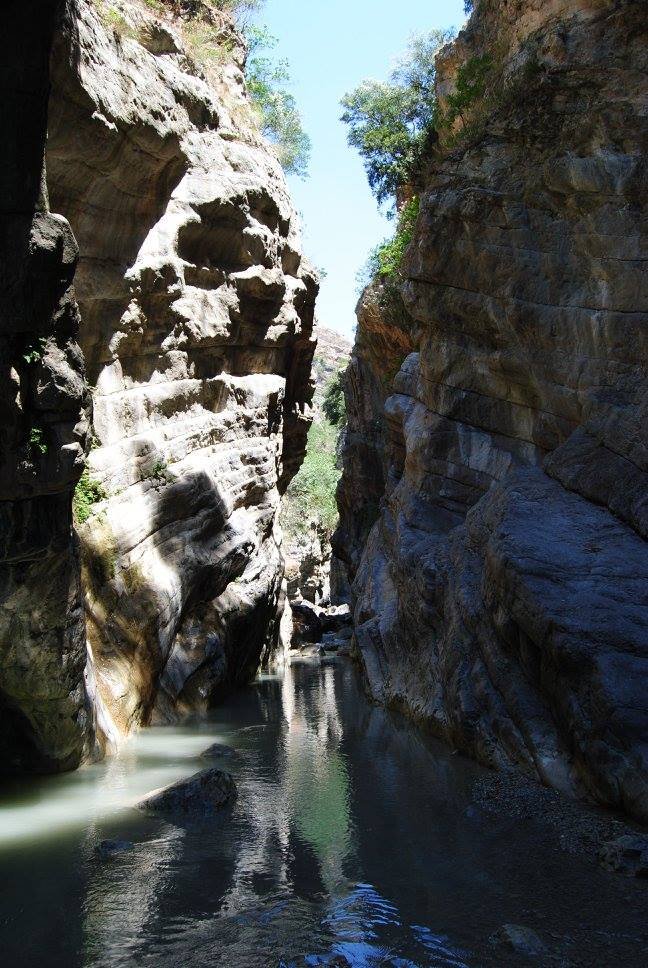
Returning from Sila toward Cosenza and taking the highway north from there, one arrives in a couple of hours at the Pollino National Park. The place in this section of the Apennines I am most fond of is the Raganello Gorges, which can be reached from a village that has maintained the ancient Arberesh traditions called Civita, where there are also some excellent typical restaurants. Among others, I definitely recommend “L’ Agora” and “Kamastra,” which do typical cuisine.
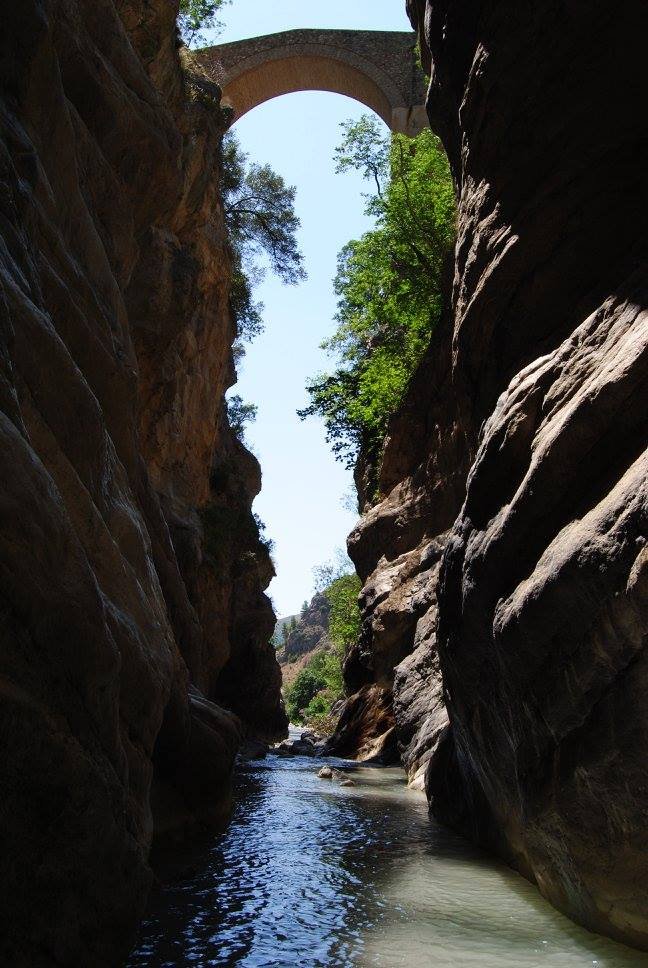
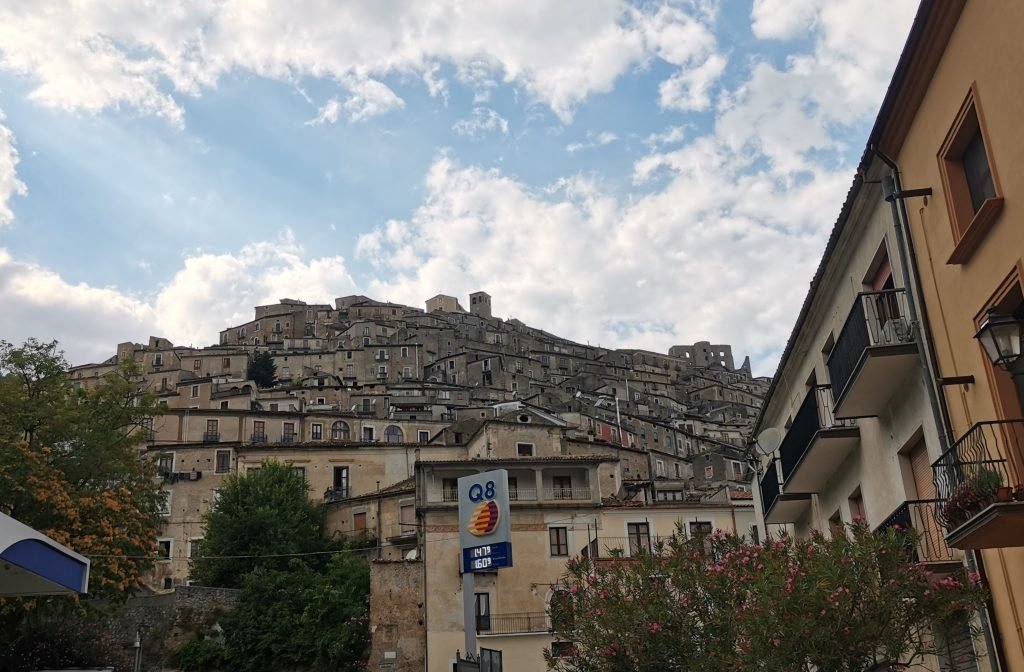
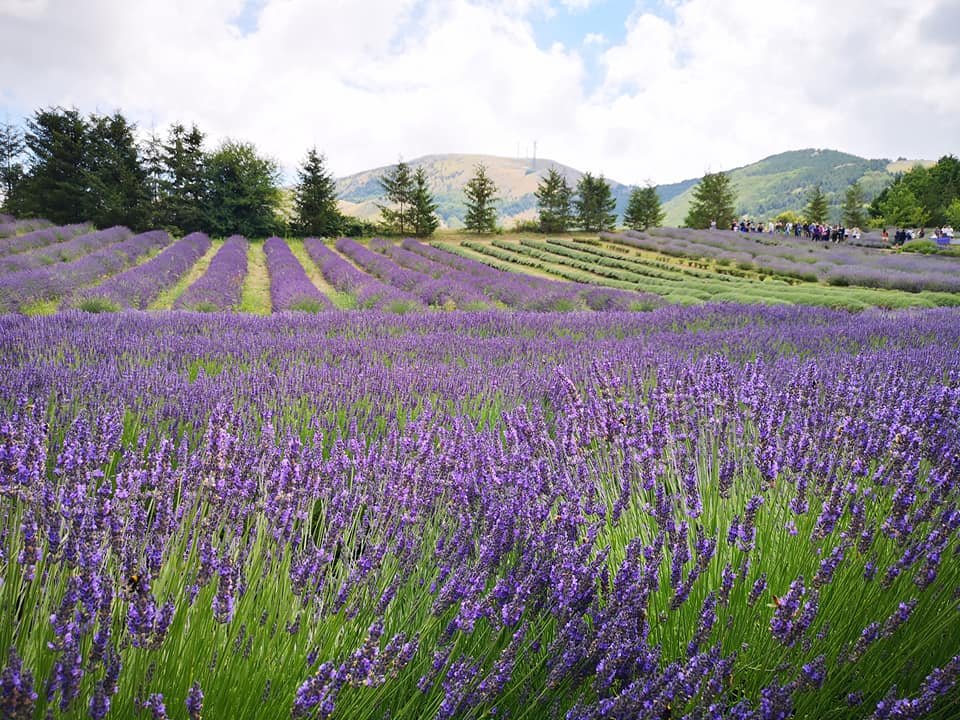
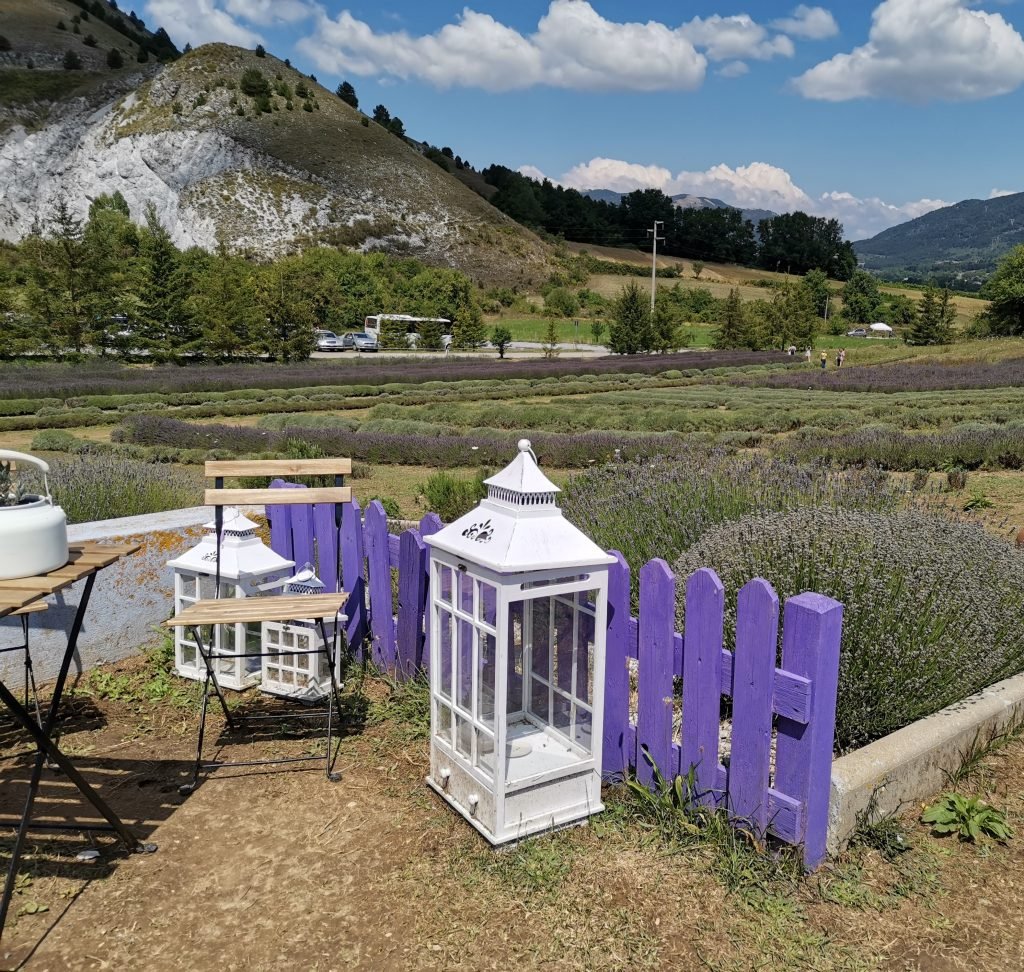
Here is a link listing the various treks in the park. Among them, worth mentioning is the one that starts from Piani di Novacco and goes all the way to the small village of Morano Calabro, in my opinion among the most beautiful villages in the region, which houses the ruins of a Norman castle on its summit. It is also possible to reach Morano from Civita conveniently via the highway. Morano is also home to the beautiful Lavender Park, which of course should be visited in the appropriate seasons, such as Summer.
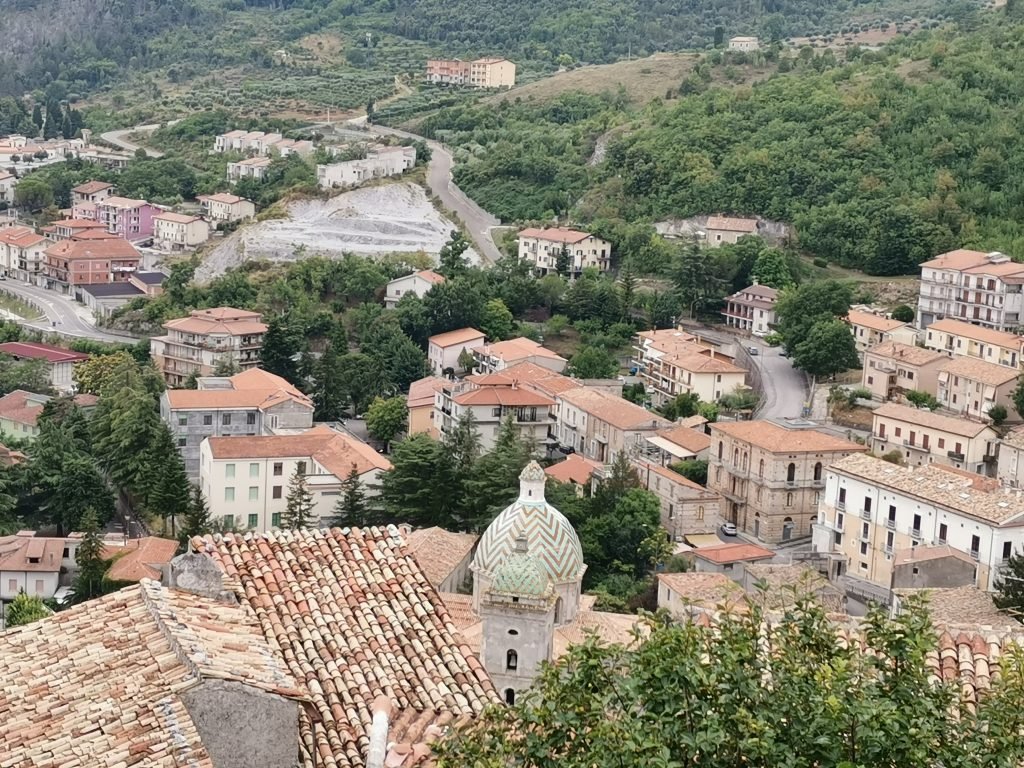
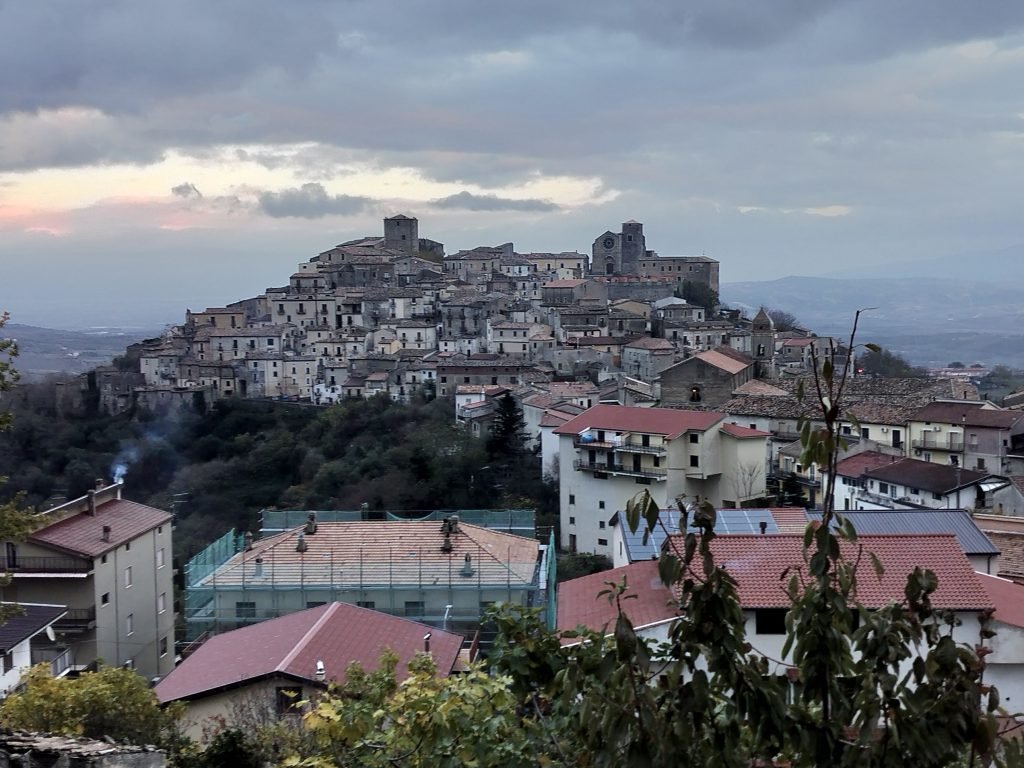
Before arriving in Civita, coming from the south, the village of Altomonte is also worth a visit. If you are really hungry, you can stop and eat more than something at Hotel Barbieri, you will not regret it!
Day 12: Cosenza Ionica
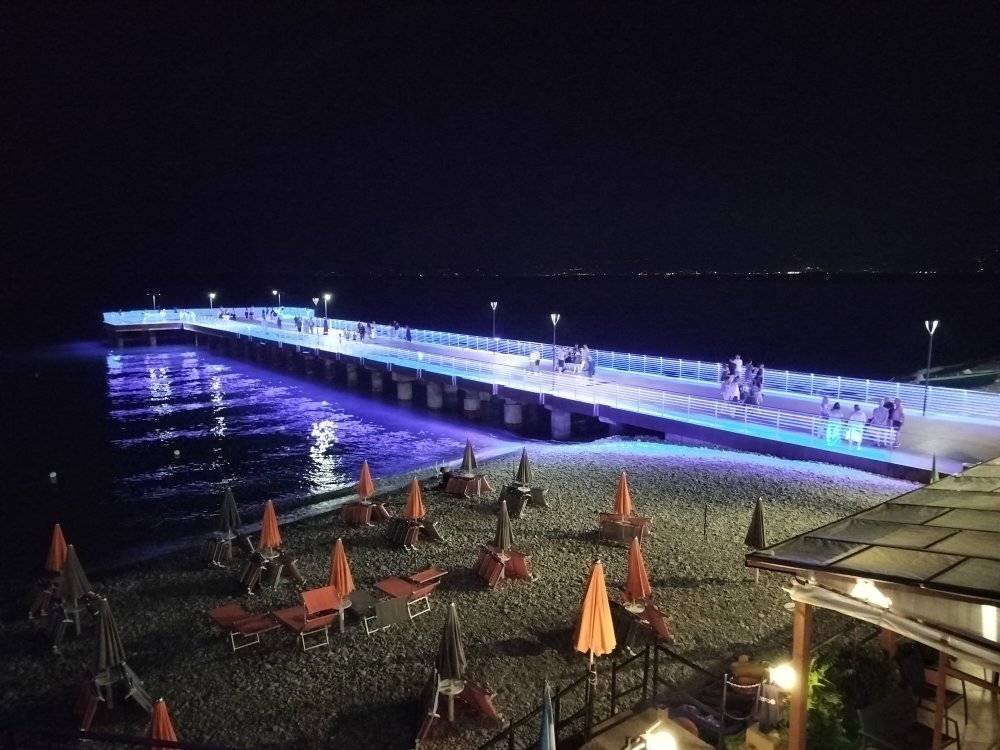
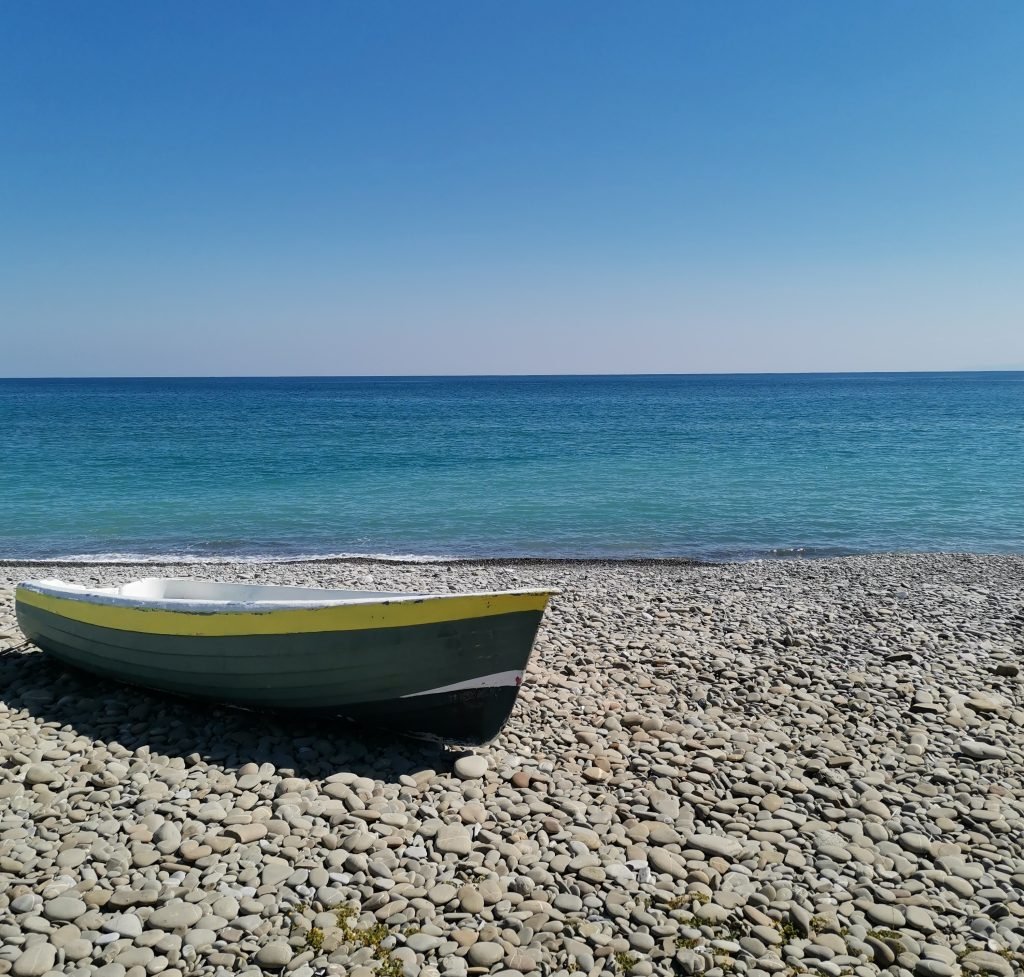
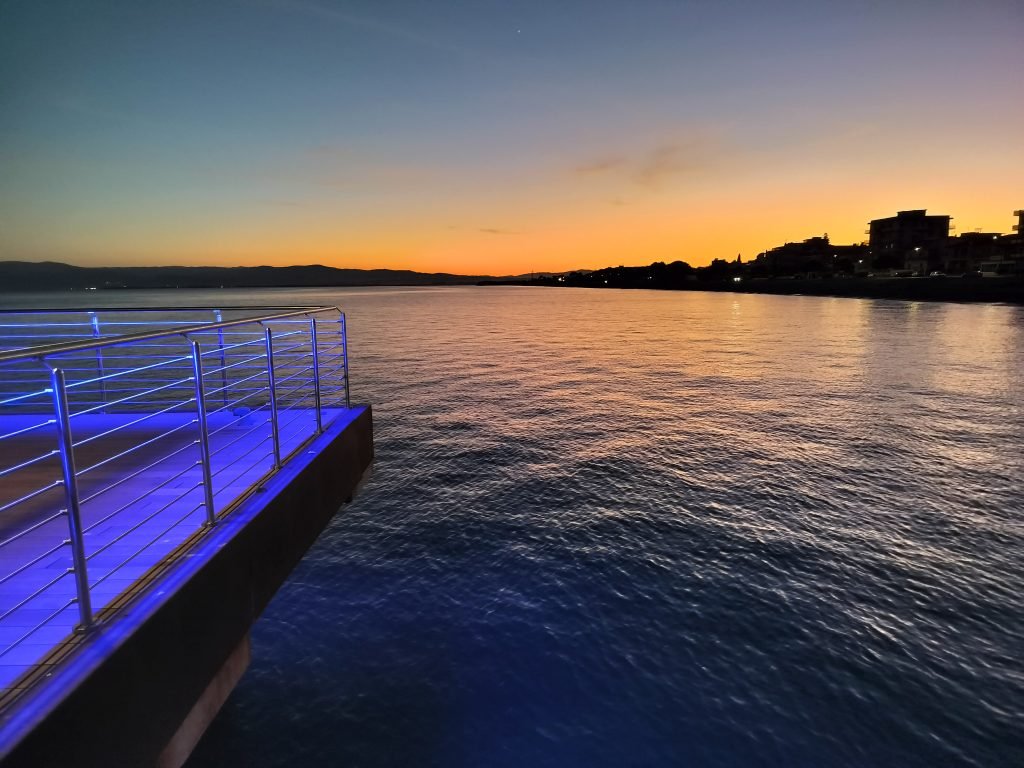
Following the highway from Morano for a few kilometers in a southerly direction, or arriving from the coast, one reaches the Ionian coast of the province of Cosenza, passing through Sibari. The seaside places in this area have a rather clean sea, several among them are in fact usually included in the list of Italian blue flag beaches. Among these, I am obliged to mention Trebisacce, my wife’s place of origin, if I want to avoid divorce (I therefore declare my obvious conflict of interests). The waterfront is nice, especially since the lighting on the only pier on the beach has been improved, and restaurants generally cook fish dishes quite well. Among the better-known restaurants, I mention “Trattoria del Sole,” a winner a few years ago in a TV show that I have never seen but many people know about, and the masseria “Torre di Albidona.”
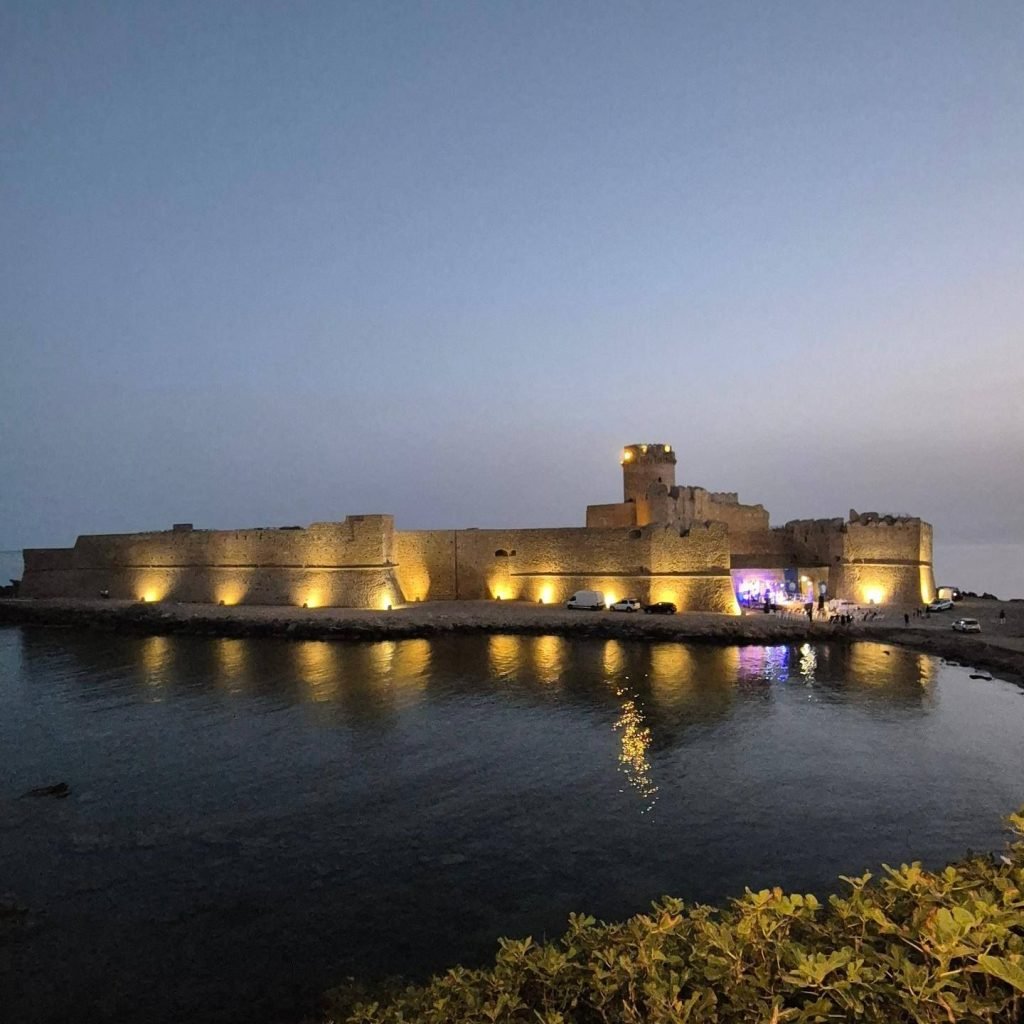
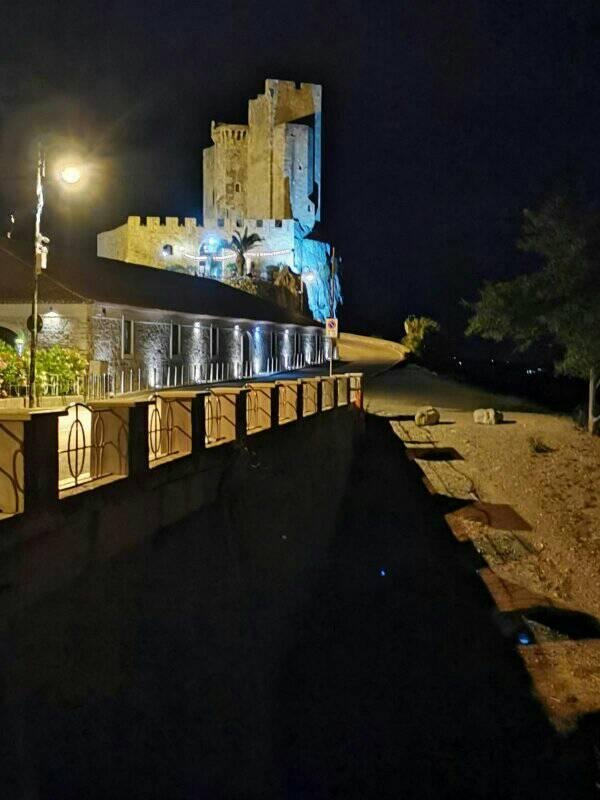
The last place I mention, located a few kilometers north of Trebisacce, is Roseto Capo Spulico, where, among other things, there is the famous Federiciano Castle, located at the beginning (or the end, depending on where you arrive) of the waterfront. It is also worth seeing it illuminated at night.
At this point, one could consider himself satisfied and head back toward Basilicata, again assuming one had started the itinerary from there. On the way, I just point out Rocca Imperiale, a small village one encounters continuing along the coast.
Conclusions
The itinerary proposed in the preceding paragraphs should give a sufficiently accurate idea of what is worth a visit in Calabria. Since the attractions listed from time to time are predominantly natural, I clearly suggest it for the Summer months, although I would avoid August because of the massive presence of people and the very high prices, as is the case just about everywhere else. In other months, the costs for the proposed itinerary should be below the national average.
If I should choose the best three special attractions to visit if you have little time, I would say:
- Beaches in the province of Vibo Valentia
- Le Castella
- Arcomagno Beach
In general, in Calabria it is very important to know well where to go; unfortunately, it often happens that beautiful places are not maintained with proper respect, which discourages many travelers. Therefore, I hope this article will be useful to you in case you are undecided about visiting this region, in the meantime at least it reminded myself that, as Tolkien used to say, deep roots do not freeze.